
In recent years, books centered around the axis of resistance, the concept of martianism, and influential political figures have attracted a lot of attention.
These publications provide deep insight into historical events, personal accounts, and ideological perspectives that shape the region.
One such work is at the height of Aleppo, written by Zahra Ghorbani and Qasem Ghasemi, and speaks of the heroic resistance of Iranian military forces to ISIL.

The book presents the personal experiences of fakes as military advisers deployed in Syria in 2016, detailing the fierce battle in South Aleppo, where Iranian commanders bravely stand up against extremist forces.
Readers are taken on a journey from a fake development to a return to Iran, interwoven with stories of fallen comrades and important military operations.
Another work, Hanging Gardens, offers a unique perspective on the four-year siege endured by seven Syrian women from the cities of Nubl and Zahraa.
The book presents a direct account of the survival, resilience and miserable experiences of those trapped in conflict.
Though painful and harsh, these stories highlight the strength of human endurance and gratitude for moments in life.

In “Eli: Travelogues of the Levant and the Occupying Territories,” Faze Gaffar Hadadi sheds light on the suffering that local people face and explores the reality of occupied Palestinian lands.
Published by Shahid Kazemi Publications, this book combines historical exploration with vivid travel accounts and provides a powerful reflection on human rights and justice.

Coming closer to the end, a comprehensive work compiled by the Hadith Loh-O-Qalam Cultural Institute, we explore ideological conflicts, particularly with regard to Zionism.
Published in 2013 under the title of the Illusion of Domination, this revised edition explored leaders of the Islamic Revolution, with Ayatollah promoting Ali Khamenei’s perspective on global agendas for decades and assessing political strategies and resistance.

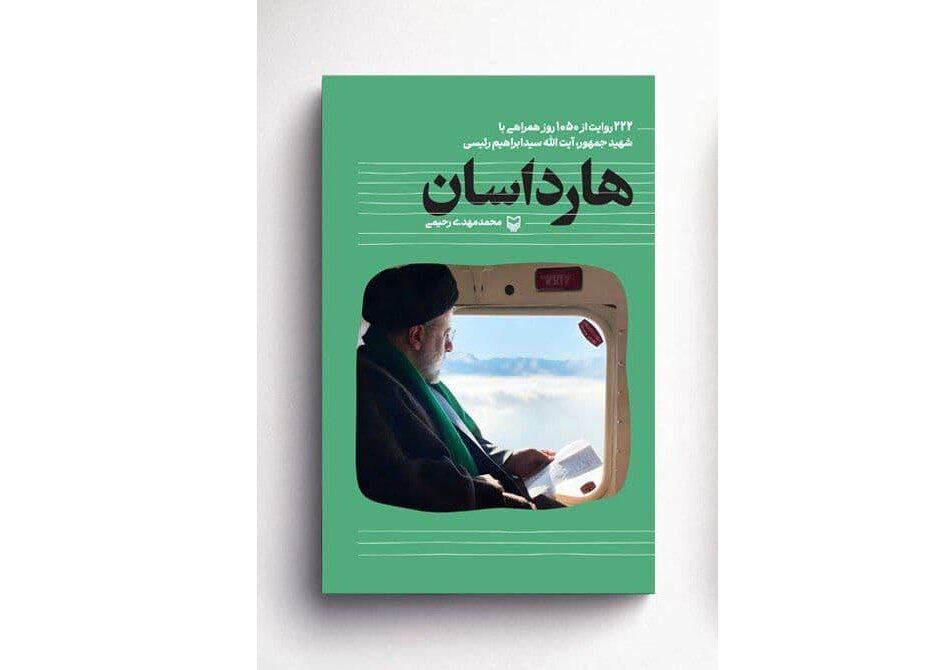
In addition to this growing collection of literature, the newly released Hardasan (“Where are you?”) records the 1,050-day in-person accounts working with the late President Ebrahim Reisi. Written by Mohammad Mehdi Rahimi, the book offers 222 detailed stories from his tenure as the presidential office’s public relations director.
The title of Hardass, meaning “Where are you?”, became a symbol of the group’s mourning following Reishi’s tragic helicopter accident. The book reflects both the geographical significance of his final journey and the emotional weight of his passing.
Through invisible photography and exclusive insights, Hardasan offers a close glimpse into Reisi’s leadership style, concerns, and interactions with international and domestic officials.
Presented at the 36th Tehran International Book Fair, Hardass was praised by government officials and scholars for his contributions to modern Iranian history. Published by Sureh Mehr Publishing House, the book serves as a lasting document of Raeisi’s leadership, aiming to educate future generations, researchers, and those interested in Iran’s political landscape.
These books collectively serve as important resources for those seeking detailed accounts of resistance, martialism, war literature and political leadership, capturing the essence of perseverance and sacrifice while providing a valuable historical perspective.
The latest edition of TIBF began on Wednesday (May 7, 2025) with Iranian chairman Mohammad Bagheharibahu attending.
With the motto “Let’s read for Iran,” the 36th TIBF is currently underway in the capital, Imam Khomeini Mosala until May 17th.
Iraq enjoys the honorary status of guest at 36th TIBF, meaning important cultural exchanges between the two countries in line with Iran’s cultural diplomacy.
Reported by Tohid Mahmoudpour