
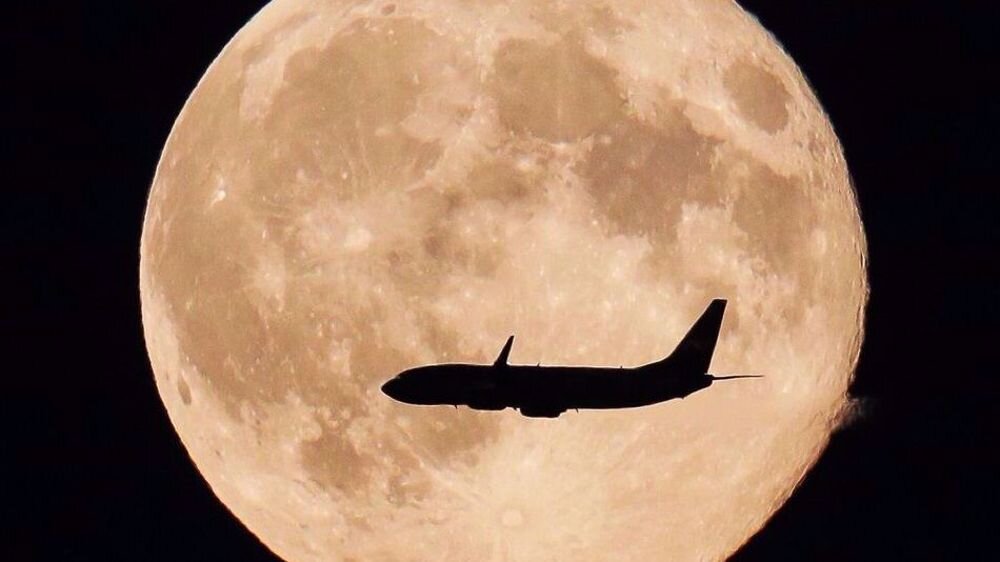
The Iranian Ministry of Roads and Urban Development spokesman or short-term Majid Ahavan Transport Ministry said on Wednesday that the decision to close airspace was made by the Coordination Committee of Iran’s Civil Aviation Authority, taking into account security and safety issues.
“…The central and western airspace of the country has once again been closed to international turbulence, but the eastern half of the country’s airspace is open to domestic, international and transit flights,” Akhavan said.
He added that Iran’s south, north and west airports, including Merabad and Imam Khomeini airports in the capital Tehran, remained closed, with cancellations of local and international flights in the region being extended until 2:00pm local time.
Iranian authorities opened the skies in Central and Western Iran on Saturday due to international turbulence on Saturday, four days after the war with the Israeli regime ended as part of a ceasefire.
Iran’s airspace partially opened on June 25, the day after the ceasefire was announced.
This allowed Iran to return tens of thousands of pilgrims remaining in Saudi Arabia after it finished performing the Hajj ritual in early June.
There was speculation that the Israeli regime could violate the ceasefire and launch an updated attack on the country, but it was not clear why authorities decided on Wednesday to close Iran’s central and western airspace.
The Israeli attack on Iran, which began on June 13, targeted various regions of the Israeli occupation area with missiles and drones, and caused major disruption to international aviation services throughout the West Asia region, prompting a fierce response from Iranian forces.
Iran warns that the response to the new attack is much more difficult than the attacks seen last month.
MNA