
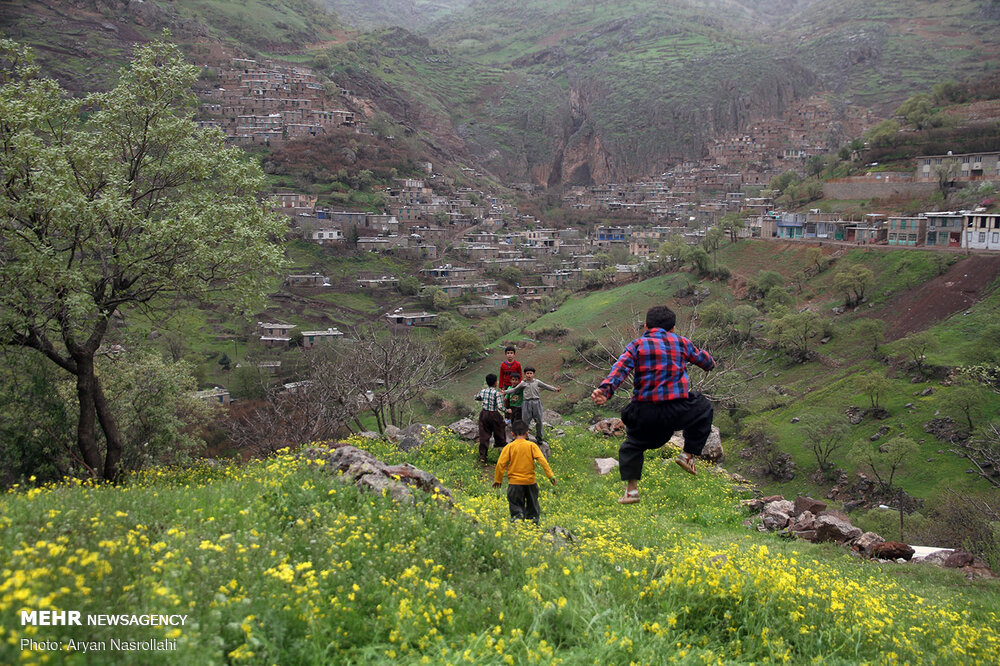
One of the most surprising and untouched parts of Iran is the province of Kordestan. This mountainous region is located in the western part of the country and has a very enjoyable climate and unique natural scenery.
Its unique countryside stepped texture, architecture, lifestyle and agriculture is a historic region in Iran’s Kordestan province.
The main part of Hawaman is in Kamiyaran city in Sanandazi, Maliban, Salbabad and Kordestan, while another part is in Halabja, Kurdistan, Iraqi.
The history of this spectacular region dates back thousands of years. Archaeologists have discovered several stone tools in a cave near the village. It was made by Neanderthals and early modern people over 40,000 years ago.
Also, recently a UNESCO group traveled to the Hawaman area to investigate the possibility of listing beautiful historic areas as World Heritage sites.
Uraman Takuto Village:
Uraman, Flemman, or Hawamantak, along with the mountainous regions of Kordestan, are known as the Halaman region or Uramanat in Persia.
It is a mountain village similar to the hierarchical Mazuure village of Gilan, but it is much larger. For this reason, it is called “1,000 Masoulehs.”
The rural villages of Uramanat enjoy the most well-known features unparalleled in terms of architecture, lifestyle and agricultural methodology that are naturally integrated by incorporating steep agriculture.
The village’s name also certifies the long history of Uraman. The word hawaman is a compound noun: “Hola” means aphra and “human.” It means a place, house, or land, and Hawaman means the land of Ahuramazda or the Kurdish place of Ahuramazda.
According to people’s beliefs, Uraman was once a metropolitan city and was very important in the past, so it was known as the takto (meaning throne) or the centre of government.

Unique architecture:
At an altitude of 1,450 meters above sea level, the village enjoys mild spring and summer weather, as well as cold autumn and winter.
Hawaman is a vast and mountainous region of Zagros, including the entire southern Kordestan province and the village of Uraman Takto.
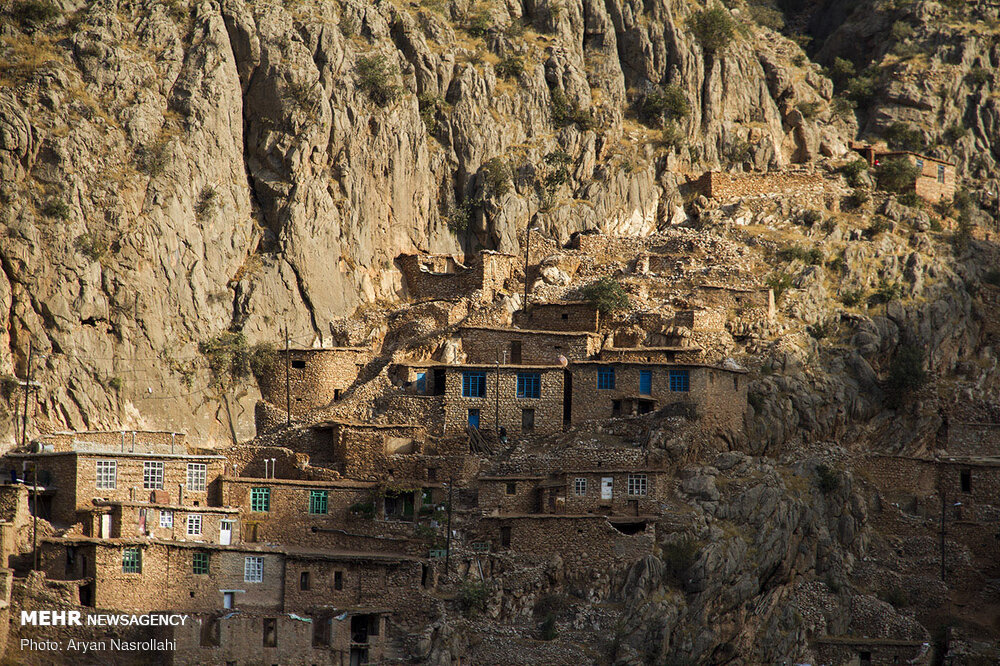
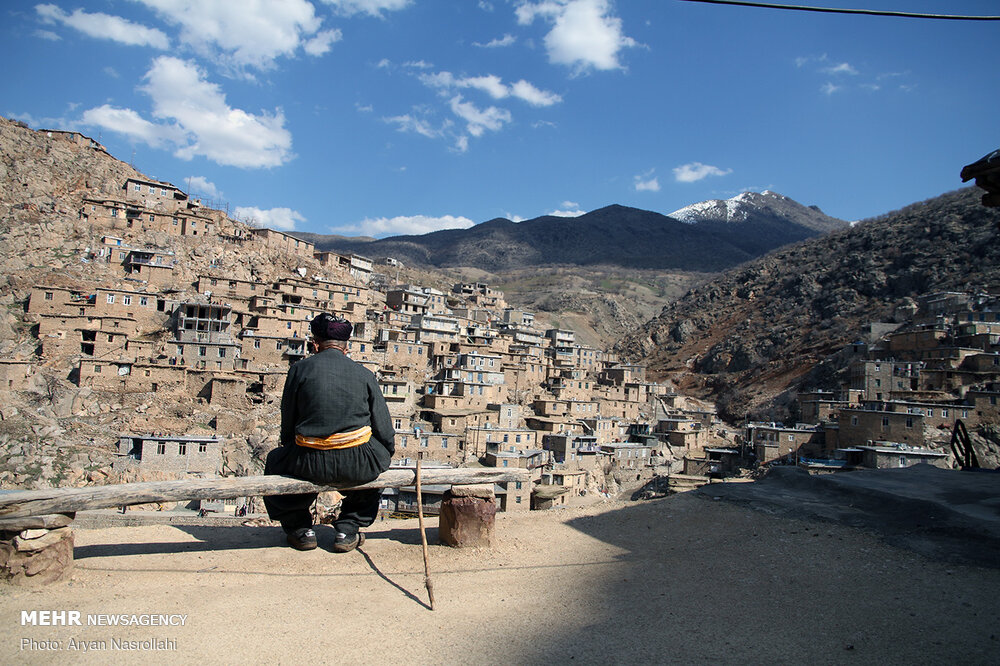
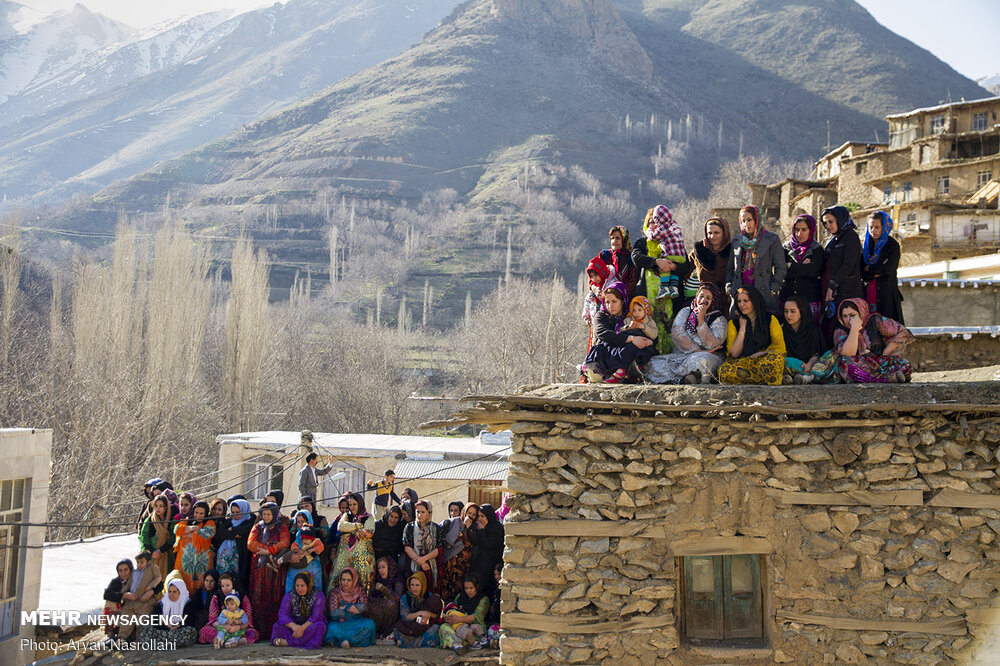
Locals living in the area are surprised and amazed at how well they were able to craft their homes in the form of many long, wide staircases at the foot of the mountain. These buildings are built to be patios (balconies) of the house, with the roof of the house built several meters above the roof.
The roof of each house forms the garden of the house above, and the walls are made without using mortar. The materials most frequently used in building construction are stone and wood, and the wood is usually from walnuts or airplane trees.
Language and Culture:
The culture in this region is very rich and amazing. The village residents are Sunni Muslims and speak in the Kurdish language Urami or hawrami dialect.
The dialect is considered to be one of the oldest dialects of Zaza Golani, a language of the northwestern part of Iran. A survey conducted in 1996 showed that there were 40,000 speakers in this language around the world.
Like people in other villages in Kordestan, the residents of Uraman dressed in local Kurdish clothing and dressed in bright, attractive colors and patterns.
Traditional clothing for women includes vests or long sleeve jackets, or long overcoats worn over gowns.
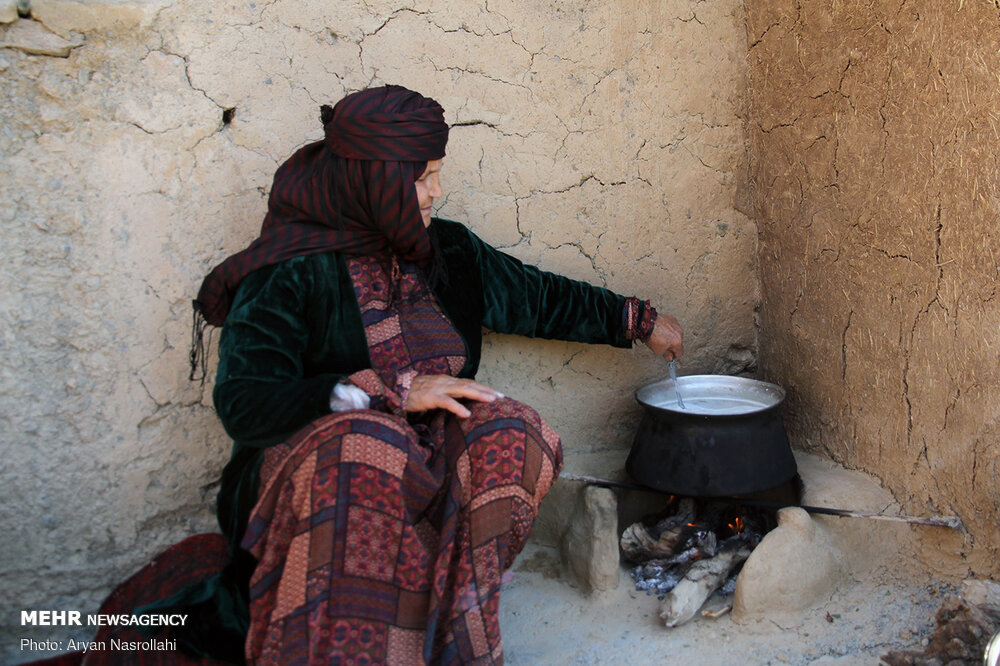
A dress and puffy pants are worn under the gown. Traditionally, women wore Kurdish hats decorated with precious coloured stones, beads and gold fragments.
Usually, young women and young girls wear brightly colored dresses decorated with many beads and sequins, while older women wear dark colours and white heads.
になったんです。 English: The first thing you can do is to find the best one to do.

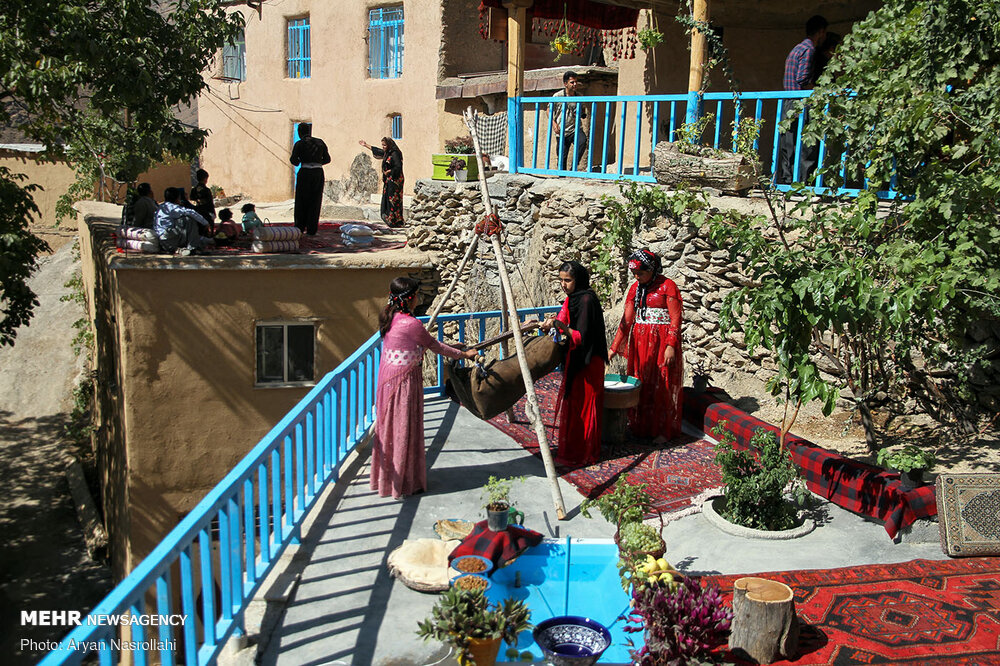

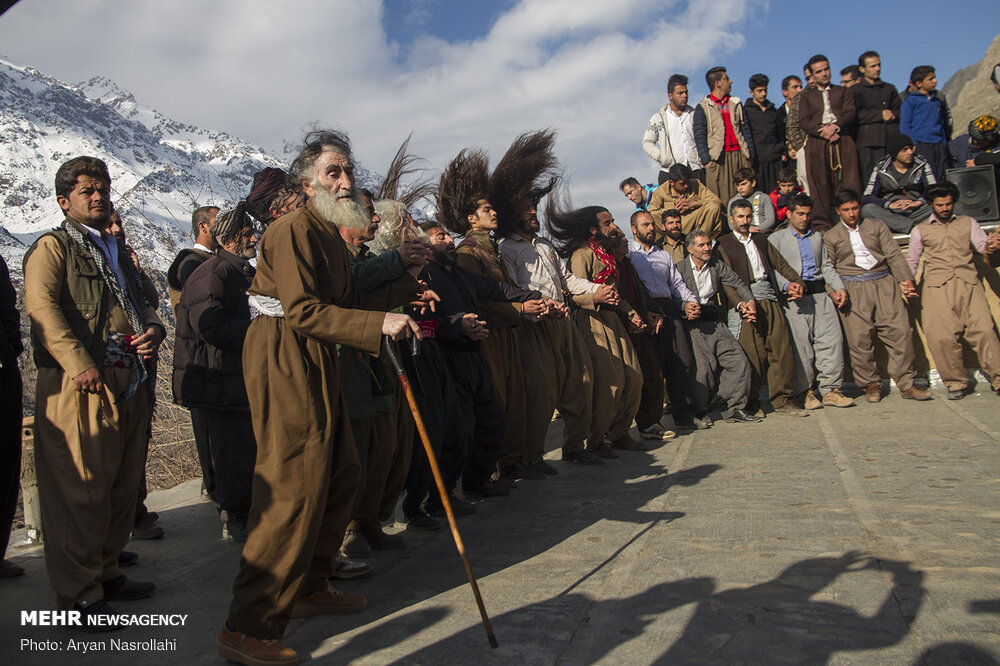
Haurami men generally wear shirts. A vest with a neck open. Baggy pants worn on the ankles. The 3-4 m long cotton sash folds in half vertically and wraps tightly around the waist torso.
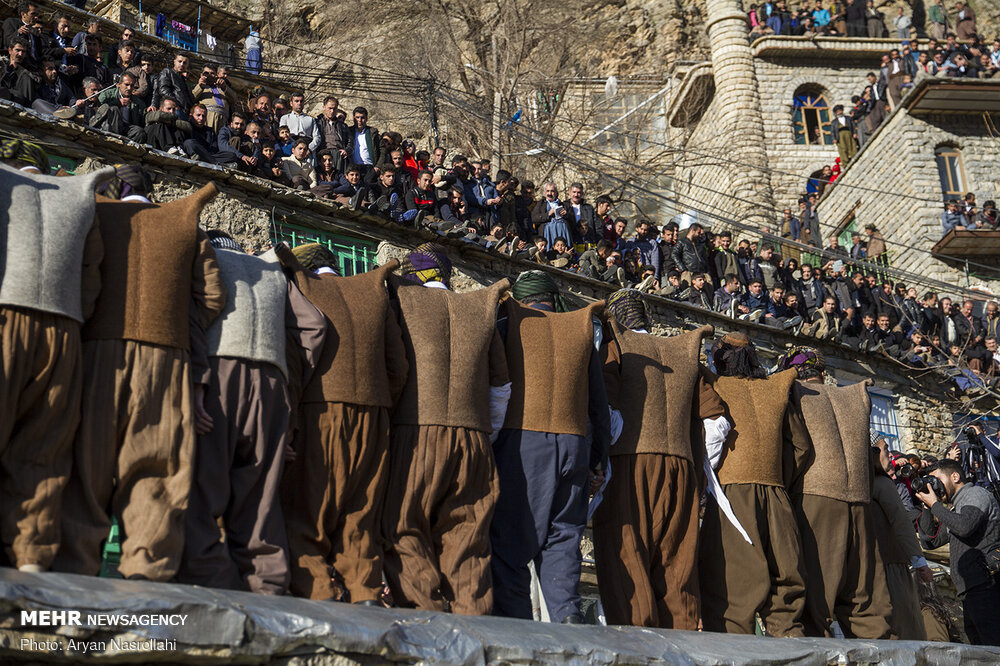
The men also wore a traditional brown felt jacket with tip shoulders called corabar.

Folk music and folk dance, known as Halparke, are extremely popular among locals, and Uraman is the centre of traditional Kurdish music and folk music.
A special style called Siah Cheshmane, meaning Siah Cheshmane – the dark eyes exist among locals, played without instruments and commonly used for storytelling and entertainment.
Among the traditional arts and handicrafts of people are felt of various kinds, cotton shoes, wool rugs (called jazzim), wooden cutlery, windows and doors.

Most of the inhabitants of Uraman Takht are livestock farmers, gardeners or breeders. Some of them work in the field of handicrafts.
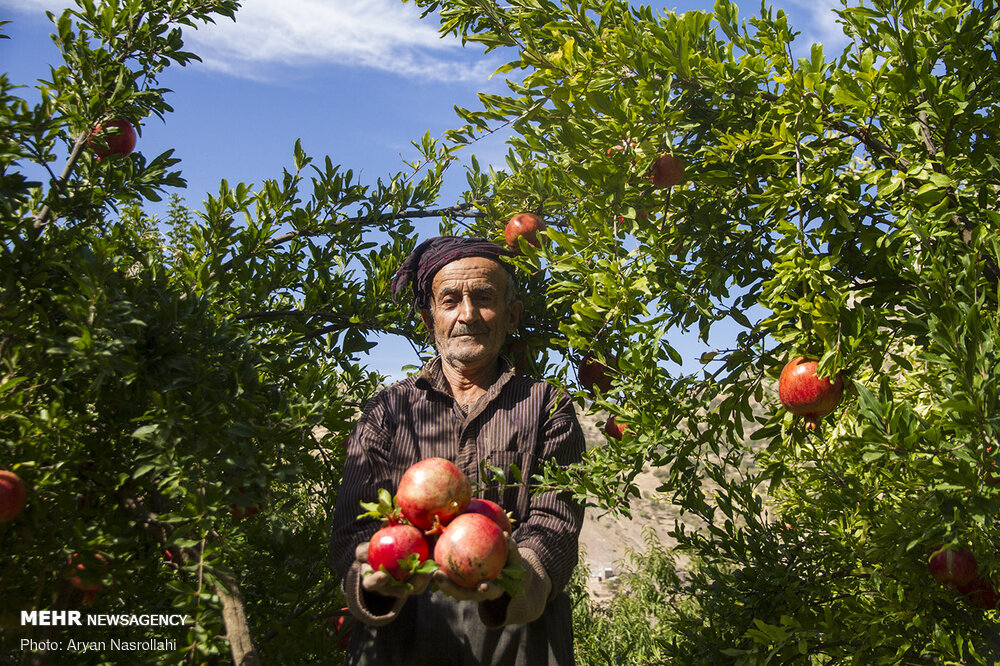
Traditional ceremony at Pir Shalyar
Thanks to its heritage, architecture and the preservation of a unique traditional religious ceremony, namely “Pir Shalyar”, Uraman Takht village is known as one of Iran’s most impressive villages.
The Kurds enthusiastically celebrate the wedding of Pir e Shariyal in order to express their utmost gratitude to Jamasbu’s son. It is considered one of the greatest celebrations in Cordestan, marked 950 years ago to this day.
According to the story, Pir Shalyar had the quality of magical healing and the power of Mojo to live in land where livestock and crops were in the land at times of trouble. He is associated with the pre-Islamic Zoroastrian period.
Legend says that Pil Shalyar magically cured the beloved daughter of the King of Bukhara, “Shah Bahar Kathon,” and was rewarded by marrying a girl.
Participants from nearby villages and areas usually pass through the snow, with celebrations and prayers to God continuing for several days.
The ceremony includes sacrifices of cows, playing “DAFs”, massive dances of all kinds of Kurdish people, and reading vigils and poetry and prayer, served to Chesin (a kind of local soup). Celebrations will be held in three stages, each one day for three consecutive weeks.
On the morning of the first day, cow breeders who decide to sacrifice the cows at the celebration take the cows to the garden of Piru Shariyal.
After massacresting cows, they distribute pieces of meat among the people, and use some of them to prepare food for the east feast. It’s the same way it was done 950 years ago.
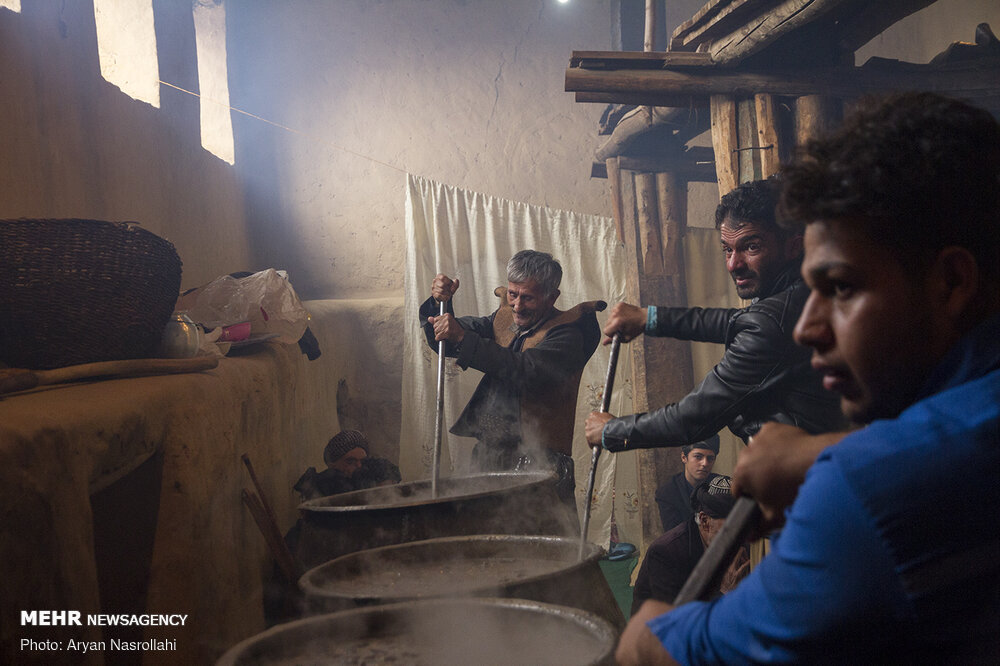
The wedding anniversary of Pir Shalyar is an ancient ritual that promotes brotherly love, unity and cooperation to resolve the problems of residents.
For a long time, the ceremony has undergone minor changes, but its mythological roots and symbols survive to this day.

Reported and edited by Marzieh Rahmani