
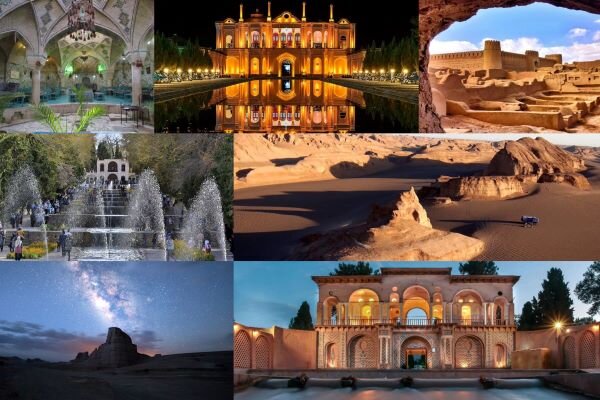
Located southeastern Iran, Karman province is surrounded by Faz province in the west, Yazd to the north, South Holasan to the north, Sistan and Balchestan to the east, and Hormozgan to the south. It includes the LUT Desert, the southern part of the desert of central Iran.
With an area of over 180,000 square kilometers, Karman province is one of Iran’s largest provinces. They enjoy a variety of climates, including warm, semi-dry, very dry, medium, and cold.
Here at Carman, residents fight against the glowing faces of the desert difficulties with the smiles of their patients. Each of the Carman monuments represents the historical dimension of people’s lives. This makes Karman a permanent museum of various periods in Iranian history.
Many different types of stone and ceramic works belonging to the 5th millennium BC have been excavated from the hills and plains of this land, representing the ancient times of civilization.
Carman has countless historic sites, gardens, scenic scenery such as Bazaar et Saltasari, Vaquilbath, Fass Abad Garden, Shazadeh Garden, Karuto of Rat Desert and Bam Citadel.
Things to Do in Carman:
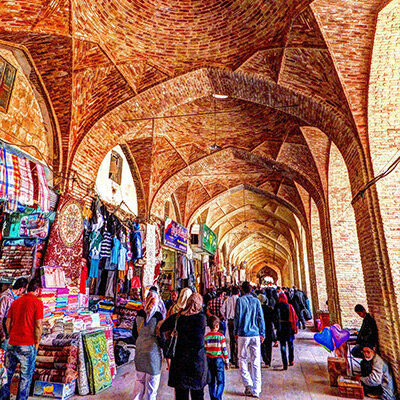
Bazaar et Saltasari
Karman’s magnificent “Saltasari” (“end-to-end”) bazaar is one of Iran’s oldest and most memorable trade centres (after UNESCO lists the bazaar in the Tabriz).
Inside there are several museums, baths and religious structures, but the overall liveliness is sufficient to inspire visitors for at least 1-2 hours, especially in the morning and late afternoon.
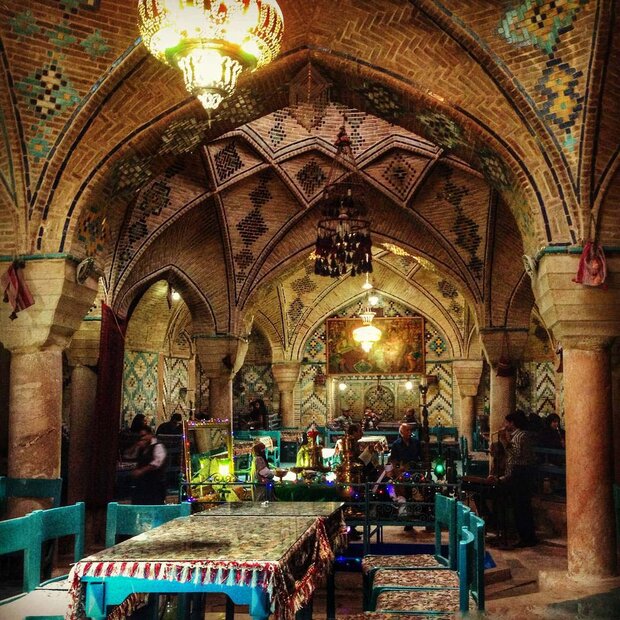
Vakil Bath House
Bathhouses were extremely important in ancient times, and that is why many of them were built downtown or in central locations.
Karman’s Vakil Bazaar is located in the middle of the Vakil Bazaar, built during the Kajal era, modeled after the Ganjari Khan Bazaar 170 years ago.
This bath is believed to have been constructed in the order of the Carman rulers during that time, according to an inscription inside the Carman Vakil bath.
Carman’s artistic architects used stunning tiles and ceramic pieces to adorn the place and surprise the next generation.
This historic bath is now a traditional tea shop and is open to tourists.
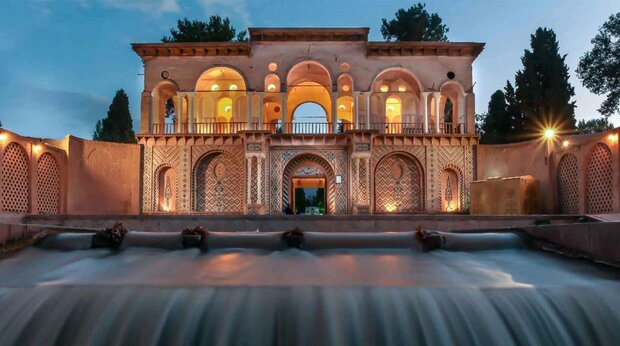
Shazzaday Garden
Shazde Garden (Prince Garden) is a green oasis located in the heart of the desert. Located near Mahan in the province of Karman, Shazde Garden is one of the historic Persian gardens with rectangular plans.
The first attempt to build Shazdeh’s garden dates back to the 13th century, at the orders of the Kahman and the rulers of the Sistan.
Like other great Persian gardens such as Eram Garden and Dowlatabad Garden, it is also engraved on the UNESCO World Heritage List.
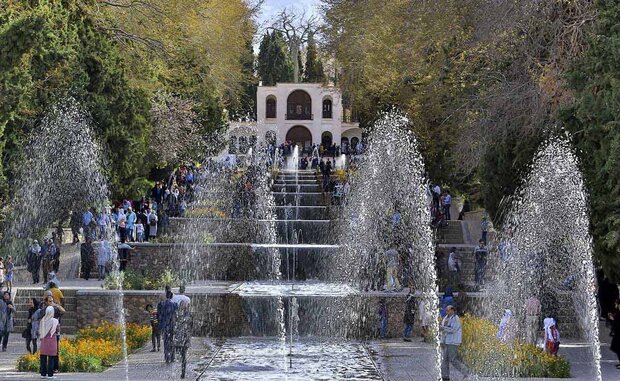
What’s very surprising about Shazdeh Garden is that it is located in a desert where nothing exists except for the arid plains. However, the garden entrance welcomes tourists to paradise on earth.
Take a step into Shazdeh Garden and see the pool streaming along with the garden. Trees provide shade to the paths, and flowers spread everywhere.
The facade of the old pavilion appears from behind the fountain, and the stairs lead visitors towards the pavilion.
The perfect plan of Shazde Garden, the architecture of the pavilion, its interior design and decoration all reflect the art, culture and lifestyle of the Iranians.
Fass Abbado Garden
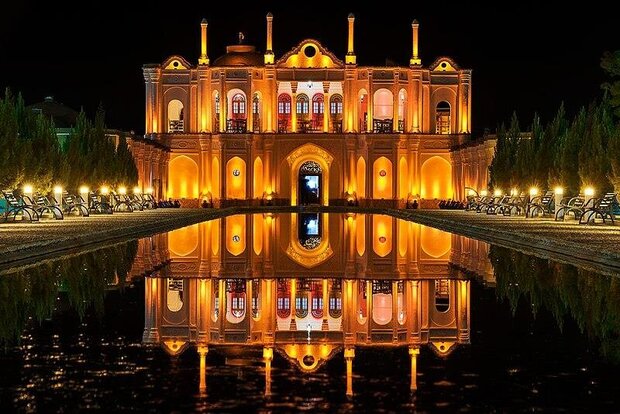
Surrounded by Pistachio Gardens, Carman’s Fass Abbado Garden is perfect for visiting around the sunset to appreciate its colour change and beautifully done night lighting.
Fath Abad Garden, also known as the Biglarbeigi Garden, is one of the vast and beautiful gardens on Iranian desert land in the Ektirabad district of Karman.
This is a recollection of the Kajal dynasty and is said to be a model for Mahan’s Shazadeh garden. Today, Fass Abbado Garden is hidden by the fame of this garden. Construction of Fass Abbad Garden began in 1803 during the reign of Mohammad Shahkajar, with the Order of Fazrari Khan Vigralbaige, ruler of the Karman in Ektirabad village.
The garden is built on land about 13 hectares in size.
It was only after the Iranian Revolution that it was registered as an Iranian national heritage in 2002.
LUT Desert
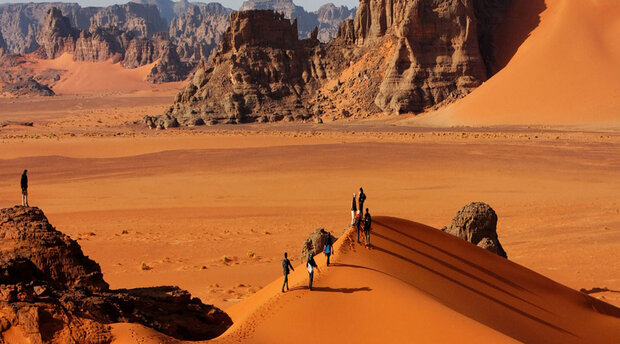
Located southeast of Iran, Lut Desert is a vast area that includes parts of three vast provinces: Sistan and Baluchestan, South Khorasan and Kerman.
About 70% of this vast desert is in Karman province, with the remaining 30% in the provinces of South Holasan, Sistan and Balchestan.
The Baltic word “lut” is one of the languages of northwestern Iran, meaning that it is naked, waterless, thirsty and everything is empty.
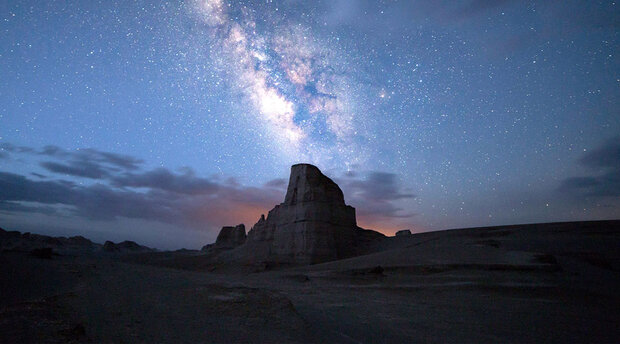
The main part of this fantastic dessert is made up of sand and gravel, while the rest of the area has desert geography.
The desert night sky is a paradise for astronomers, and the untouched nature of LUT compared to other deserts in Iran invites photographers, astronomers and researchers. Due to the remoteness of this desert from the metropolitan cities and the light created by these cities, beautiful images of the night sky can be recorded within the LUT desert.
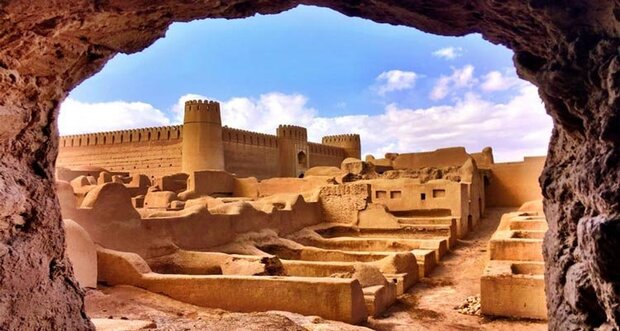
Bamshitadel
The UNESCO tagged BAM and its cultural landscape are located at the southern tip of the Iranian Heights in Karman province, near the Pakistan border. It is highly regarded as a prominent example of ancient fortified settlements.
The Bam is located 1,060 meters above sea level in the centre of the valley and is dominated north to the south of the Cahut and Jebal et Bales mountain ranges.
According to UNESCO, the origin of the BAM Citadel can be traced back to the Achemenid period (6th to 4th centuries BC).
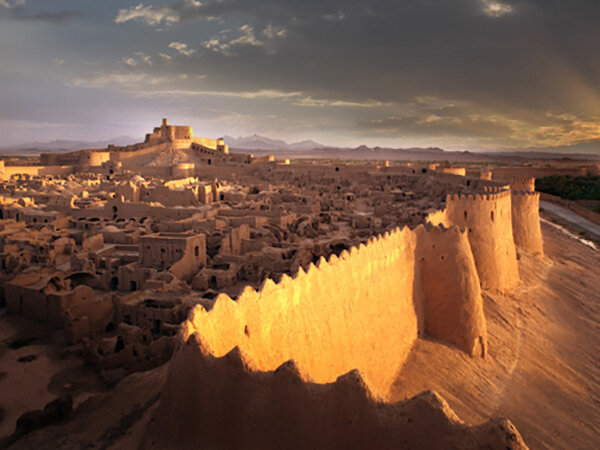
Archaeologists have discovered the oldest signs of civilization in Burdon Hills, 15km from the city. To the northeast of Bam, on the top of the cliff was a solid fortress known by the people as the Fortress.
In fact, this magnificent building was the ancient city of Bam. Around the castle were deep grooves that protected the city from enemy attacks.
On December 26th, 2003, the Citadel was almost completely ruined by an earthquake. After the earthquake, the Iranian government announced the reconstruction of the Citadel.
Edited by Marzieh Rahmani