
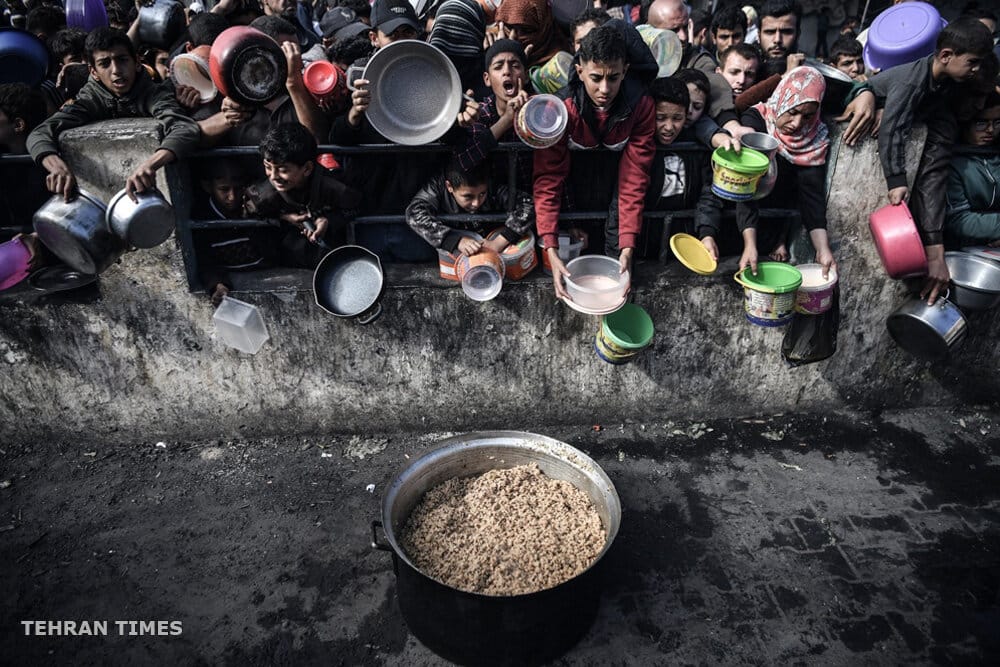
Many of the food is set to expire by the end of July, and will likely be destroyed by incineration, costing $130,000. Some could be used as animal feed or disposed of in other ways, sources say.
Stockpilings remain unused after the Trump administration decided to close USAID in January.
More than 1,100 tons of emergency groceries, including fortified wheat biscuits, were stored in U.S. government warehouses in Dubai. This food is designed to meet the nutritional needs of children under the age of 5 and is intended to feed around 1.5 million malnourished children in Afghanistan and Pakistan. The biscuits are worth $800,000 and are enough to feed the kids for a week.
However, about 500 tons of high energy biscuits are already rotten and are set to incinerate.
A “wasteful tax” memo warning if biscuits are not distributed will prompt action and lead to an agreement with the World Food Programme (WFP) that will receive 622 metric tons.
The inventory also includes vegetable oil and fortified grains over $98 million, according to documents reviewed by Reuters. This food can supply more than one million people for three months or the entire population of Gaza for a month and a half.
The World Food Program (WFP) says that a ton of food can meet the daily needs of around 1,660 people.
This happens amidst the rise in global hunger caused by conflict. WFP also reports that 343 million people face acute food insecurity, of which 1.9 million are on the brink of hunger, primarily in Gaza.
A US State Department spokesperson said, “USAID is constantly consulting with partners about where to best distribute products in the USAID Preposition Warehouse for use in emergency programs prior to expiration dates.”
However, contract cancellation and freeze funds under the Ministry of Government Efficiency (DOGE) are packing groceries into warehouses in Djibouti, South Africa, Dubai and Houston.
UNICEF warned in late March that supply of ready-to-use therapeutic foods (RUTFs) is in short supply in 17 countries due to funding cuts. This shortage risks leaving 2.4 million severely malnourished children untreated for the rest of the year.
Action against Hunger, a nonprofit that relies on the US over 30% of its budget, said US aid cuts have already led to the deaths of at least six children.
In 2023, USAID purchased more than 1 million tonnes of food from US producers. The collapse of US foreign aid increases the risk of worsening hunger. Furthermore, many humanitarian workers and supply chain experts who helped deliver food around the world are losing their jobs.
rhm/