
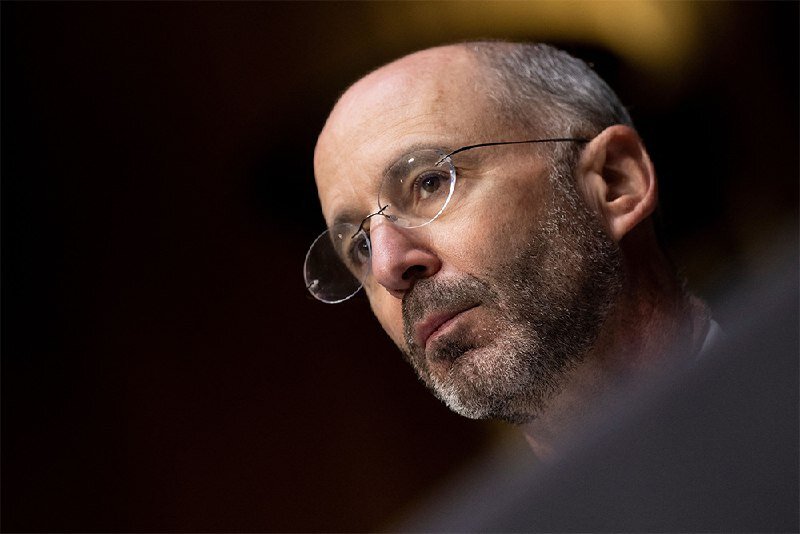
“So I think the military choices were wrong for all sorts of reasons. It doesn’t handle the problem completely. It leads to all sorts of uncertainty and unpredictable outcomes. I think we’ll live together not just for the next few days, months, but for years.
He also said those who thought Israeli strikes would lead to an uprising in Iran were wrong as the attacks by foreign governments targeted hospitals as well as Iran’s nuclear facilities and killed civilians.
He further stated that many Iranian-American friends are saying they are becoming more nationalist in unprovoked attacks.
In an interview, Marie said Israel initially failed to block the 2015 nuclear deal, officially known as a joint comprehensive plan of action, despite all efforts in the US, but when President Trump took office, it was more successful.
Israel didn’t like the outlook for Iran to make more international economic transactions with Europe, so perhaps with the US, “they did what they could to get it back,” he added.
He said many people in the US believe Trump’s withdrawal from the JCPOA and the subsequent maximum pressure campaign would urge Iran to abandon its nuclear program and surrender, but “it didn’t happen.”
“I think what we often get wrong is that we think the threat of sanctions and the imposition of sanctions is sufficient to force the country to surrender,” he pointed out.
“That’s certainly true, President Trump has been thinking over the years, and some other Democrats have been thinking over the years that Iran is trying to give up what they have… They are not willing to give up on one of their assets due to coercion.
Meanwhile, a former US envoy emphasized that ballistic missile development, with or without sanctions, has always been one of Iran’s priorities.
MNA/