
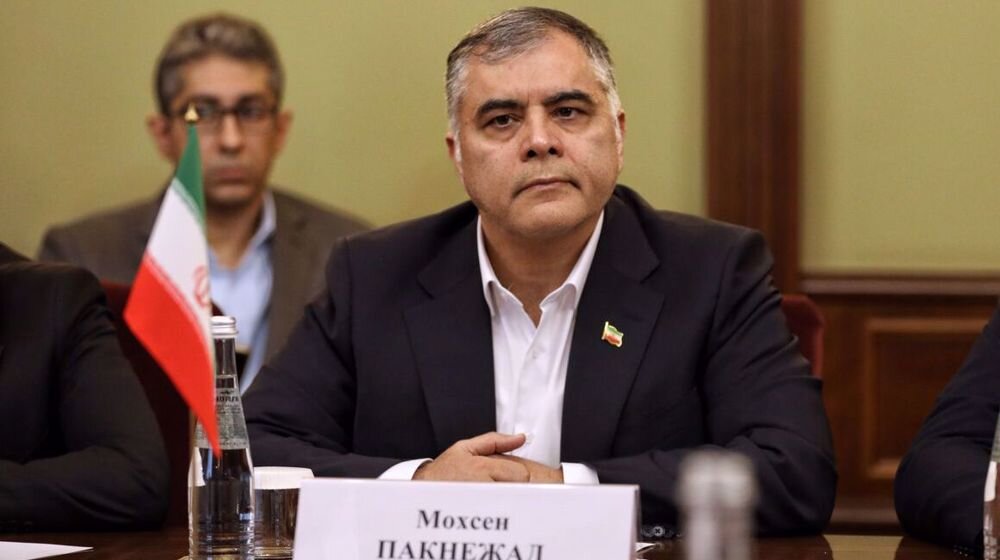
Speaking to reporters on Sunday, Pakhnejad said Iran is ready to deal with the impact of UN sanctions on the oil sector, including exports, investments and equipment imports.
He made his remarks amid the threats of Britain, France and Germany that if Tehran fails to reach a new agreement on its nuclear program in the coming months, it would create a so-called snapback mechanism under the 2015 nuclear deal between Iran and the world powers.
The move could potentially return six UN sanctions resolutions adopted between 2006 and 2010 in response to Iran’s alleged violations of UN nuclear regulations.
Experts say the re-challenges of UN sanctions will have little impact on Iran’s ability to supply oil to Iran’s international markets, as they will not directly target Iran’s oil sector.
But they say sanctions could affect Iran’s oil-related financial transactions. Financial transactions with other countries include China, the largest buyer of Iranian oil, the largest U.S. sanctions in recent years.
Hamid Hoseini, a senior member of the Iranian Oil, Gas and Petrochemical Exporting Equipment Union, said the re-challenges of UN sanctions under the snapback mechanism will allow for more rigorous surveillance of Iranian oil tankers and moves in international waters.
Hosseini told Ilna news agency that the sanctions could cause China to demand further discounts on Iranian oil cargo, adding that Beijing could also tighten rules on how to deal with funds generated from Iranian oil exports.
MNA/