
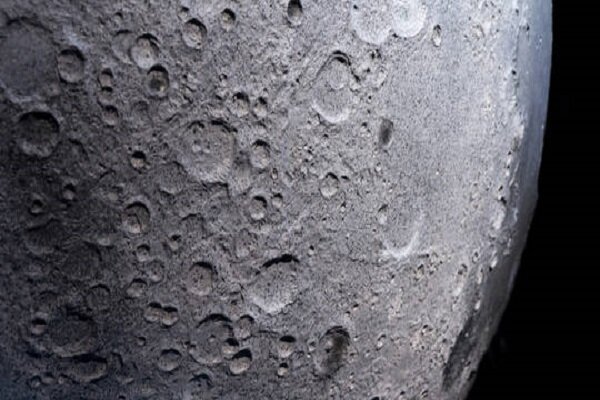
Duffy will sign an order this week instructing NASA to seek industry proposals for a 100-kilowatt nuclear reactor intended for launch by 2030.
“It’s about winning the Second Space Race,” the report cited senior NASA officials saying ahead of the release of the plan.
The directive also says that the first countries to establish nuclear reactors can “declare a keep-out zone” that will significantly hinder the United States, reflecting NASA’s concerns about a joint project launched by China and Russia last year.
Additionally, Duffy announces its goal of promoting the exchange of International Space Station (ISS) as an alternative to commercial operations. According to the report, the goal is to place new stations on track by 2030.
The directive also requires NASA to appoint leaders of the initiative and collect industry feedback within 60 days to launch a reactor by 2030.
In November 2022, Russia and China signed an agreement for the co-founding of International Scientific Moon Station (ISLS) between 2033 and 2035. At the time, Los Cosmos head Yuri Borisov later said it was Russian and Chinese
The Space Agency was considering installing a nuclear energy facility on the moon as part of a joint project, and was considering that development of the facility had already begun.
With the ISS set to Deorbit after 2030, Russia plans to create a new track station. Rocket and Space Corporation Energia launched the station’s first module in 2027 and is expected to complete construction on track by 2032.
rhm/