
A source familiar with the issue told the Tehran Times that both Iran and the US are willing to launch new negotiations. While previous talks focused solely on Iran’s nuclear program, Tehran argues that war damage compensation will become an integral part of future debate. Sources added that new, indirect negotiations, in which mediators are used as intermediaries, could begin earlier than this month.
Previous talks with Iran were scheduled to resume for the sixth round just days before it launched airstrikes targeting Iran’s nuclear, military and civilian infrastructure on June 13. The US took part in the war directly on June 22, deploying B2 bombers to attack three nuclear sites previously attacked by Israel.
Iran’s retaliation included massive missile and drone attacks on occupied territories, as well as missile attacks on Al-Udaid Air Base in Qatar, Washington’s most important military base in West Asia. The war halted on June 24th after Israel’s proposal to ceasefire.
A report from the Tehran Times said Western media reports say Israel and the United States are short on Air Force defense missiles by the end of the war. Furthermore, Hebrew media reports show that at least 31,000 buildings and 4,000 vehicles in Israel have been destroyed or seriously damaged by Iranian projectiles, and the Israeli regime is struggling to provide shelter and compensation to the affected population. Details are rare as Israeli authorities have imposed severe censorship on international media since the early stages of the conflict.
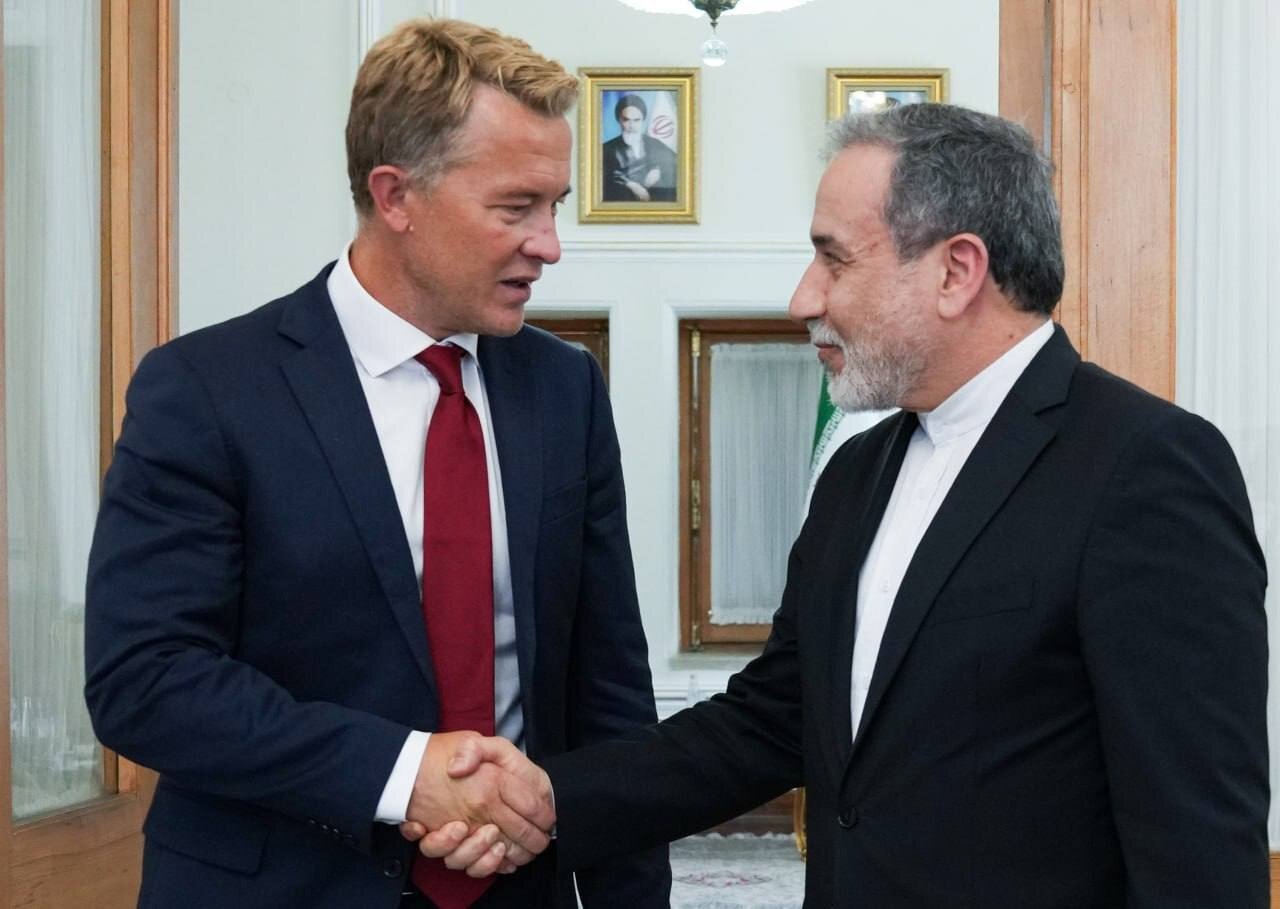
The Tehran Times also reported on the rise of opposition within Iran. Norwegian Deputy Minister Andreas Kravik visited Tehran this week to meet Abbas Aragci, the top Iranian diplomat. The official readout from Iranian Foreign Ministry did not mention any Norwegian mediation in a potential new US debate, but the unpublished visits are primarily related to the issue. Norway is one of the few Western countries to join the 120 countries that explicitly condemned Israel’s war against Iran, and has traditionally enjoyed good relations with Western Asian countries.
If it is officially confirmed, Iranian diplomats will carry out new consultations with the United States amid increasing domestic opposition to such involvement. Even before the war, distrust in its diplomatic involvement with Washington grew within Iran. Conservative political opposition and some of the population believe that previous talks served as a cover-up of US and Israeli attacks on Iran.
A prominent conservative figure, Saeed Jalili is one of the most vocal opponents of a new diplomacy with Washington. Former nuclear negotiators expressed his opposition this week on X, comparing the biblical “golden calves” idolatry with the call to negotiation.
In various interviews, Araguchi and his colleagues state that the new consultations are conditional on the US assurances for military action during the diplomatic process. Despite this situation, Aragut and military officials in Iran believe the country must be vigilant and ready to defend itself at any time, according to information obtained by the Tehran Times.
Recent developments support this evaluation. The establishment of a new defense council, coupled with the rapid repair and strengthening of Iran’s defense system, suggests that Iran still considers the war to be a clear possibility. Iran’s Intelligence Forces are also in full swing to arrest individuals who supported the Israeli attack in June.
MNA