
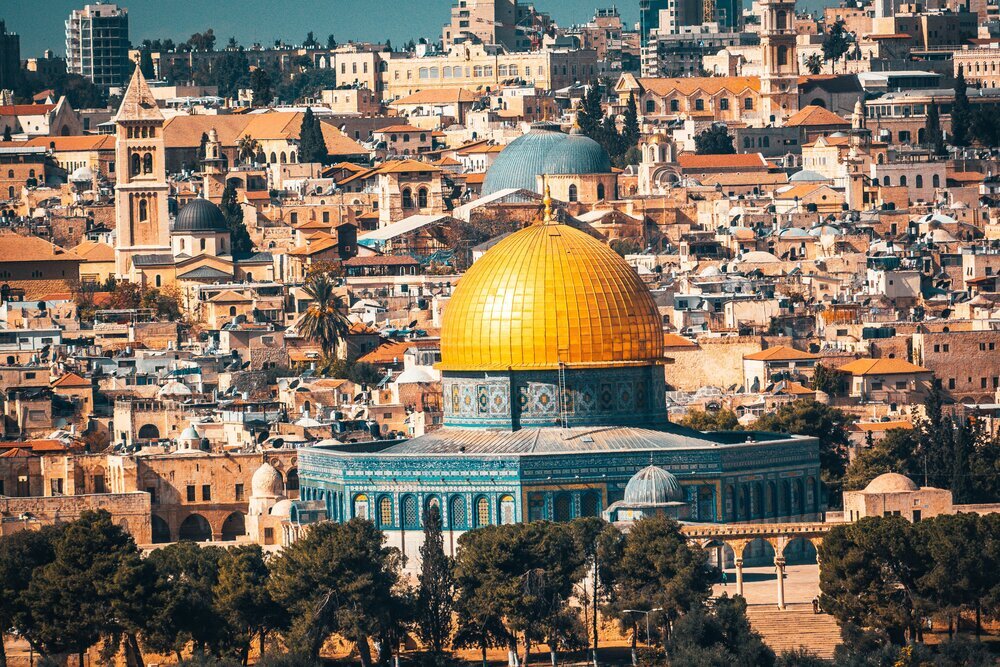
Because the exaggeration sec deeply offends Muslims, the mosque holds an important position in Muslim society and assures respect.
World Mosque Day is raising awareness of religious site protection in commemoration of the Al-Aqsa Mosque arson attack.
On August 21, 1969, extremists set fires at Al-Aqsa Mosque, a very important place as a former Muslim Qibla.
The fire was damaged nearly 1,500 square meters, destroyed historical features, caused structural collapse, and caused rage and condemnation from Islamic countries.
UN Security Council Resolution 271 condemned Israel’s arson. World Mosque Day emphasizes the importance of the Al-Aqsa Mosque as the third most hall in Islam.
The mosque is an Islamic prayer house derived from the Arabic “place of debilitating”.
Early mosques were modeled after the Prophet Muhammad (Pbuh) Medina Courtyard.
The mosque is respected as a place for worship and community gatherings, leading and fostering connections for Muslims of all ages.
Throughout Islamic history, mosques are considered sacred and a connection between earth and God, and fostered human growth.
They serve as a forum for discussing social, political and global issues affecting the Islamic world.

Iran boasts a number of mosques and shrines famous for its symmetrical designs, geometric patterns and vibrant colors.
Notable examples include the Nasir al-Mark Mosque, Sheikh Safi Al Dinhanega, Shah Eshera Mosque, Imam Mosque, Jamemesk in Yazd, Blue Mosque in Tabriz, Goharshad Mosque, Agabozorg Mosque and Jamakaran Mosque.
The architecture of the mosque varies depending on the area shaped by available materials and local traditions.
However, certain features are consistent, such as Mihrab, a niche that points to Qibla (in the direction of Mecca) and Minbar, a pulpit to provide sermons.
The tall tower, where minarets and the Call to Prayer (Adhan) were announced, is also a common feature. Purification facilities for ritual cleansing are essential.
Calligraphy, geometric patterns, and floral motifs often adorn the walls of mosques, reflecting Islamic artistic traditions.
These decorative elements instead focus on the abstract design and poetry of the Quran, avoiding the representational images.
The spatial organization of the mosque usually emphasizes a large, open prayer hall, allowing congregations to pray.
Natural light often plays an important role and creates a calm and spiritual atmosphere.
The courtyard provides additional space for prayer and social interaction.
The preservation and maintenance of the mosque is considered an act of honor, ensuring its continued role as a centre of faith, learning and community engagement.
Modern mosques often incorporate modern equipment, maintain traditional architectural elements, and reflect the progression of Islamic architecture in response to changes in needs and context.
The establishment of World Mosque Day reminds us of the importance of mosques, especially the Al-Aqsa Mosque, in the lives of Muslims around the world.
Mosques have historically played a role in promoting justice and social change, which is a symbol of unity and resistance to oppression.
In modern times, given the many challenges facing Ummah, the need for solidarity among Muslims is greater than ever.
The principles of peace, tolerance and mutual respect, which are central to Islamic teaching, should be supported and practiced in all aspects of life.
It is essential to unite Muslims and remember the shared values that work together towards a better future for all.
Reported by Tohid Mahmoudpour