
Dmitry Polianski, the first deputy permanent representative of the United Nations, spoke to reporters at a press conference on Tuesday.
“That (the proposal) concerns extending resolution 2231,” he said.
According to Press TV, the expected expiration date for the October resolution will lead to a recovery of enforcement measures.
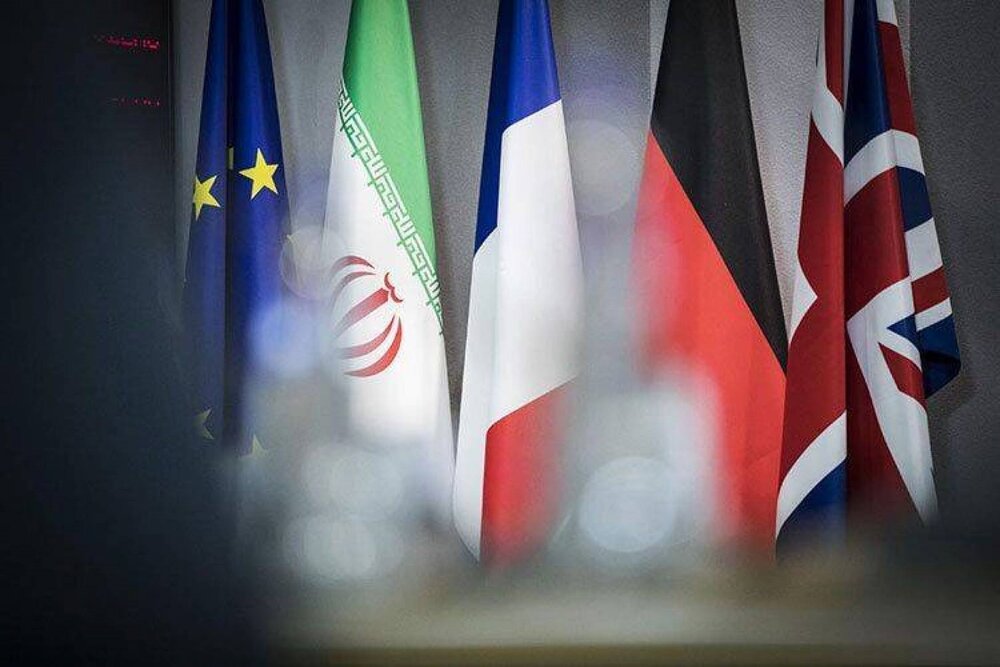
The US allies in the 2015 nuclear deal between the UK, France and Germany – between Iran and countries around the world are working hard to restore the measure.
However, Poliansky argued that “Russia and China want to provide more breathing space for diplomacy and provide the possibility of a proactive exploration of diplomatic solutions to this issue.”
He said Moscow and Beijing are doing so in their capabilities as “responsible members of the Joint Comprehensive Action Plan (JCPOA), the official name of the nuclear trade.”
In 2018, the United States left the agreement on illegal and unilateral moves, followed by a revival of sanctions on the Islamic Republic.
Not only did the European trio fail to meet their promise to bring the US back into trade, they also followed in Washington’s footsteps by returning their own economic ban targeting the Islamic Republic.
Now they are trying to spark a mechanism, accusing the Islamic Republic of “adopting” its peaceful nuclear energy activities towards “military purposes” despite the lack of all legitimate evidence.
Iran and its allies, Russia and China have repeatedly argued that European countries refuse to reject their obligations under the nuclear deal, and that alignment with the US in the latter attack on Iran’s peaceful nuclear facilities in June took away the excuse to resort to “snapbacks.”
According to Polyanski, avoiding the deployment of mechanisms is “in the interests of all parties, because there are many belligerent initiatives that make the situation even worse.”
“The choice of the international community should not be in favor of war, but in favor of peace and diplomacy, which is the purpose of our draft,” he added.
“Hopefully it’s acceptable. For those who really want to maintain their diplomatic efforts or don’t want diplomatic solutions, I think it’s kind of a litmus test, but I just want to pursue their own nationalist, selfish agenda for Iran.”
MNA/