
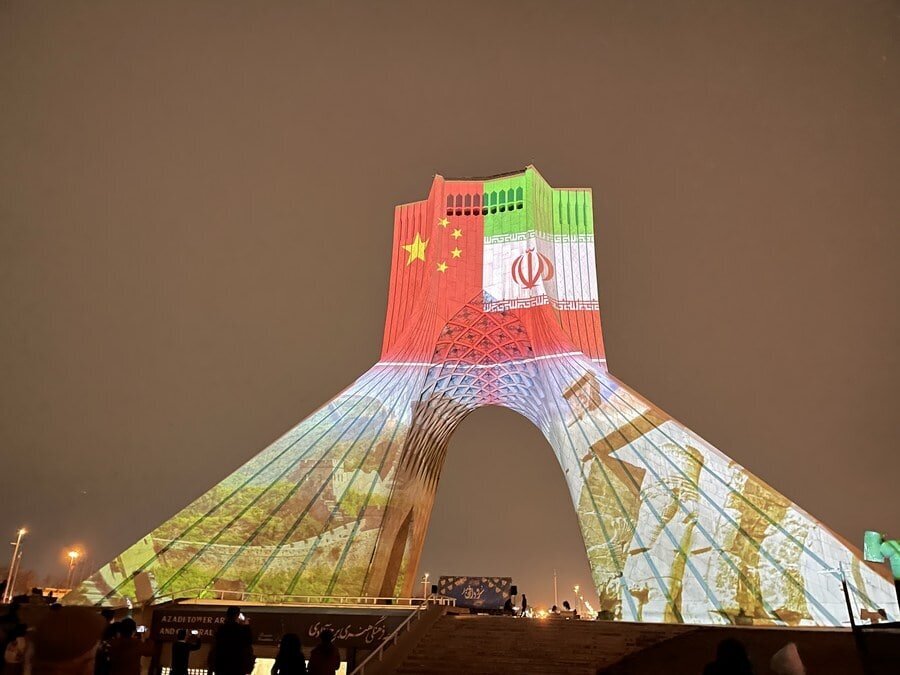
“Iran’s nuclear issue lies at an important intersection,” Foreign Ministry spokesman Guo Zi-Kung said at a press conference in Beijing.
“Starting the snapback process at the (UN) Security Council is not a constructive move that disrupts Iran’s nuclear issue through political and diplomatic measures,” warned Guo.
Beijing’s response came on Thursday against Germany, France and the UK (the British move known as E3), sparking a mechanism to revive UN sanctions in a conflict over Iran’s nuclear program.
The move has been criticized by Iran and is called “legally invalid.”
Russia, one of five permanent members of the UN Security Council, said that the moves by European countries are “violated” and that “there is absolutely no legal support as they have not implemented resolution 2231 in good faith (UN Security Council) in good faith.”
“China believes that the current movements by the Security Council should contribute to the resumption of dialogue and negotiations rather than creating new conflicts and escalating the situation,” a ministry spokesperson said.
Guo emphasized that Beijing will “continue to support an objective and fair position and play a constructive role in pursuing the issues as quickly as possible.”
Together, Russia and China have put the council’s resolution in the blue draft, Russian accusations UN Dmitry Poliansky told a press conference at the UN headquarters in New York on Thursday.
The draft was “technically extended for six months until April 18, 2026. This is a 10-year term on the date of the Joint Comprehensive Plan of Action (JCPOA) adoption,” he said.
In particular, the US welcomes decisions by E3 countries.
MNA/