
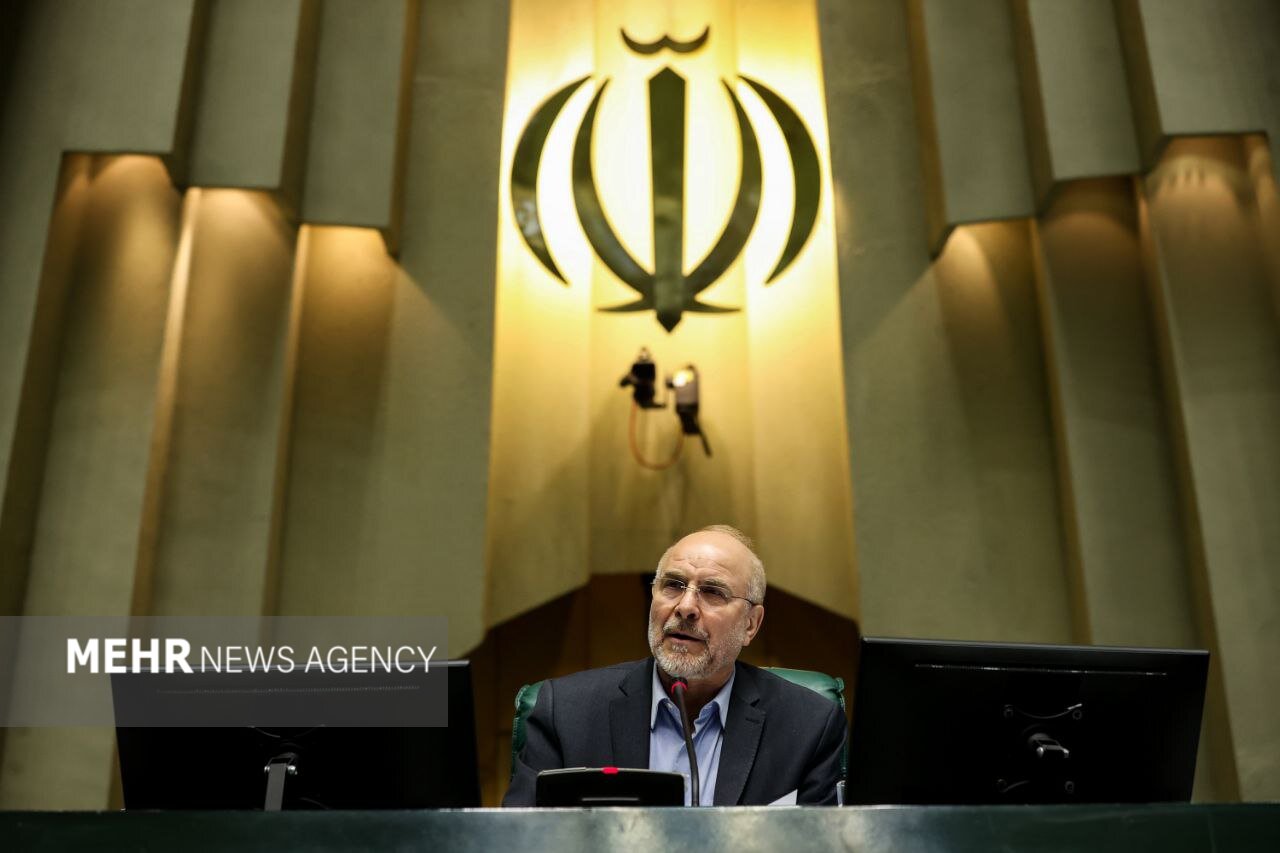
Speaking before Parliament, Gallibach noted that the moves by three European countries were “illegal” and that even Russia and China rejected the legitimacy of the move. He emphasized that Iran must charge costs to change the enemy’s decision.
Karibah added that UN sanctions “are not just paper waste,” but that if authorities manage the psychological pressures of foreign media campaigns, it would not have a major impact on Iran’s economy. He pointed out that unilateral US sanctions implemented at the highest level could not halt Iran’s oil sales and foreign trade.
Iranian officials have repeatedly explained the illegality of using the mechanism, and other UN Security Council members, such as Russia and China, have taken the same position, he said.
“Therefore, Iran needs to take deterrent measures to carry out this illegal act by European parties in order to lead to a change in the enemy’s decision to activate the snapback mechanism,” he continued, emphasizing that a unified decision to establish Islam in this regard will be announced and implemented soon.
He stressed that despite enemy propaganda, the UN sanctions resolutions are not important, but that they will not have a significant impact on Iran’s economy, provided that their psychological pressures are properly managed by clear explanations.
Gallibaf further noted that, while unilateral US sanctions, which were forced to the fullest by the Treasury OFAC, were widespread, Washington was unable to prevent Iran’s oil sales and foreign trade.
He emphasized that UN sanctions lack both broadness and enforcement guarantees compared to unilateral US sanctions. Some argue that the return of UN sanctions could provide legal infrastructure for US sanctions, but Gallibach explained that the resolution imposes only limited restrictions and does not cover Iran’s oil exports.
MNA/