
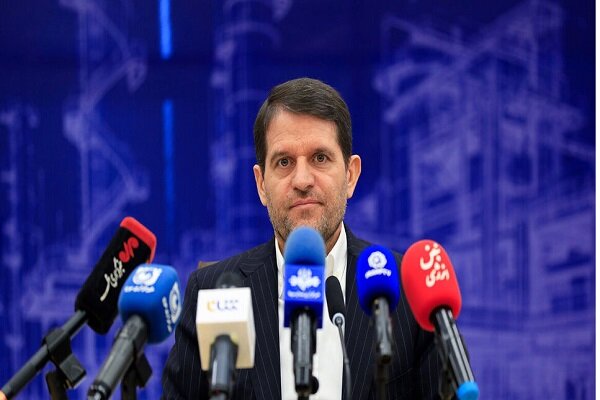
Of the total, 13 million tonnes worth $5.5 billion were exported, and another 7 million tonnes, valuing 7 million tonnes worth valuing 7 million tonnes, managed director Hassan Abbasadeh said at a press conference.
He thanked the media for the recent 12 days of coverage during the conflict, adding that the petrochemical sector has maintained stability and has gained valuable lessons during that period.
Abbasade said the industry has not faced a significant decline in production over the past year despite recent domestic turmoil. He highlighted the company’s focus on completing development and infrastructure projects, noting once the common delivery delays have been reduced.
He said 15 petrochemical production projects, four raw material supply projects, three utility services projects and four infrastructure projects are expected to be launched by mid-March 2026. Six of these projects, including the first phase of the East Karoun Flare-Gas Recovery program, are ready for office. In total, the planned project represents an investment of $6 billion, adding approximately 9.8 million tonnes of production capacity per year.
Despite the nameplate capacity approaching 100 million tonnes, about 22% remain idle due to a lack of ingredients, Abbasadeh said. A special task force was established to address this issue. As part of Iran’s Seventh Development Plan, large petrochemical companies are expected to expand their upstream investments.
The permitting process has also been streamlined, cutting from three to four years to about six months, he added. Flare gas recovery remains a priority, with several projects underway to supply suppliers.
Currently, petrochemists only consume around 4.5% of Iran’s daily gas output, Abbasadeh said. In contrast, households make up almost half of the plants consumed. Initiatives such as replacing household heaters and implementing a 10% fuel reduction plan targeting 140,000 customers in five cold regions have helped ensure a stable supply of raw materials for the industry.
He also said that new crisis management protocols were created during the 12-day war, providing coordinated operational guidelines for petrochemical plants under various threat levels.
MNA/shana.ir