
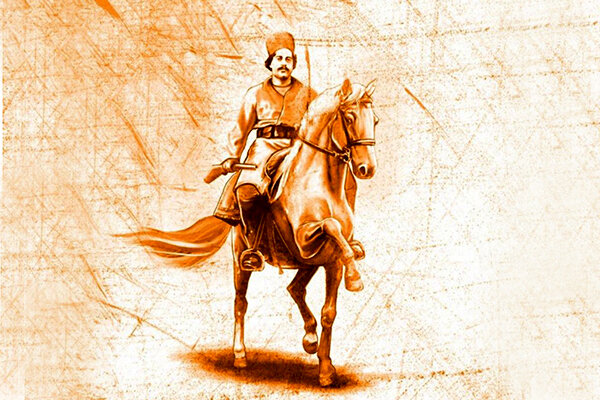
A legendary figure on the South Coast, he is respected as a “national hero to British colonialism,” a “coast crown,” and most importantly, as a “symbol of religious chivalry (Gheyrat-e dini).”
His legacy is a powerful tale of courage, faith and unwavering principles. Numerous books, articles and meetings are trying to unravel the essence of this famous icon, each adding layers to his intricate story.
Among them, the work of Hussein Nambar, published by martian Ray Ali Delvali: Zerzereiha Ye Roshan, symbols of religious chivalry stand out not as mere historical accounts, but as a deep, intimate portrait from within the family sanctuary, providing a unique, deeply personal perspective.
The book’s greatest strength and most unique offering arise directly from the author’s privileged pedigree. Hussein Nambar, the grandfather of Reis Ali Delvalli, is a family connection that fundamentally transforms the story from an isolated third historical record into a precious family chronicle that has been passed down fundamentally across generations.
This intimate perspective gives the entire text an unparalleled authenticity and recognizes access to the reader, perhaps the book’s most valuable contribution.
Nambar as an insider provides valuable insight into the ancestors, tribal pedigree, and the social environment that shaped the young Reis Ali, as well as the information that shaped the information that existed in previous publications.
In this detailed family context alone, the book becomes an essential primary resource for historians and scholars dedicated to this era, offering a clearer picture of the man behind the legend.
True to that title, Nambar’s central and compelling treatise is that his deep “Girat e Dini” is the main motivation for promoting Reis Ali Delvali’s intense anti-colonial struggle.
The author persuades Delvalli that he simply does not view the fight against the invading British forces as a political or nationalistic effort. First and foremost, it was religious jihad (struggle in the path of God).
His unwavering faith, the purity of Islamic beliefs, and his innate love for his country were inseparable pillars of his resistance. This analysis reveals the very spirit that animated the battle, beyond the tactical details of the battle, and framing it not as a simple skirmish but as a sacred duty to the deep injustice of colonialism.
This theme core provides a powerful lens for seeing his actions and his ultimate sacrifice.
Furthermore, Nambar bravely tackles one of the most prolonged and sensitive controversies surrounding the death of a martian.
He explicitly challenges the longstanding historical narrative of a man named Gholam Hossein Tangaki being an assassin.
The authors convince themselves that other shadowy actors are responsible for this dangerous act, suggesting more complicated political assassinations rather than simple personal grievances.
This claim is important as it invites readers and historians to critically review the accepted accounts of this pivotal moment and consider the more complicated, perhaps hidden, power of play in the turbulent landscapes of the time.

Who is this book?
This is an essential reading for anyone looking for a deeper, more personal understanding of Reiis Ali Delvalli, which goes beyond standard folklore and at the heart of his identity.
I highly recommend it to students in Iranian history, especially those who focus on the Constitutional Era and the relentless struggle against European colonialism in the Persian Gulf.
Most importantly, it serves as a powerful moral and religious text for the younger generation, showing how deep and capable the faith is, in the face of overwhelming odds, courageous leadership and the deep faith of the nation.
As Nambar and the cited officials emphasize, Reis Ali Delvali’s legacy is a timeless lesson of resistance and principles.
Alongside his incredibly loyal companion, Khaloo Hossein Dashti, Delvari showed that defending the sovereignty and cultural identity of the nation is a true path to development and civilization.
He has proven that truly successful leadership is a powerful combination of raw battlefield courage and deep social wisdom in collective management.
His annual memory of Sharibah on the 12th is more than just a ritual. Resistance and immobility are historic orders, guidelines for progress, and powerful annual reminders that they are guidelines for maintaining national values and shaping collective identity rooted in strength and self-determination.
As eloquently stated by Hojatresram Ali Zahedost, the Imam of Dashti’s Friday prayer, where the interview is referenced, “Rais Ali Delvali was the perfect example of a mujahid (holy warrior) who relied on faith, integrity and love for his homeland to stand up to colonialism and relied on the trembling of his enemies.”
Today’s lessons are clear and resonant. Faced with modern “soft wars”, economic sanctions and cultural threats, Delvalli’s spirit is characterized by perception, insight, and indomitable resilience, but more relevant than ever.
The book concludes with a powerful, contemporary message. Just as Reis Ali and Karu Hossain humiliated the power of the colonies of the times, their spiritual descendants today, with the same divine supportive resistance, confront and overcome the threat of modern oppressors, turning past lessons into victory of the future.
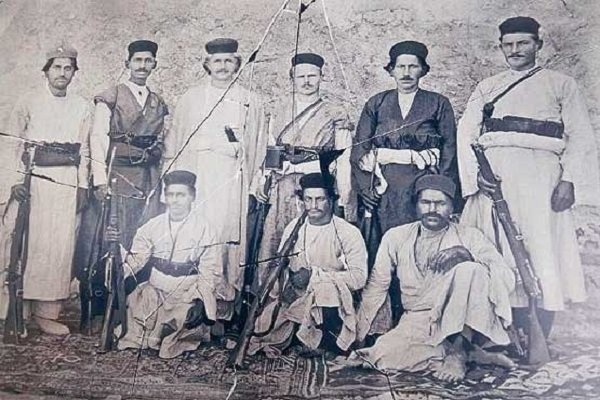
Commemorated on September 3, Rais-Ali Delvari is a symbol of resistance to colonialism in southern Iran and a lasting example of leadership, perseverance and community strength.
As a courageous leader, Delvalli successfully organized the Delval people against the British army, securing his position in Iranian history.
More than just a military figure, he illustrated an informed, patriotic leadership in the fight for Iran’s independence.
His success stems from his deep understanding of the local social, geographical and strategic landscapes, coupled with the trust he cultivated amongst people.
By promoting unity, he strengthened public resistance and emphasized the importance of social unity in the struggle.
Delvalli’s influence expanded beyond military action. He strengthened local civilization by promoting a culture of collective spirit and resistance.
He instilled responsibility and trust, laid the foundations for local development, and demonstrated that resistance shapes national identity and strengthens social structures.
Every year, the province of Bucher celebrates the martialism of Delvalli at rituals and conferences.
These events celebrate his legacy of resistance, patience and sacrifice, and provide a model for addressing modern challenges.
Dellvalli’s leadership, rooted in understanding social reality, continues to inspire future generations in the pursuit of justice and sovereignty.
Where is the Shahid Raeis Ali Delvari Museum?
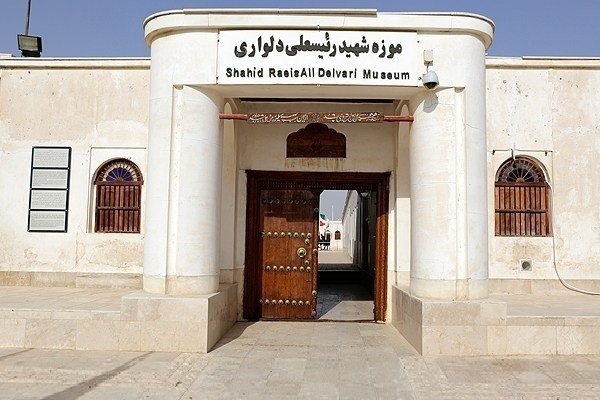
Shahid Rais Ali Delvari Museum
The Reis Ali Delvalli home is located in the southeastern part of Delvalli city in Buchere. This historic residence dates back to the late Qajar era, with talent for cultural heritage organizations from descendants of Rais Ali Delvari, and now serves as a museum that attracts visitors.
The museum in Delva, part of Tanguestan County, was once the home and residential area of this notable figure. Delvar is a central region of Tangestan’s coastal sector and is recognized as the birthplace of Reis Ali.

Located 35 km from Bucher, the Reiz Ali Delvalli home has been renovated and transformed into a cultural complex. It houses the ethnographic museum in the province of Boucher and features a variety of traditional rural activities.

Within the museum, 94 weapon items and historical documents relating to the heroic actions of the people of Bucher are on display to protect their Islamic homeland and the Persian Gulf.

The museum has 23 rooms, covering an area of 3,750 square meters, boasting a history of over 110 years. It has established 17 spaces specialising in the preservation of historical documents and artifacts.
The museum not only serves as a memorial to the heritage of national heroes, but also as a reservoir of local history and culture, demonstrating the resilience and courage of those who defend their homeland.
Reported by Tohid Mahmoudpour