
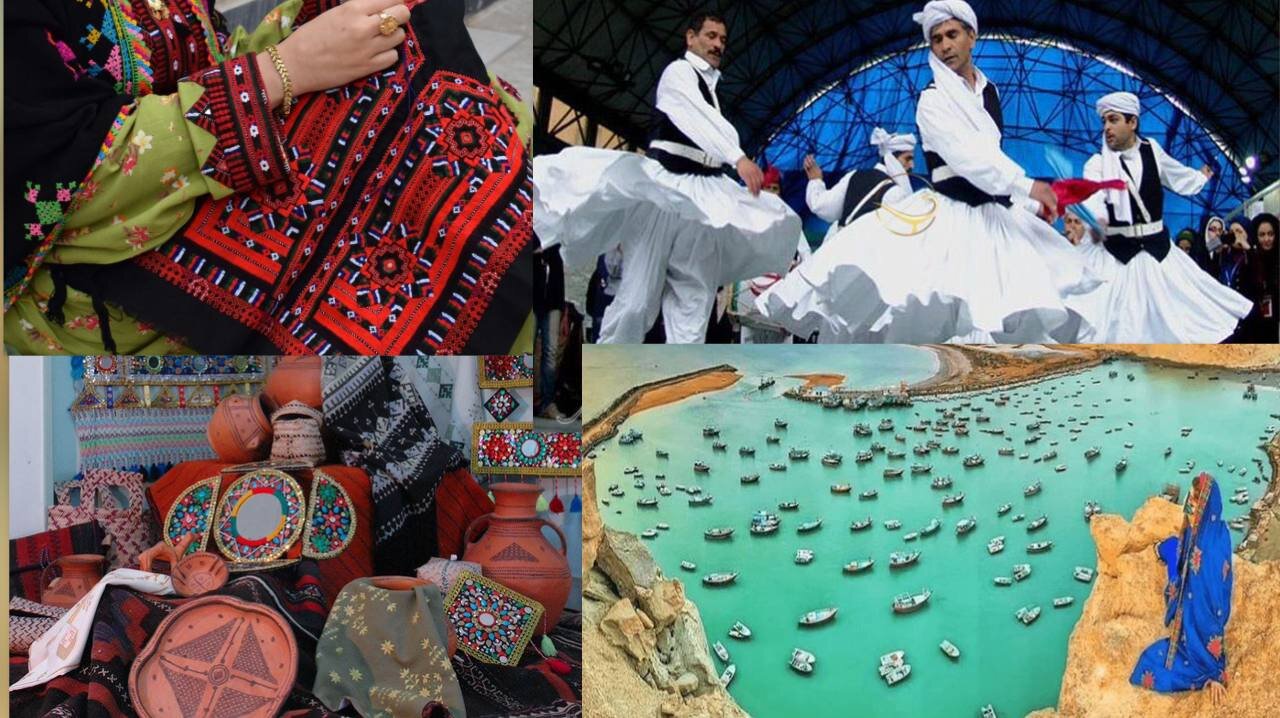
Sistan and Balchestan, the second largest province of Iran in the southeast, are known not only for its vast deserts and warm coasts, but also for its rich cultural heritage. The region, which shares its boundary with Pakistan and Afghanistan, has long been a crossroads in tradition.
The Sistan and the Balchestan people are well known for their colorful lifestyles. While men wear long white dresses with turbans, women’s outfits shine with embroidery and mirror work, reflecting craftsmanship over the centuries.
Traditional clothes
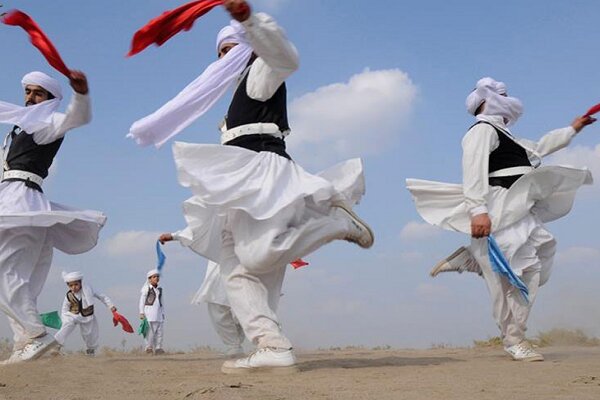
The state’s identity is strongly reflected in the clothing of its people. Men usually wear long, loose white dresses called Pirahans and feature wide pants and turbans, symbolizing simplicity and elegance.
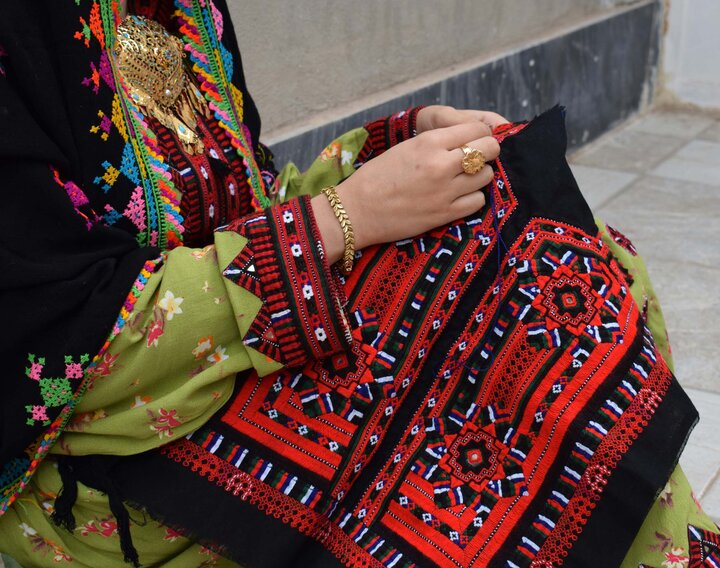
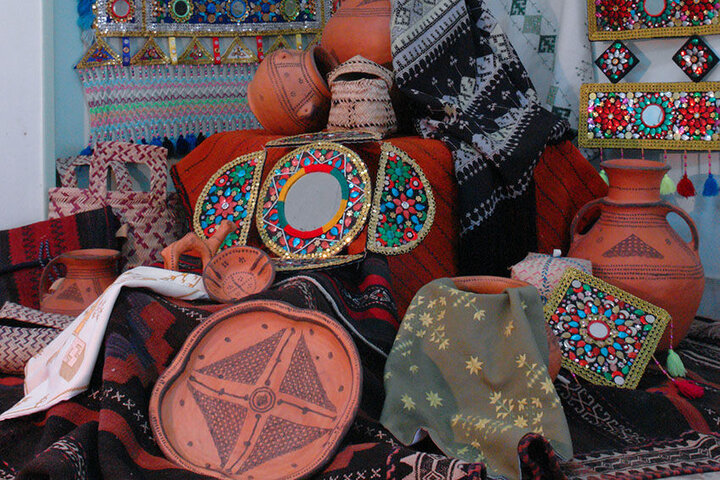
However, women’s clothing is full of colour. Their long dresses are decorated with the work of embroidery and mirrors (Suzan Duzi), an ancient art handed over for generations. These garments are not only traditional, but are perfectly suited to the warm climate of the region.

Food and local cuisine
The culinary culture of Sistan and Balkestan is as diverse as its geography. Traditional foods such as taba hugs (meat dishes), daldas (spiced lentils), and various breads like orad are common on local tables. In coastal regions, seafood plays an important role, with dates, mangoes and citrus fruits being one of the most valuable produce. Tea remains a symbol of hospitality, serving and gathering in every home.
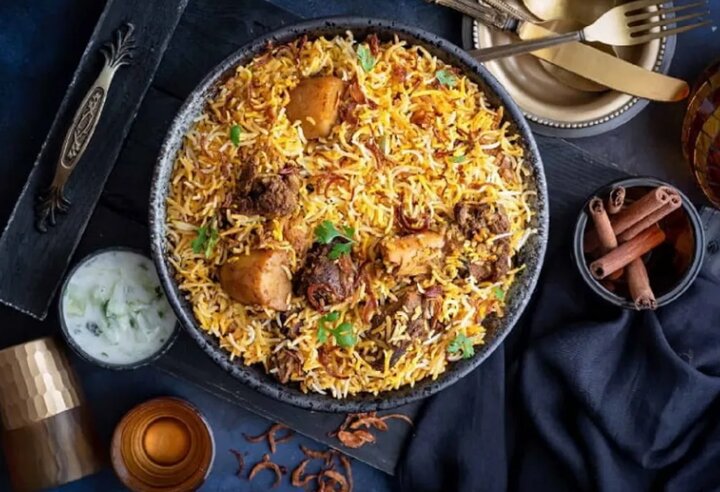
A well-known specialty is Balochi Biryani, a flavorful rice dish that is well made with meat, spices and vegetables. This reflects both local flavours and South Asian influences. In coastal regions, seafood plays an important role, with dates, mangoes and citrus fruits being one of the most valuable produce. Tea remains a symbol of hospitality, serving and gathering in every home.
Cultural beliefs and traditions
Hospitality, respect for the elders, and strong family ties are central values for the people of Cistan and Balchestan. Storytelling, poetry and oral traditions are deeply rooted in their culture. Many customs reflect both Islamic beliefs and ancient traditions, making the state’s cultural fabric unique.
Folk music and dance
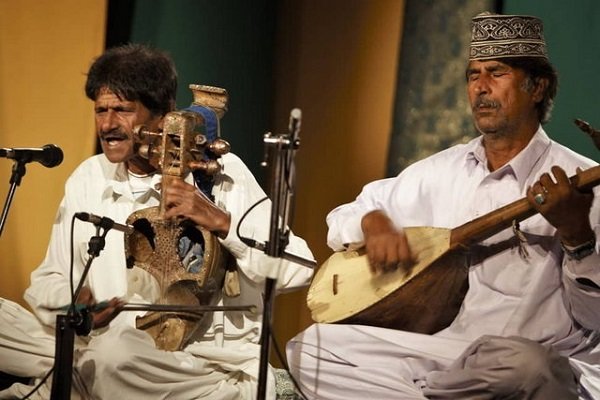
Music and dance are inseparable from people’s lives. Traditional instruments such as solna (wind instruments) and dolls (drums) bring energy and rhythm to the ritual. Dances such as Leibi and Do-Chapi are often performed at weddings and festivals in groups that represent joy, unity and community spirit.
Handicrafts and souvenirs
The state is widely known for its handicrafts. The delicate embroidery of susanduzi, ceramics, camel wool products, hand-woven rugs and silver gems is the most important souvenir for visitors. Each piece reflects the skills, perseverance and artistic spirit of the people of Balchi and Sistani.
Fruits and produce
Thanks to the southern subtropical climate, Balchestan is one of the major centres of Iran’s tropical fruit production. The Saraban and Iranshaal dates are famous nationwide and are known for their sweetness and quality.
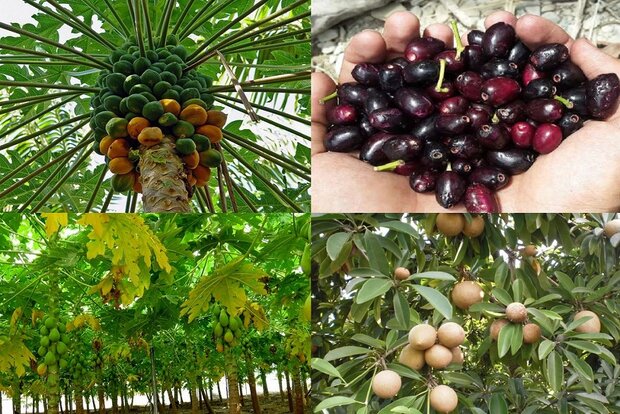
Chabahar mangoes are another iconic product, often harvested in the summer and are enjoyed locally and nationally. Alongside bananas and citrus fruits, these products not only support the local economy, but also serve as beloved souvenirs for visitors.
Nature attractions
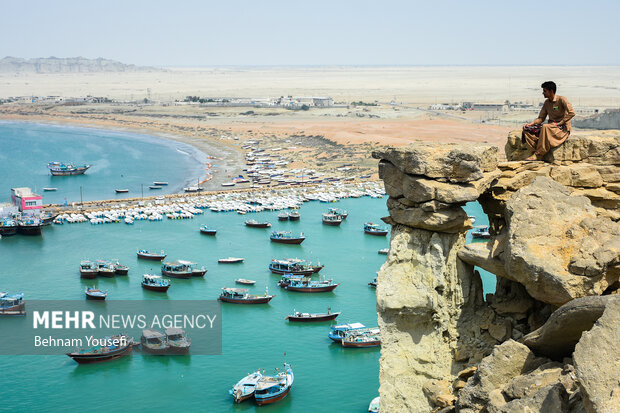
Beyond its rich culture and traditions, Sistan and Balchestan have stunning natural scenery. Among the most iconic sites are Belis Beach and Pier, located near Chabahar. The cliffs of Belis overlook the Omanian seas, creating breathtaking views of turquoise waters encountering dramatic rock formations. The small fishing pier adds charm and offers visitors the opportunity to witness local fishermen at work while enjoying one of Iran’s most picturesque coastal scenes.
Sistan and Balkestan are more than just geographical regions on the map of Iran. It is a land of colour, music, flavor and tradition. It is a land where culture and history meet in everyday life. With warm people, diverse heritage and natural beauty, the province stands as a unique gem of Iranian cultural mosaics, inviting all visitors to experience unforgettable hospitality.
Reported by Marzieh Rahmani