
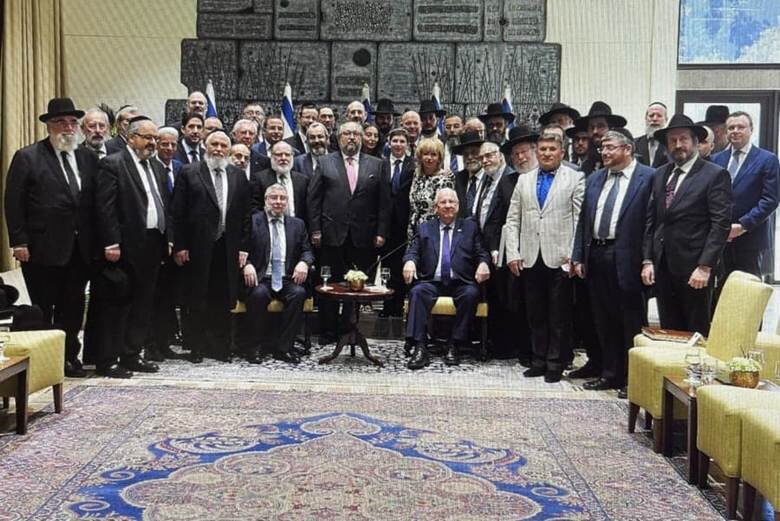
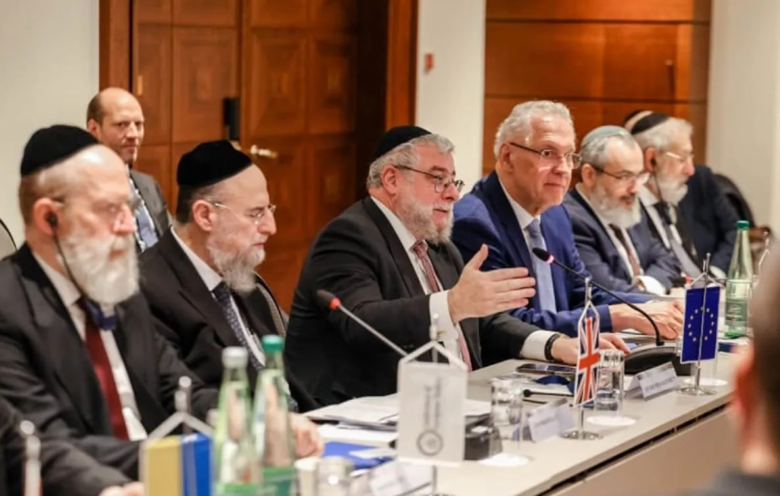
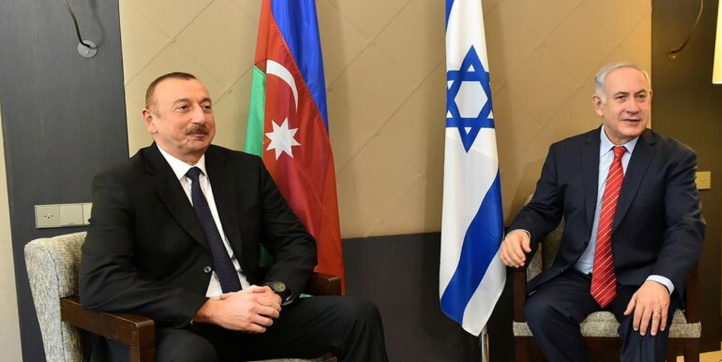
Azerbaijani President Ilham Aliyev is set to celebrate the 70th anniversary of the European Zionist Ravis conference. The event is expected to attract nearly 500 Jewish rabbis from around the world. According to Jewish and Zionist media, the conference will be held in Baku from November 4-6, and may feature official representatives of the Israeli regime.
Organized under the banner of the 70th anniversary conference of Jewish religious groups around the world, the rally will focus on issues such as the expansion of Abraham’s agreement launched during the Trump administration to normalize relations between Israel and the four Arab countries. The event has been active since 1956 and is now held by a conference of European Orthodox rabbis, covering more than 700 Jewish religious leaders in Europe.
This is the first time such a conference has been held in a Muslim country with the explicit purpose of promoting Zionist Judaism. This is an act that not only triggers a response within Azerbaijan, but also inevitably leads to negative reactions from Palestinian supporters and freedom-loving nations, Islamic Umma.
In this regard, Ali Akbar Velayati, a senior adviser on international affairs to leaders of the Islamic Revolution, is called hosting the Zionist Ravis conference in a Muslim country and is called “deeply surprised and sad.” He described the move as “anti-Islamic,” expressing his hopes that the report would prove inaccurate.
Belayati further said this was the first time such a violation was made by the government of Azerbaijani. “The main goal of this conference is to expand the Abrahamian agreement and portray Azerbaijan and other Muslim countries in Central Asia,” he said.
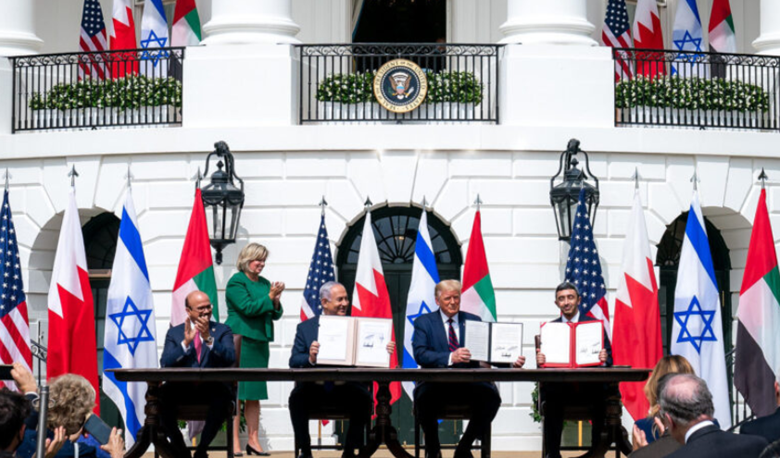
Multiple objectives of the Zionist regime in holding meetings in Baku
1. Expand Abraham’s agreement and normalize it with Tel Aviv
One of the clear objectives of the conference is to promote normalization of relations between the Zionist regime and the Muslim country. Israel is trying to pave the way for Azerbaijan and subsequently other Central Asian countries to participate in the Abraham Agreement by holding events under the guise of a “religious conference.” Choosing Baku as host marks Israel’s attempts to open new fronts in the South Caucasus and Central Asia, tightening the political and cultural siege of Iran and the axis of resistance.
2. The impact of cultural and religious soft power
Israel has long invested in soft power. Convening such conferences in Muslim countries is a step towards justifying Zionist Judaism, which is at the heart of the Islamic world. Tel Aviv aims to convey that the open presence of Jewish religious systems in Muslim countries is not only natural, but also a sign of religious tolerance. In reality, the conference is trying to reconstruct the story and normalize the existence of Zionists in the minds of the Muslim population.
3. Geopolitical exploitation of Azerbaijan locations
Azerbaijan’s unique position, neighboring Iran, Russia and Turkey, are valuable foundations for the Zionist regime. The Zionist regime has repeatedly attempted to use Azerbaijan’s territory to put pressure on Iran by expanding security and intelligence relations with Baku. The Rabbis’ conference in Baku has expanded its scope by adding religious and cultural aspects to this cooperation.
4. Demonstrate international legitimacy and status
Amidst the question of internal crisis and legitimacy, Israel is constantly seeking an international platform to demonstrate its existence. The Muslim nation hosting events with Zionist participation effectively destroys the taboo of Israel’s existence in the Islamic world. Tel Aviv sees this as a major propaganda victory.
5. Send a message to Muslim countries in Central Asia
By choosing Baku as the host, Israel sends a direct message to the majority of other Muslim Central Asian countries, such as Kazakhstan, Uzbekistan and Turkmenistan. It is possible to normalize, with Azerbaijan leading the way. This shows a prelude that expands the Zionist influence from the Persian Gulf to Central Asia.
The harmful consequences of the Baku Conference for the Region and the Islamic World
Mainly holding a meeting of Zionist Rabbis in Baku will undermine the Islamic and Shia identity, primarily in Azerbaijani. People who lived under Islamic culture for centuries and dedication to Aal Al Beit (AS) now face a government openly leaning towards Zionism. This contradiction between people’s beliefs and government policies sows social and political divisions and erodes public trust in the state.
Through this conference, Israel is consolidating its foothold in the South Caucasus. Previously, Tel Aviv used intelligence reporting and security cooperation with the enemy to monitor the enemy. Now, entering the cultural and religious realms presents a new layer of influence. Such developments disrupt the geopolitical balance of the region and pose a serious threat to the Islamic world.
For Israel, staging such an event in a Muslim country is a victory for propaganda. Over time, it may normalize the existence of Zionist public in the Islamic world and open the door to similar activities in other Muslim countries. This dangerous trajectory directly targets Islamic values, undermines Muslim unity, and calls for urgent attention from Islamic leaders.
Hosting an event in Baku represents the Muslim country turning its back on the Palestinian cause. By introducing these events worldwide, Israel seeks to demonstrate that even Muslim countries have no obstacles to its agenda. This accomplice is trying to undermine the legitimacy of Palestinian resistance and politically separate its supporters.
Furthermore, the conference is at risk of becoming a tool for the sowing sector among Muslim countries. If the government remains silent for political reasons, and when the Islamic movement and its groups condemn the event, the gap between the rulers and the people deepens. Such a rift puts Muslim unity at risk and allows Zionism to advance its division and rules strategy.
Conclusion
If the rabbis conference in Baku proceeds without strong opposition from the Islamic world, it will be a dangerous turning point in normalizing Israel’s existence in Muslim countries. Israel aims to acquire a new base in the South Caucasus while embedding itself culturally and religiously within Islamic geography. Unless checked, this trend will soon become a model for other Central Asian and Arab countries, extending the soft power of Zionism throughout the region.
Baku leaders must recognize that Azerbaijan is not merely hosting religious gatherings, but also staging anti-Islamic projects designed to undermine the Palestinian cause and undermine the Islamic Ummah identity.
This meeting is a clear warning. If Muslims are silent, Zionism gradually penetrates the home. Now is the time for Islamic countries and governments to speak up, stay united, and stand up to this move with vigilance. The future of Islam and the dignity of Muslims depend on today’s response.
MNA/6588485