
From the use of “snapback” mechanisms to the politicization of the International Atomic Energy Agency (IAEA), the balance of nuclear rights and obligations has become a central issue in Western Asia’s security.
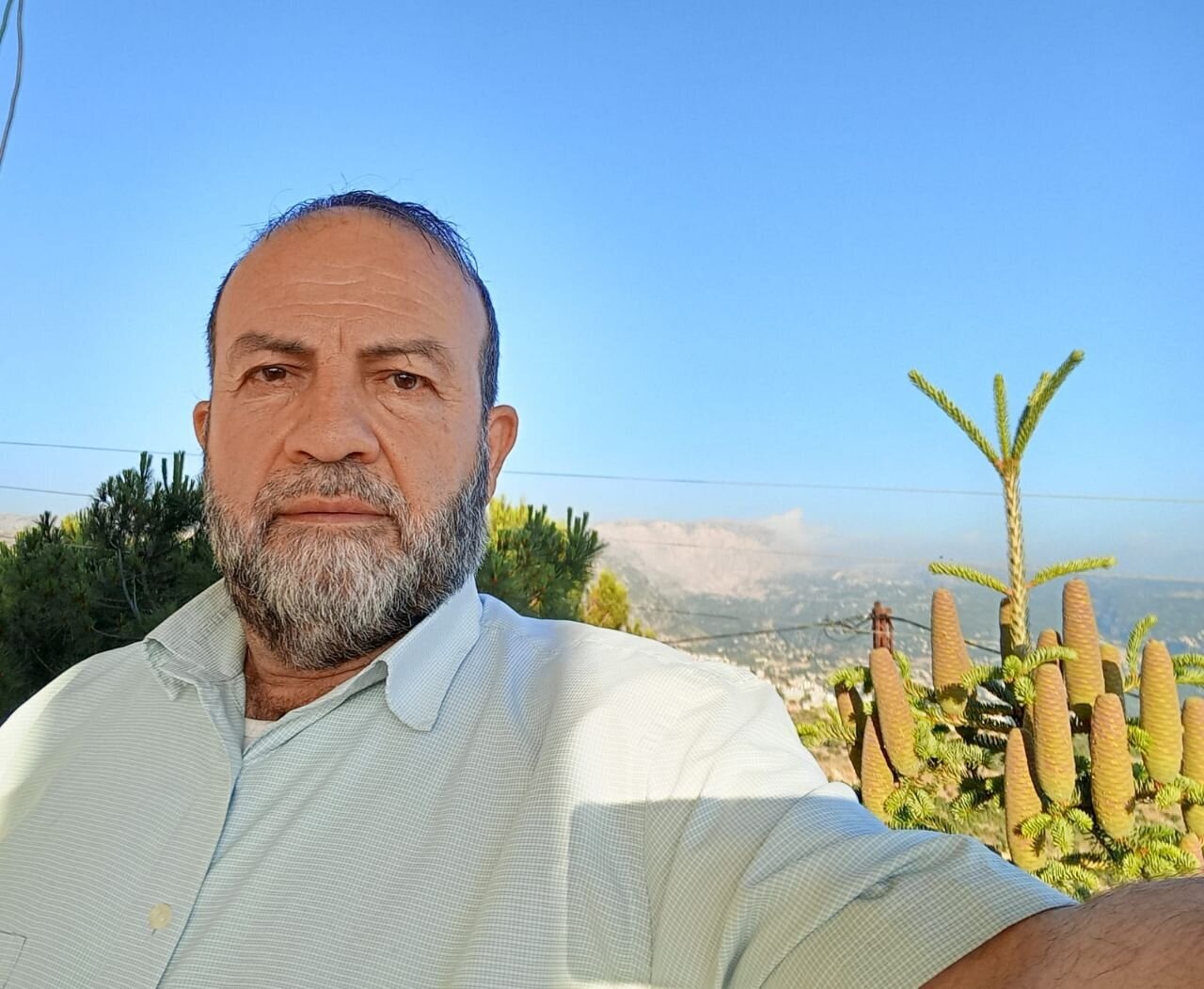
To explore these complex dynamics, Tehran Times conducted an exclusive interview with Dr. Khaled Hussein, a renowned scientist and university professor. Dr Hussein, a graduate of nuclear physics at Claude Bernard University in Lyon, France and a member of the Lebanese Nuclear Research Council, provided a detailed perspective on Iran’s rights under the NPT, the challenges posed by sanctions, and the broader impact of Israeli pressure on regional stability.
Below is the full interview:
How do you assess Iran’s rights under the NPT (Non-Strengthening Treaty) and to what extent are these rights respected internationally?
Iran has the right to the peaceful use of nuclear energy. Iran is never suited to prohibited use, complies with international standards on the shortage of nuclear weapons and respects international treaties, while others violate the treaties without UN accountability.
How will your assessment of the use of “snapback” mechanisms by European countries limit Iran to pressure and affect the reliability of international law?
The snapback mechanism since the Obama era gives the United States the right to return to the Security Council resolution and fall into enforcement within 30 days without veto from Russia and China.
This mechanism is used only once and despite its threat I have been leaning towards its non-implementation. Because there are many differences between America and Europe, and the United States is at great risk to international isolation and the safety of the Mediterranean basin. Therefore, I am leaning towards destroying the 5+1 agreement from the foundation and looking for a formula for a postponement and a new agreement rather than wasting international law.
In your view, is the International Atomic Energy Agency (IAEA) acting neutrally in surveillance of Iran’s nuclear activity or is it affected by political pressure?
The International Atomic Energy Agency is always biased against Iran, but Grossi is reliable and keen on neutrality, but most inspectors are under pressure from the US administration, which has appeared in the past.
How will pressures from the US and Israel affect the stability of the Middle Eastern regions, particularly regarding nuclear energy and safety?
As long as the US supports Israel in all technology and security areas, there is no stability in the Middle East.
How do you assess the current state of Iran’s nuclear program regarding technological advances compared to other countries in the region?
Iran is highly efficient in its nuclear programmes and has the capabilities, capabilities and experience of approximately 50,000 nuclear experts. It is 100% committed to the peace of the nuclear program and is keen to full transparency and clarity at every practical step, but Israel is dependent on the United States in everything and does not follow an international nuclear treaty.
What is the importance of uranium enrichment for peace energy purposes? And how do you contribute to Iran’s energy independence?
Uranium enrichment is an important step in the nuclear cycle to generate electricity and radiation therapy, and expertise saves a lot of money for Iran and local, as well as for Iran.
What are the main technical challenges facing Iran due to Western sanctions and limitations on nuclear research?
Iran has faced strong lockdowns for over 40 years. This means that you cannot purchase advanced devices or acquire equipment and latest technology in any field, but you compensate for it with unique Iranian expertise, increase the number of centrifuges from IR1 to IR10, and now have around 0.5 tons of very rich uranium.
Do you think the current international nuclear regulatory framework will adequately balance the rights and obligations of nuclear and non-nuclear states?
International surveillance of nuclear energy is subject to Washington’s direction, does not take into account the rights of nuclear and non-nuclear states, and Washington invokes violations of standards to conquer the government with arbitrary policy.
Regionally and globally, what are the potential consequences of a military strike against Iran’s nuclear facilities?
Iran is very strengthened, at high levels in 12 nuclear centres, and when exposed to attacks or military strikes, these facilities are not subject to complete destruction, but rather the nuclear programme has been delayed by months and what has been attacked will be recovered by Iran’s local expertise. Don’t be afraid of radioactive leaks in this area.
In your experience, have you ever had individuals seeking high positions at the United Nations cooperate with Western governments against third countries?
Of course, Israel and the US are plant agents of all international decision-making centers.
From your perspective, how will Rafael Grossi’s leadership affect the effectiveness and reliability of the IAEA?
Rafael Grossi is a veteran Argentinian diplomat with nearly 40 years of experience in the nuclear file. He was awarded an award from the American Nuclear Association and was re-elected as second-term head of the agency in 2023 amid international challenges regarding the monitoring of the Peaceful Nuclear Energy Program and the supply of nuclear materials. I lean towards the view that Grossi’s approach is based on a gentle, intentional diplomacy, non-attack, purely technical surveillance task commitment, and that he maintains a channel of communication with all parties and avoids politicizing the work of the institution. He manages a delicate balance between Western pressure and Iran’s right to peaceful use of nuclear energy and its focus on safeguards and commitment to all standards, but it cannot ensure that some inspectors are not biased towards Iran in their reports.
Reissued by Tehran Times