
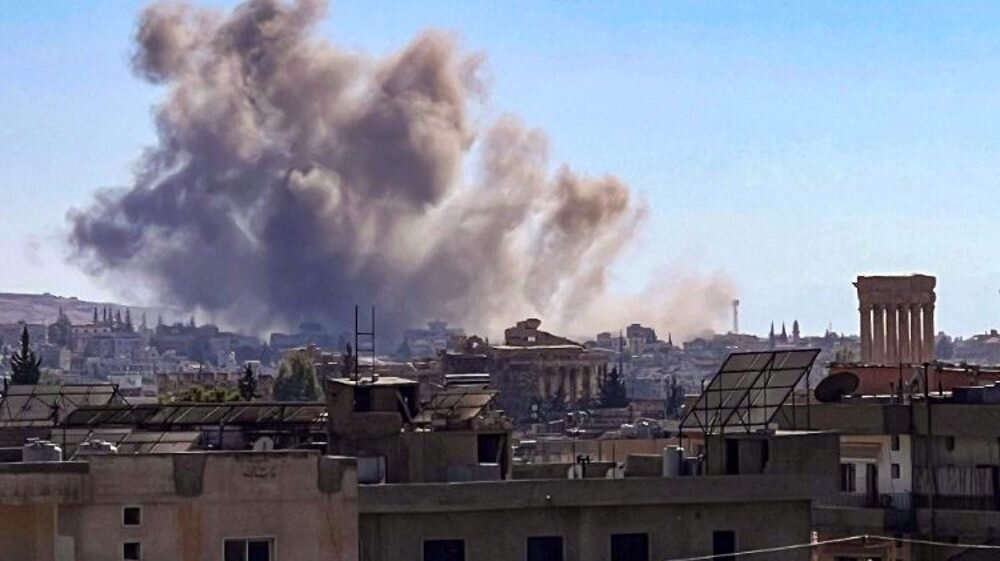
Lebanon’s official National News Agency (NNA) reported that Israeli drones fired two missiles on a vehicle at the western entrance of Yatatown, Nabatier province on Monday, killing one person, citing the local government.
Later that day, the Public Health Emergency Business Centre of Lebanon’s Ministry of Health said in a press release that at least 12 Lebanese civilians were injured in an Israeli airstrike in a building in the Kusar Zaatal district of Nabatier city.
Among the victims were four children and seven women.
After the strike, the two are in a state of crisis.
Israeli forces claimed it had attacked Hezbollah headquarters in southern Lebanon on Monday night.
Given the serious losses that occurred in the nearly 14 months of conflict and the failure to meet the targets of an attack on Lebanon, Israel was forced to agree to a ceasefire in the Hezbollah Resistance movement, which took effect on November 27, 2024.
Since then, Israeli forces have been attacking Lebanon. Lebanon is accompanied by air strikes and therefore violates a ceasefire.
On January 27th, Lebanon declared its decision to extend the ceasefire with Israel until February 18th.
Nevertheless, Israel maintains occupation of five important locations in southern Lebanon, including Lovebune, Mount Bratt, Owaida Hill, Ajiyu and Hamamis Hill. All of these are near the border.
Despite almost daily Israeli airstrikes and continuing violations of Lebanon’s airspace and sovereignty, Hezbollah remains the only reliable military organization capable of challenging the occupation and blocking additional Israeli invasions.
When demanding that Lebanese resistance groups be disarmed from Washington and Israel, many individuals within the Arab state argue that such attempts overlook the underlying issue of Israel’s ongoing violation of Lebanon’s sovereignty.
rhm/