
The White House announced Thursday that its first exemption since 2018 will end on September 29, Press TV reported.
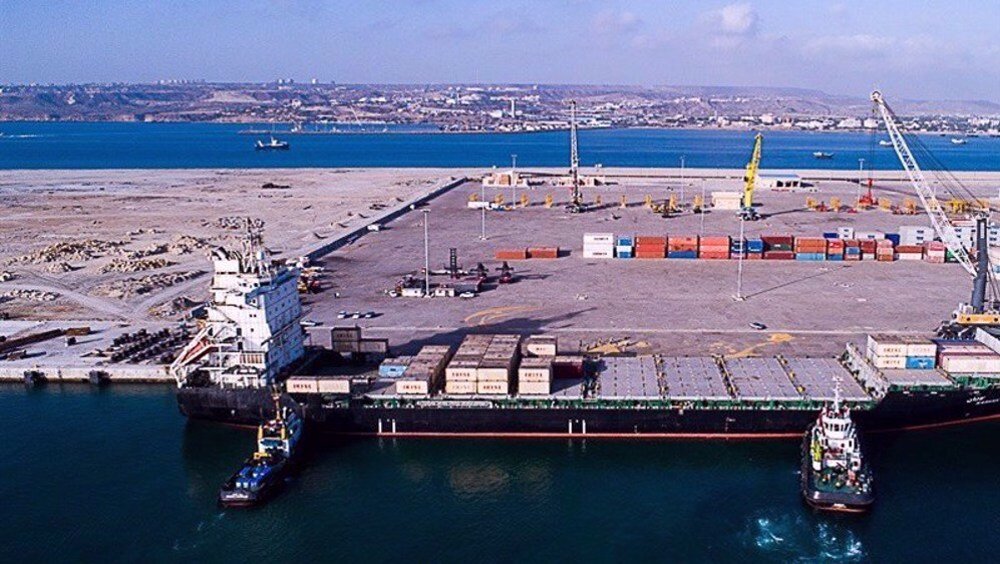
The exemption allowed India to develop the Shahid Beshti terminal in Chabahar, which is considered an important gateway to Afghanistan and Central Asia. Withdrawal, entities involved in the project may face penalties.
US State Department spokesman Thomas Piggott said the decision was in line with the Trump administration’s so-called “maximum pressure” policy. He said the cancellation means that people and companies engaged in the port operation could be subject to sanctions.
Located in Chabahar, the port will provide India with access to more than Afghanistan, while also providing larger connection schemes such as the international north-south transport corridor.
India already provides $25 million worth of equipment, ships groceries from the port and signed a 10-year contract in May 2024. Under that agreement, India pledged to invest $120 million and provided an additional $250 million credit line for infrastructure upgrades.
The exemption was originally granted in recognition of the importance of harbors to stabilize Afghanistan and promote humanitarian cargo.
Meanwhile, Iran has long denounced Washington’s dependence on sanctions. Tehran officials have described this approach as a “addiction” that has been persisting since the 1979 revolution, and various Iranian entities have been repeatedly targeted under the pretext of changing.
Meanwhile, the sanctions are due to tensions between New Delhi and Washington already rising under the Trump administration. Earlier this year, the White House imposed a 50% tariff on Indian goods, doubling the previous rate.
MNA