
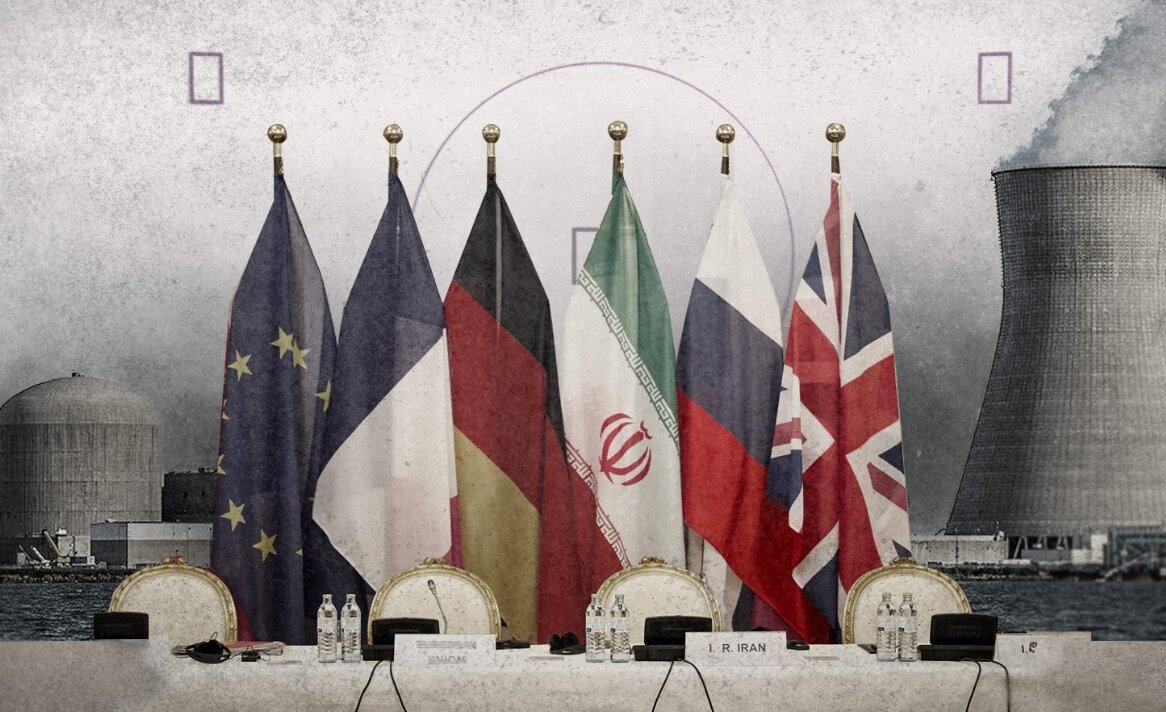
Such narratives seem to be primarily intended to increase psychological pressure on Tehran, as some Western media claim that snapback mechanisms will significantly reduce Iran’s oil exports.
On Friday, the UN Security Council convened to consider a resolution on “continuing Iran’s sanctions relief” before the 30-day deadline for the snapback process expires. Nine members of the Security Council voted against the extension of Iran’s sanctions relief, but only four members voted in favor, and two abstained.
Based on the snapback mechanism, this means that a resolution was not passed to continue sanctions relief, and the Security Council effectively approved the reinstatement of UN sanctions on Iran.
Security Council vote collapse:
Opposition: US, UK, France, Greece, Denmark, Slovenia, Panama, Sierra Leone, Somalia
Benefits: China, Russia, Pakistan, Algeria
Abstaining: South Korea (President of the Council) and Guyana
The resolution to expand sanctions relief failed due to obstruction by the United States and its western allies. During the meeting, Russian envoys stressed that signatories of Iran’s nuclear deals have no legal right to revive UN sanctions against Tehran. He added that the efforts of the European triocas to regain sanctions lack legal justification and reflect the diplomatic rejection of Iran’s nuclear program.
Will snapback sanctions halt Iran’s oil sales?
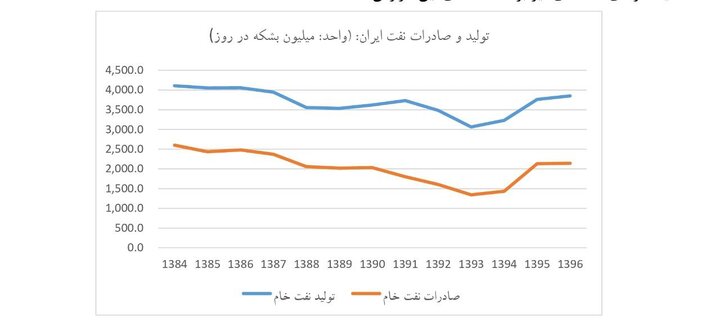
Data on Iran’s oil production and exports were from the beginning of 1389 (from March 21, 2010) when Iran maintained stable production and exports of more than 20 billion barrels per day until early 1391, when 1929 (heavy UN sanctions on Iran) was adopted.
However, since 1391, it has been unilateral US sanctions (not UN measures) that have affected Iran’s oil sales. These sanctions were reimposed in 1397 after the US withdrawal from the JCPOA, but their impact was significantly reduced.
Psychological war or real influence?
Evidence shows that the move is almost symbolic and psychological, contrary to some Western reports that suggest that snapbacks will directly reduce Iran’s oil exports. This mechanism cannot impose any limits beyond those already in place by US financial sanctions.
This was echoed by Mohsen Paknejad, Iran’s Minister of Oil. He said two weeks ago that these sanctions were not expected to exceed what the US Treasury Department’s unilateral restrictions have already been imposed.
He added, “We have no issues selling oil right now. We sold 21,000 barrels per day, compared to last year, and about 630,000 barrels a month.”
Therefore, it is clear that Western countries are unable to impose additional restrictions on Iran’s oil exports due to the illegal activation of snapback mechanisms. Instead, they aim to strengthen psychological pressure through media stories. According to political analysts, such propaganda is more about producing false results in the West than affecting Iran’s oil sales.
MNA/6594683