
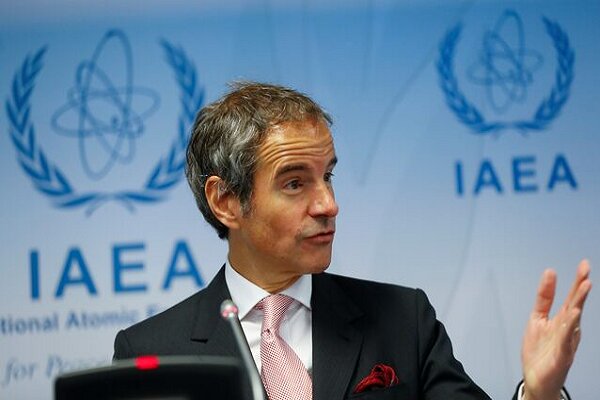
Rafael Grossi, director of the International Atomic Energy Agency (IAEA), described the situation as a difficult and complicated to activate the snapback mechanism and reimpose sanctions on Iran.
Addressing concerns about whether these developments could derail nuclear negotiations, Grossi said, “I don’t think this will happen.”
He emphasized the need to distinguish between snapback mechanisms. This certainly has an economic impact due to the return of sanctions and the continued relationship between Iran and the IAEA.
Grossi emphasized that cooperation between Iran and the institution is continuing and should not be subject to the activation of snapback sanctions.
Speaking to Al Jazeera, Grossi added that as Iran warned, if snapback sanctions are activated, it will affect Iran’s relationship and cooperation with the IAEA. He noted that this is why there was a recent intense diplomatic activity involving the European Troika, Iran, the IAEA and the US in order to find a path forward.
When asked about his satisfaction with Iran’s cooperation following the recent agreement with the IAEA, Grossi described it as an ongoing process. He explained that recent attacks on Iran’s nuclear facilities have caused significant damage to the country’s nuclear infrastructure, and temporary testing needs to be stopped as the facilities are being fired. He emphasized that now we must make an effort to restore the previous surveillance system.
Grossi also explained that Iran passed national laws to establish a new mechanism for consenting to testing. He emphasized the importance of sitting together to address the alignment of these frameworks. The new Iranian law places obligations on its own side, not on the IAEA, but the agency must listen to Iran’s concerns. At the same time, Grossi reminded me that if Iran wants to remain a member of the Nuclear Non-Proliferation Treaty (NPT), it must comply with certain obligations.
MNA/