
For decades, the Israeli regime has predicted an image of intelligence and military superiority. Operation Al-Aqsa Storm shattered the concept on one morning. The operation irreversibly defeated the enemy’s powers. Therefore, the Israeli regime was humiliating before the world.
The operation exposed hidden things, including the destruction of hospitals, schools and mosques, the massacre of children and women, and hypocrisy of those who claim to defend human rights. All these crimes have been revealed to the world. Resistance to permeate areas under Israeli control, seize military status and capture Israeli officials has dealt a psychological and strategic blow to the occupyers, which have not been seen since 1948.
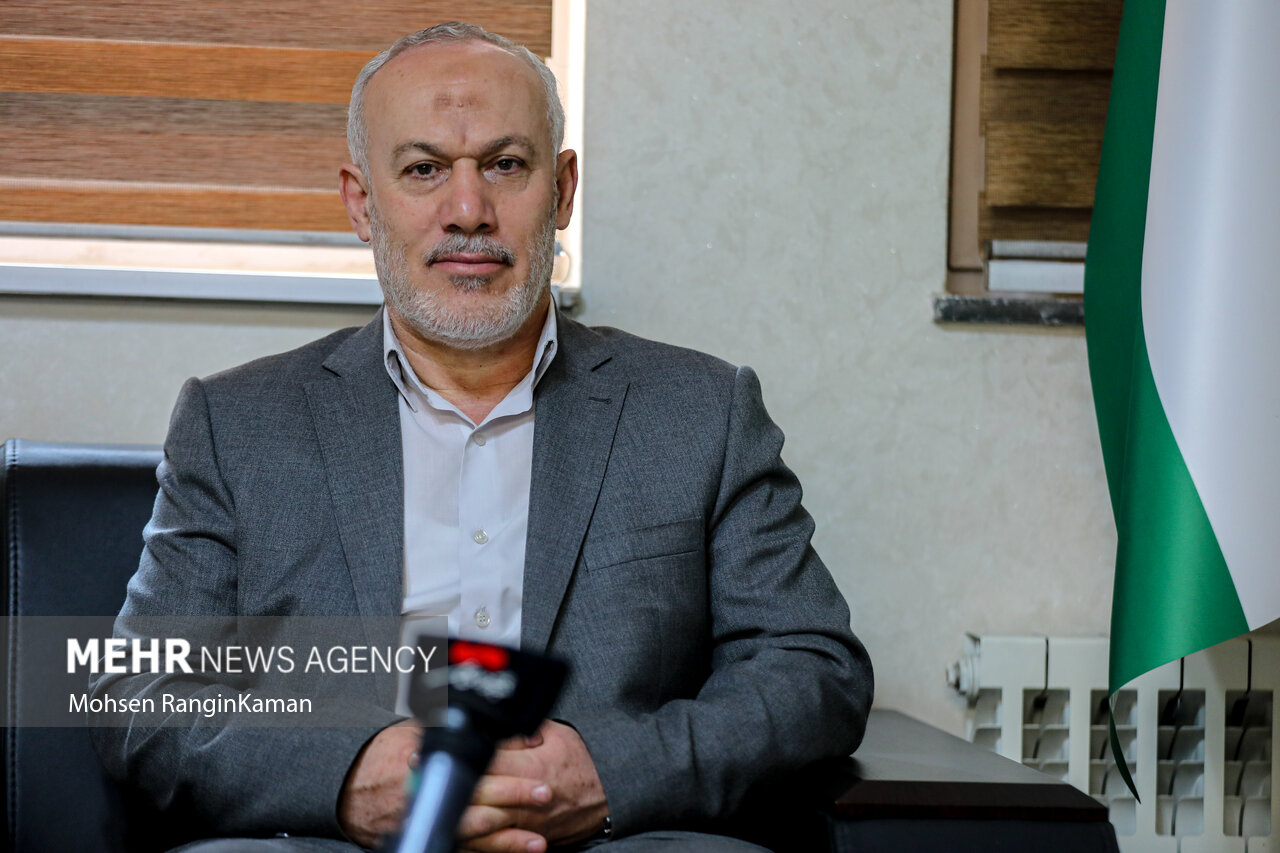
On the second anniversary of Operation Al-Aqsa Storm, we spoke with Nasser Abu-Sharif, the representative of Iran’s Islamic jihadist movement.
Two years have passed since Operation Al-Aqsa Storm, how has this event been considered in the history of Palestinian resistance?
Operation Al-Aqsa Storm was a turning point as it broke the equation of Israel’s absolute superiority and placed the Palestinian struggle at the forefront of global attention. The new rule of the game is mutual deterrence. The enemy can cause harm, but cannot finish the task. Additionally, the domestic and international costs of attacks have risen sharply against them.
Given the voluntary and general global actions to support Palestinians, such as the shipment of Madreen, Hansala and Smood towards Gaza, what message does Operation Al-Aqsastorm send to Islamic State and freedom-loving people?
Such spontaneous and popular actions include two messages. One message deals with Palestinians defending the Quds and the Palestinian land. Other messages deal with the world, indicating that people are tired of the oppression of Palestinian occupyers and are trying to break the blockade of the Gaza Strip.
What are the current state of the resistance axis and what are their postwar priorities?
Currently, the resistance axis stands at a higher level of adjustment and interconnected deterrence. Priorities on the resistance axis include consolidation of ceasefires and protecting civilians, uniting the Palestinian political path, developing wise deterrents, and accelerating legal and diplomatic efforts to pursue Israeli crime.
How did Operation Al-Aqsa Storm have an impact on Israeli society and the future of Netanyahu’s Cabinet?
Operation Al-Aqsa Storm revealed the regime’s failures, including a crisis of confidence in Israel’s security agencies and the regime’s economic erosion. Even if Netanyahu’s current cabinets have been in place for some time, its strategic horizon is narrow and expensive.
How did the culture of resistance spread among the new generation of Palestinians?
Practical resistance has become the norm. Studying under fire, volunteering, survival entrepreneurship, and producing content in multiple languages define a new generation of resistance culture. Resistance has shifted from a slogan to a way of life.
Has Operation Al-Aqsa Storm created a global front against Tel Aviv’s occupational policy?
yes. It has created not only a military front, but a multi-layered network of moral and legal pressures on Israel. Examples include increasing awareness of the Palestinian state, restrictions on the sale and award of arms to Israel, increased international incidents against the regime, and an intensifying wave of sanctions against Israelis. These are examples of multi-level pressure on the administration.
What does the global response, particularly the position of the Western government, mean for the future of the international order?
Since October 7th, a deep rift has opened between the government and public opinion. The practical message is that international humanitarian law has become the lever to impose costs, and the monopoly of Western narratives is being eroded. We are heading towards ethical and legal multiples that costly professionals.
What effect did it have on aggregation and formation of the resistive axes of the region?
The level of ground coordination between the resistance fronts increased, while the intensity of the collision was successful. The resistance axis has gained clearer functional cohesion and increased its ability to impose sustained costs on Israel.
How did Operation Al-Aqsa Storm make a difference in the deterrent equation?
Operation Al-Aqsa Storm has transformed Israel’s one-sided deterrence into relative mutual deterrence. Even though the impressive power of the enemy should not be underestimated, broad aggression now results in increased costs and political isolation.