
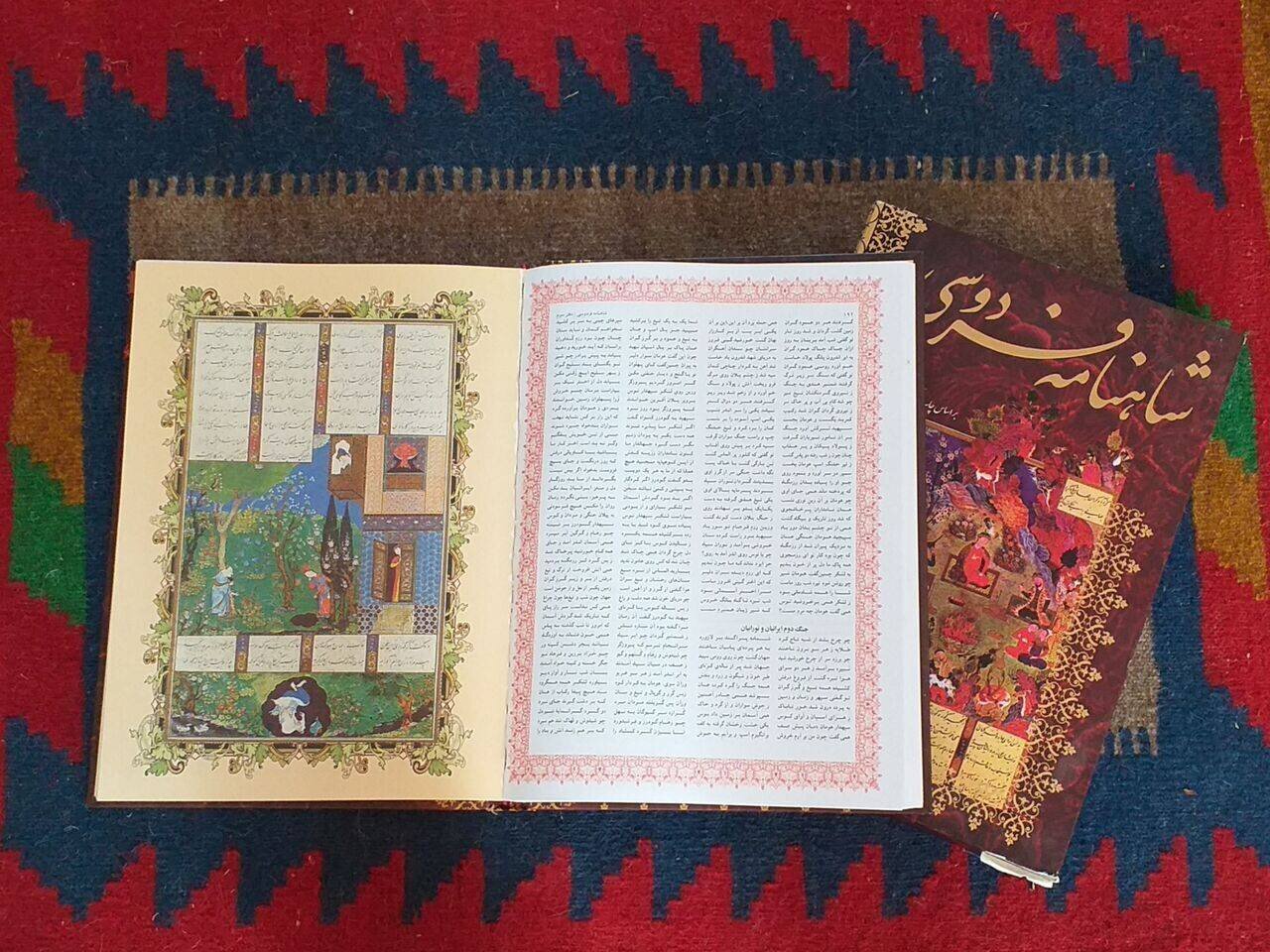
Shahnameh, written by Ferdowsi, is one of the must-read Iranian literature. The poem has been translated into several languages, including English and French.
Literature, especially poetry, is an important part of Iranian culture that has been around for thousands of years. It occupies a very high and important position among the Iranian people.
Ferdowsi’s great work, the Shahnameh (Book of Kings), shines like a star in the vast and beautiful collection of Persian texts.
Shahnameh is a book of epic poetry by the famous Iranian poet Ferdowsi. It depicts the history of Iran from before Islam.

Shahnameh is the world’s longest epic poem written by a single man. This is the most important epic for Persian-speaking peoples and contains the early history of Iran.
Shahnameh influenced many poets who wrote new poetry in Persian.
He spent 30 years writing the great book Shahnameh. By doing this, he took a very important step towards protecting and preserving Persian culture and language.
Containing over 60,000 verses, the Shahnameh is one of the most important epics in the world. It includes the myths, legends, and history of early Iranian kingdoms such as the Pishdad, Kayan, Parthian, and Sasanian kingdoms.
In fact, Shahnameh is like a love letter. It is a letter filled with a magnificent and magnificent picture, deep thoughts, mysterious beauty, love for the motherland, concern for all people, chivalry, courage and love of freedom.
Abu Qassim Firdousi Tusi, or Ferdowsi, was born around 940 AD in the village of Paj in northwestern Iran. This location corresponds to present-day North Khorasan Province. He died around 1020 AD

The most famous story told in the Shahnameh is “The Seven Labors of Rustam.”
Rustam is the ultimate superhero of ancient Persian mythology. Think of him as Iran’s version of Hercules. However, it contains more poetry and a legendary horse named Laksh.
The legendary story of the Seven Labors of Rustam is one of the most famous stories in the Shahnameh.
Familiar to many Iranians and highly acclaimed around the world, this story vividly depicts Rustam’s heroic efforts to rescue King Keikaus of Iran from the clutches of the White Devil.
During his arduous journey, Rustam faces seven major challenges, each one demonstrating his courage, strength, and resilience.
His first battle involves a fierce confrontation with a lion along with his faithful horse Laksh.
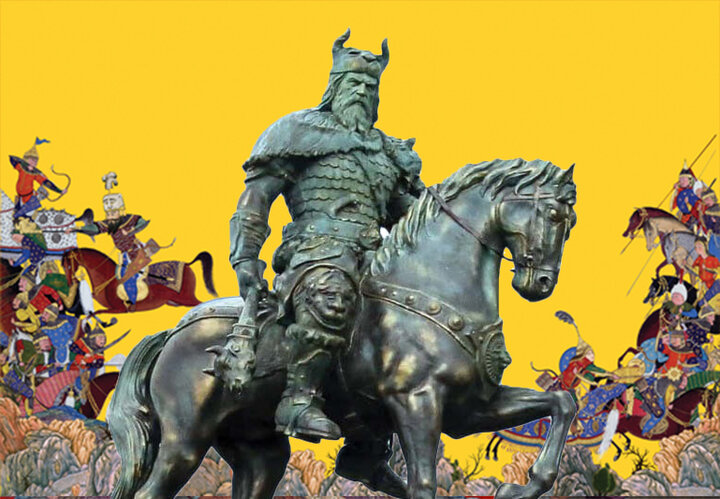
He then endures a harsh and unforgiving desert crossing, battles a fearsome dragon, and eliminates a dangerous sorcerer. The protagonist continues to fight the descendants of Murazban, duels the powerful Arjan Div, and finally faces the White Devil in a decisive battle.
These episodes are rich in intricate details, creating engaging stories that heighten the excitement and admiration of both storyteller and reader.
Beyond its thrilling content, this story provides deep insight into Iranian cultural values, heroism, and spiritual beliefs, and reflects the timeless spirit of Persian tradition.
The legendary Seven Labors of Rustam remain an important part of Iran’s cultural and literary heritage, demonstrating the timeless power of myths and heroes.
A French version of Ferdowsi’s Shahnameh, known as the “Book of the Persian Kings,” was published in France. Translated by Pierre Lecoq and published by the publisher Les Belles Lettres.
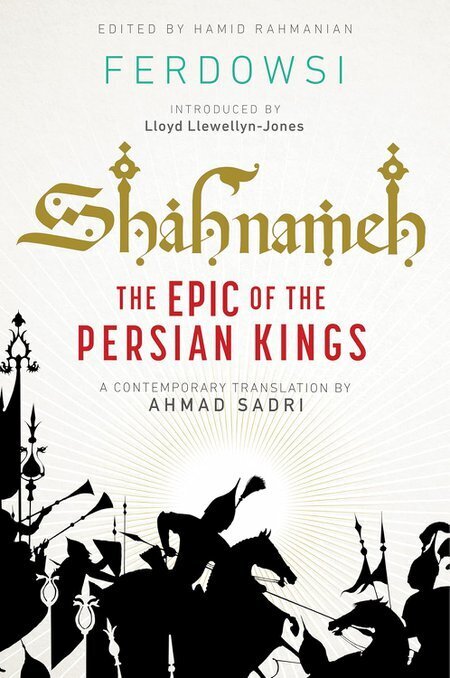
The English version of this masterpiece, called the “Epic of the Persian Kings”, has been translated by Ahmad Sadri.
The Shahnameh is not just an old book of stories. It is the very heart of Persia, expressed in ink and poetry. Ferdowsi did more than just write poetry. He built bridges across time.
He took the myths, history, and languages of civilizations that were on the brink of extinction and immortalized them. For three decades, he interweaved stories of devils and kings, of love for the motherland and the struggle for freedom, ensuring that the Persian identity had a permanent homeland.
His best works, the hero Rustam and the thrilling labor story of the Seven, give us a perfect example.
It’s more than just an exciting adventure. It’s a lesson in courage, loyalty, and resilience. It shows us what it means to face impossible challenges for a greater purpose.
This is why Shahnameh will never be forgotten. It lives on in the hearts of Persian-speaking people and is a testament to their rich culture.
And now, through the amazing work of translators, this treasure is being released to the world.
When the new English and French editions hit bookshelves from Paris to New York, people all over the world will be able to learn about Rustam and his legendary horse Laksh. They can learn about the deep cultural values that have shaped Iran for centuries.
Report by Tohid Mahmoodpour