
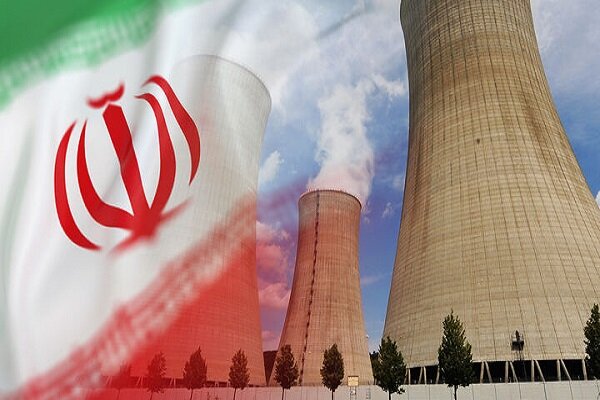
For a country that wants to become strong and independent, acquiring modern science is not an option. It’s mandatory. One of the most important of these modern sciences is the peaceful use of nuclear energy.
Today, nuclear technology and its unique applications have become an integral part of daily life in modern industrialized communities.
The ability of each country or society to benefit from the peaceful privileges of nuclear energy will be a determining factor in the extent and level of nuclear progress.
The strong focus our leaders have put on this path is like a bright light, showing our country’s scientists and professionals how to master this advanced field for the benefit of all people.
In a speech on June 15, 2006, Ayatollah Seyyed Ali Khamenei, leader of the Islamic Revolution, said, “The importance of using nuclear energy and introducing nuclear technology in our country is more important than finding and extracting oil from the ground.”
Then, on April 9, 2015, we went into more detail about why this is so important. He said, “The nuclear industry is necessary for the country, not only for electricity, but also for very important nuclear medicine, for turning seawater into fresh water, for agriculture and many other needs in other areas. The nuclear industry is a top-level industry in the world, and it is an important industry.”
Looking to the future, Ayatollah Khamenei said on February 22, 2021, “Nuclear power plants will undoubtedly become one of the most important sources of energy in countries in the next few years. The day we run out of oil, or find other uses for oil, nuclear power plants will be installed in every corner of each country, producing healthier, cleaner and cheaper energy.”
Today, nuclear technology and its specialized applications are part of everyday life in developed societies. The extent to which a country is able to exploit the peaceful benefits of nuclear energy will determine how far it can progress.
This report looks at the real-life peaceful uses of nuclear energy that help people every day. We’ll see how it gives us electricity, helps doctors treat patients, and helps farmers grow more food.
Stable and clean power source
One of the biggest uses of nuclear energy is to create electricity. Nuclear power is nothing more than electricity created from the enormous amount of heat produced when tiny atoms split apart. This happens in a safe, controlled location called a nuclear reactor. The heat creates steam, which turns a large turbine (like a very powerful fan), which turns a generator and creates electricity.
Think of it like boiling a kettle to create steam. However, it is large enough to power an entire city.
Unlike solar and wind power, nuclear power provides reliable energy that operates continuously regardless of the weather. Nuclear power plants have cleaner air because they don’t produce the pollution associated with burning fossil fuels, which harms health and causes climate change. Additionally, a small amount of nuclear fuel can generate a significant amount of electricity, ensuring a reliable power source for long periods of time.
As the leader mentioned, this power source is not only clean, but also cheaper in the long run. It is clear that this is the power of the future for a growing country.
Healing with atoms: nuclear medicine
For most people, medicine may be the most important use. Nuclear technology has completely changed the way doctors detect and treat serious diseases, saving millions of lives every year.
An important tool is something called a diagnostic radiopharmaceutical. This is a special medical liquid that contains a very small and safe amount of radioactive material. It’s a “tracer”. When a doctor administers it into a patient’s body, it reaches specific organs such as the heart and brain. A special camera can then “see” the tracer and take pictures of how the organ is functioning. This allows doctors to detect problems such as cancer, clogged blood vessels, and other diseases at a very early stage. Catching a problem early often makes it much easier to treat.
Nuclear technology provides a powerful cancer-fighting tool. Radiation therapy uses focused beams of radiation to destroy tumors non-invasively. Alternatively, brachytherapy delivers precise internal treatment by delivering radiation directly to the tumor via small radioactive seeds.
Make surgery safer and instruments sterile
Lasers in medicine and industry are an amazing application of nuclear technology. Precision surgical lasers are used for delicate surgeries on the eyes, skin, and brain because of their accuracy, and are often manufactured and tested using nuclear technology. Additionally, nuclear technology ensures the sterility of medical instruments and prevents the spread of infection within hospitals.
Growing more food: Nuclear technology in agriculture
Nuclear technology can also be of great help to farmers. It helps us grow more food, protect crops, and use water more effectively.
Get rid of pests without using too many chemicals
A major challenge for farmers is dealing with insects that damage crops. Traditionally, they rely on chemical insecticides to control these pests. However, these chemicals can harm soil, water, and our health.
Nuclear science offers a more sensible solution. Scientists can raise millions of male insects in the lab and use small doses of radiation to render them sterile, meaning they cannot reproduce. These sterile males are then released into the field. Even if they mate with a wild female, no offspring will be produced. Over time, the number of pests will decrease significantly. This method, known as sterile insect technology, is safe for the environment.
grow better crops
Scientists can also use radiation to improve plants. By exposing the seeds of crops such as wheat and rice to small amounts of radiation, new, more potent varieties can be developed.
These improved plants are more disease resistant, drought tolerant, and able to grow in salty soils. This allows farmers to produce more food with the same area of land, which is essential for feeding the population.
Save water and keep food fresh
Nuclear power provides important solutions for water and food security. It can power large-scale desalination plants, help locate groundwater sources and detect dam leaks, and irradiate food to extend shelf life, reduce waste, and improve food distribution.
Nuclear technology provides modern society with reliable electricity, lifesaving medical care, and enhanced agriculture. Iran’s efforts to leverage these peaceful applications are a wise and important step toward a more independent, healthier, and more prosperous future for our country.
Report by Tohid Mahmoodpour