
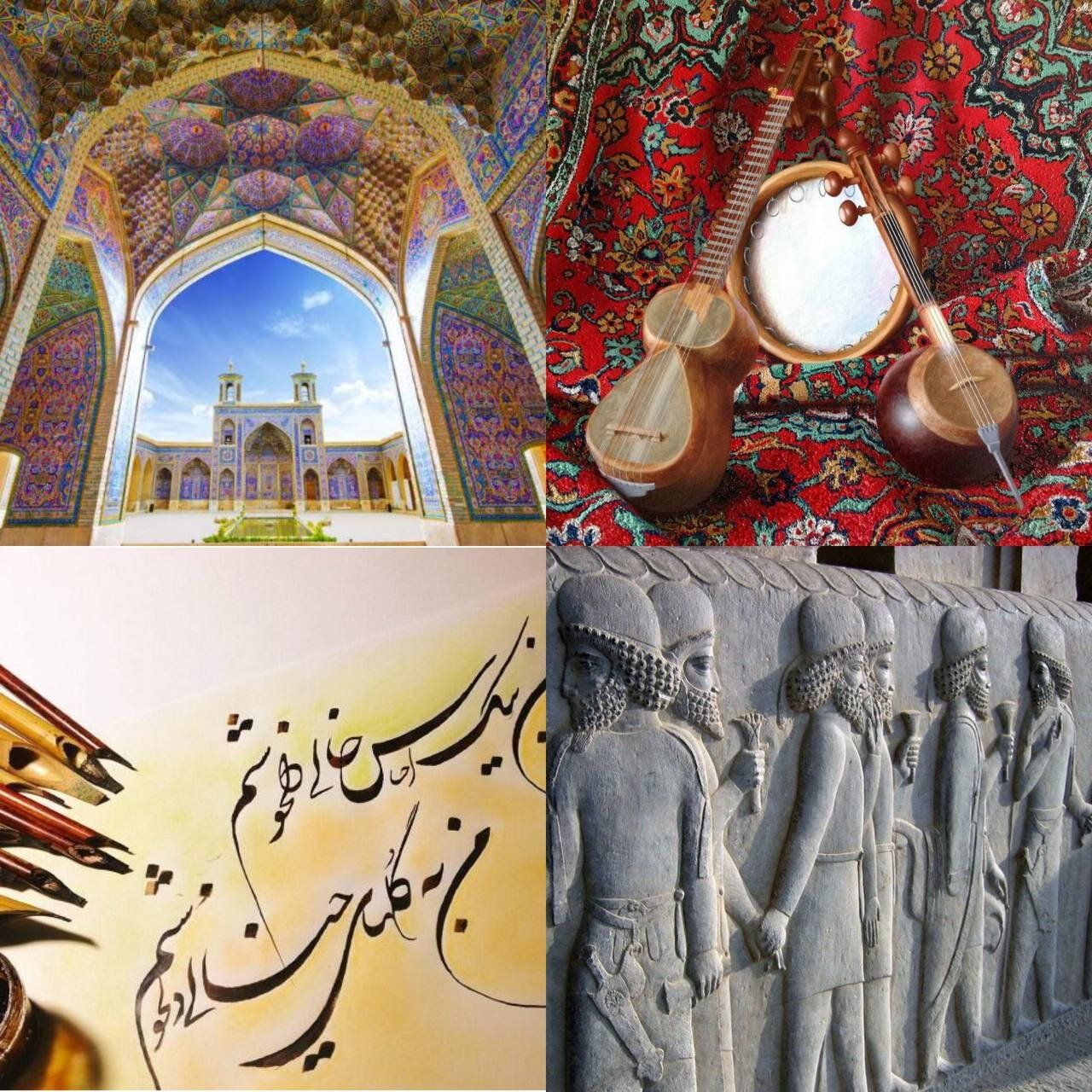
A country of ancient civilizations and deep cultural heritage, Iran has long been a cradle of creativity and artistic expression. From the intricate patterns of Persian rugs to the graceful lines of miniature paintings and calligraphy, Iranian art reflects a deep connection between beauty, spirituality, and identity.
For centuries, Iranian artists have deftly combined tradition and innovation to create works that transcend borders. Isfahan’s architectural wonders, poetry-inspired tilework designs, and the soulful rhythms of Persian music continue to inspire local and global audiences.
Today, a new generation of Iranian painters, sculptors, filmmakers, and photographers are building on this heritage to express contemporary stories while still being rooted in their cultural past. Their work is exhibited in prestigious international galleries and festivals, giving the world a glimpse of Iran’s evolving artistic landscape.
By showcasing Iranian art and celebrating renowned artists, the cultural initiative aims to strengthen global understanding, foster dialogue, and highlight the timeless creativity that defines Iranian identity.
Below you can find some of the most prominent forms of Persian art, reflecting Iran’s rich cultural heritage and artistic talent.
1. Persian miniature painting
Persian miniature painting, known for its delicate details and bright colors, flourished during the Timurid and Safavid dynasties. These small-scale masterpieces depict scenes from Persian poetry, such as Ferdowsi’s Shahnameh and Nizami’s romantic epic, and combine imagination with exquisite precision.

2. Persian carpet weaving
Iranian rugs are among the most admired works of art in the world. From Tabriz to Kashan to Kerman, each region has its own patterns, colors and weaving traditions. Persian rugs are more than just household items; they are a story of harmony, patience and centuries of craftsmanship.


3. Calligraphy
Persian calligraphy, especially calligraphies such as Nastaliq and Shekaste, is considered the “queen of Islamic calligraphy.” More than just writing, it is an artistic dance of letters, often used to express poetry, faith, and philosophy on paper, tiles, and even architecture.

4. Tilework and architecture
From the turquoise domes of Isfahan’s mosques to the intricate mosaics of Shiraz, Iranian architecture combines geometry, symbolism, and color. The art of tilework (Kashi Kali) transforms buildings into breathtaking visual poetry.


5. Persian Music and Instruments
Iranian traditional music is rich and has a deep spiritual dimension. The tradition of Persian music goes back centuries, and many musical instruments have been made in Persia. When you step into the world of Persian classical music, you step into a world that awakens all your senses.

Traditional Persian music played on instruments such as tar, tambour, setar, santoor, kamancheh, tonbak, daf, nai, and chang.
Setars, santoors, and tars are known for their emotional depth and poetic connections. You can feel the rhythm of nature and the spirituality of Persian culture.

6. Crafts and metalwork
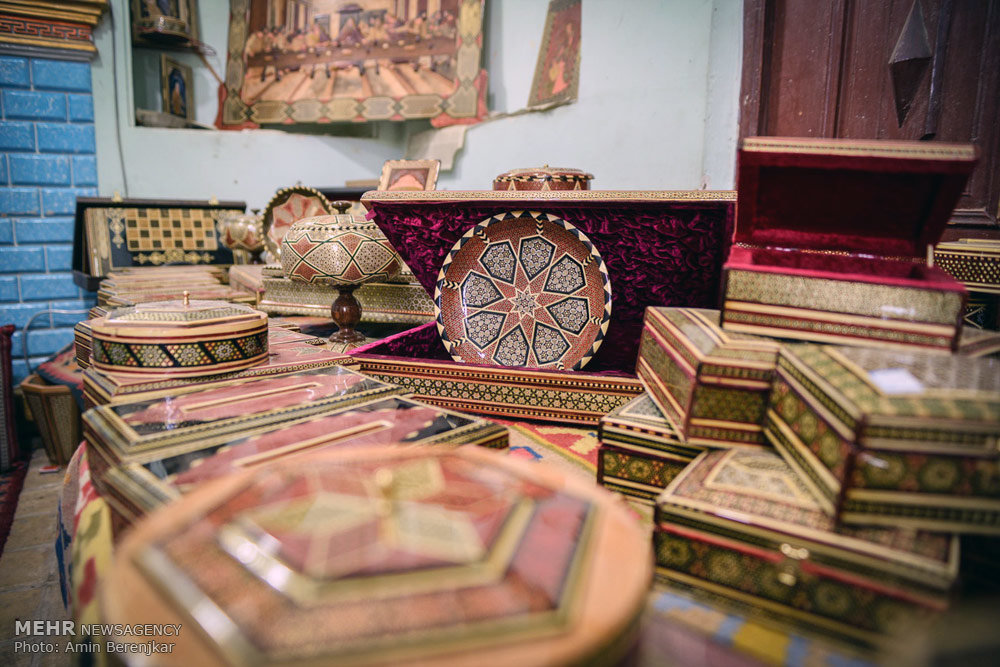
Iranian artisans are masters of fine crafts such as khatamkari (inlay work), minakari (enamel painting), marileh (filigree work), and galamzani (metal carving). These arts reflect both creativity and dedication to beauty in everyday life.


7. Pottery/Ceramics
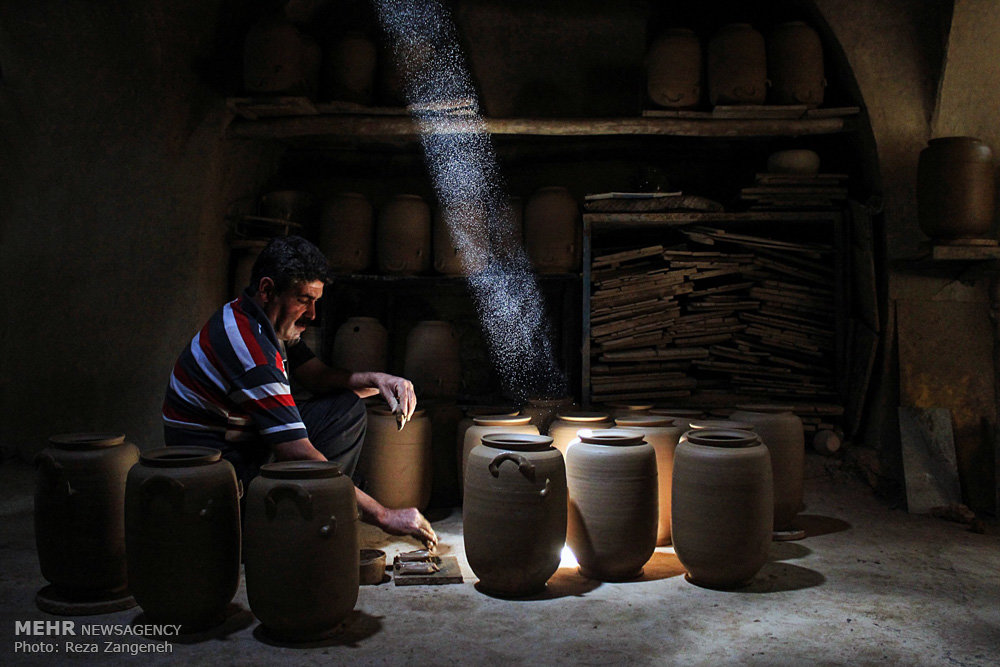
Iranian pottery dates back thousands of years and remains one of the country’s most iconic art forms. Cachan and Lei’s signature turquoise glaze, along with hand-painted bird and floral motifs, reflects both historical continuity and natural beauty.
8. Persian Illumination (Tajib)
Often used to decorate the borders of manuscripts and sacred texts, tajib features delicate floral and geometric patterns in gold and bright colors, symbolizing spiritual perfection and divine beauty.

9. Persian carvings and stone carvings
From the ancient bas-reliefs of Persepolis to modern marble and bronze sculptures, Iranian artists have long expressed power, spirituality, and beauty through stone and metal forms.

10. Mirror Work (Aine Kari)
A dazzling piece of architectural art, Aine Cali assembles small mirrors into intricate geometric patterns that create stunning reflections of light. It is commonly seen at the Shah Cherag temple in Shiraz and the Golestan Palace in Tehran.

11. Contemporary visual art
Contemporary Iranian painters, sculptors, and designers continue to gain recognition both domestically and internationally. Artists such as Parviz Tanavoli (famous sculptor and founder of the “Heech” series), Hanibal Alhas (painter and art educator), Nasroullah Afjei (calligraphy and painting), and Farideh Rashai (visual artist and painter) have contributed to the formation of Iran’s contemporary artistic identity. Their work blends classic Persian aesthetics with contemporary expression, reflecting themes of culture, heritage, and introspection.
12. Movies
Iranian cinema remains one of the country’s most famous art forms. Filmmakers such as Majid Majidi, Ebrahim Khatamikia, Reza Mirkarimi, and Narges Abyal are known for creating deeply human stories that reflect Iranian values, spirituality, and social reality. Their films have received high acclaim not only in the country but also at international film festivals, demonstrating the depth of Iranian art and the richness of its culture.
Report by Marji Rahmani