
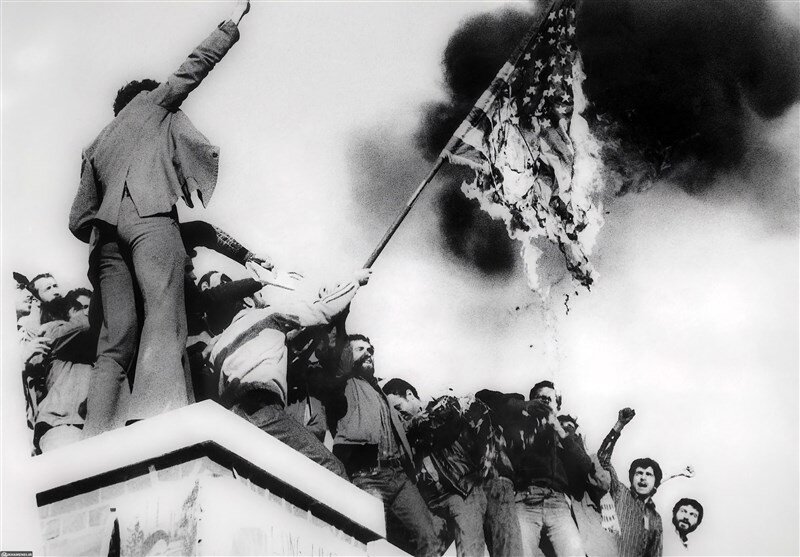
The decades-long hostility of the United States towards the Islamic Republic of Iran can be seen in several conspiracies that have been involved in deteriorating relations between Iran and the United States and creating a constant distrust of the American administration.
The 1953 coup d’état and overthrow of Prime Minister Mosaddegh planned by British and American intelligence, the 1979 overthrow of the US-backed Pahlavi monarchy, and the 1979 takeover of the US embassy by Imam Khomeini Muslim students are considered notable events in the modern history of Iran and the US, along with other hostile US plots.
The victory of the Islamic Revolution was the beginning of America’s failure.
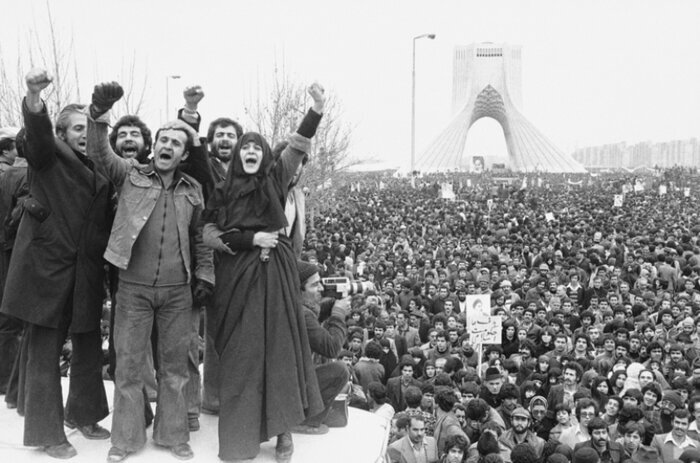
From January 1978 to February 11, 1979, the Islamic revolutionary people of Iran, under the wise leadership of the founder of the Islamic revolution, Khomeini, raised their voices against the secular, US-backed rule of the Shah, who committed many crimes and caused much suffering to the Iranian people.
In early 1979, the Iranian dictator and his family fled Iran on January 16, as mass street protests and Iranian public discontent intensified across the country.
The establishment of the Islamic Republic of Iran (April 1, 1979), following the overthrow of the Pahlavi dynasty and the victory of the Islamic Revolution (February 11, 1979), was detrimental to the arrogant powers that had limited access to Iran’s resources.
The United States was one of the arrogant powers that kept an eye on Iran’s valuable gas and oil resources and the country’s strategic and geopolitical position with the Persian Gulf region.
American hegemony became Iran’s greatest enemy, as the newly established Islamic Republic of Iran adopted an independent foreign policy based on the motto of “neither East nor West” and discouraged foreign interference.
The US embassy in Tehran was seized in 1979.
On November 3, Khomeini, the founder of the Islamic Revolution, gave a decisive speech calling on the Iranian people, students and clerics to thwart the conspiracy of the United States and the Zionist regime against the newly established Islamic Republic of Iran, and to oblige the US government to extradite the fugitive former dictator, who had gone to New York in late October for a so-called feast.
Because the Shah suppressed peaceful demonstrations (1978-1979), plundered national wealth, and tortured and martyred many Iranian Muslims, Imam Khomeini argued that he should be sent back to Iran to face trial and justice in the country.
U.S. interference in Iran’s internal affairs, refusal to extradite the fugitive Shah, and a meeting between some interim government officials and President Jimmy Carter’s National Security Advisor Zbigniew Brzezinski (November 1, 1978) angered Iran and prompted some retaliatory measures.
In response to all the incidents and events, a group of Iranian Muslim university students decided to occupy the US embassy on Taleghani Street in Tehran.
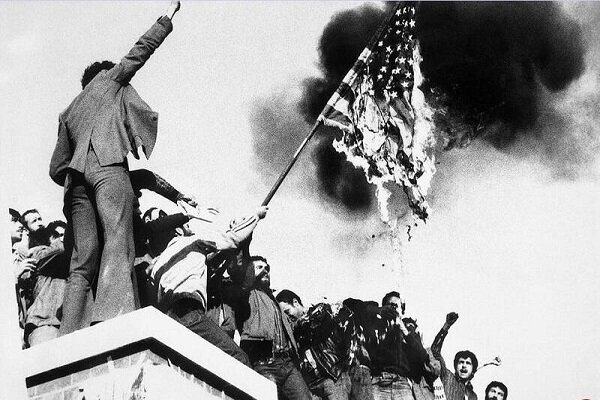
On November 4, 1979, the first anniversary of the massacre of 56 Iranian students by the Shah’s forces and the day Imam Khomeini was exiled to Turkey by the Pahlavi regime (November 4, 1964), people gathered at Tehran University to denounce American conspiracy and interference in Iran.
In addition to civilians, approximately 400 Iranian Muslim students, known as the Muslim Students of Imam Khomeini, stormed the U.S. Embassy.
Embassy security guards prevented the students from entering the central building, but they climbed the gate and entered the central building, where all classified American documents were kept.
In the siege of the US embassy in Tehran, 66 US embassy staff were taken hostage.
Of these 66 Americans, eight men and five women whose espionage had not been proven, were ordered released by Khomeini on November 19, 1979.
The remainder was released on January 19, 1981 through the Algeria Agreement signed by the Iranian and U.S. governments.
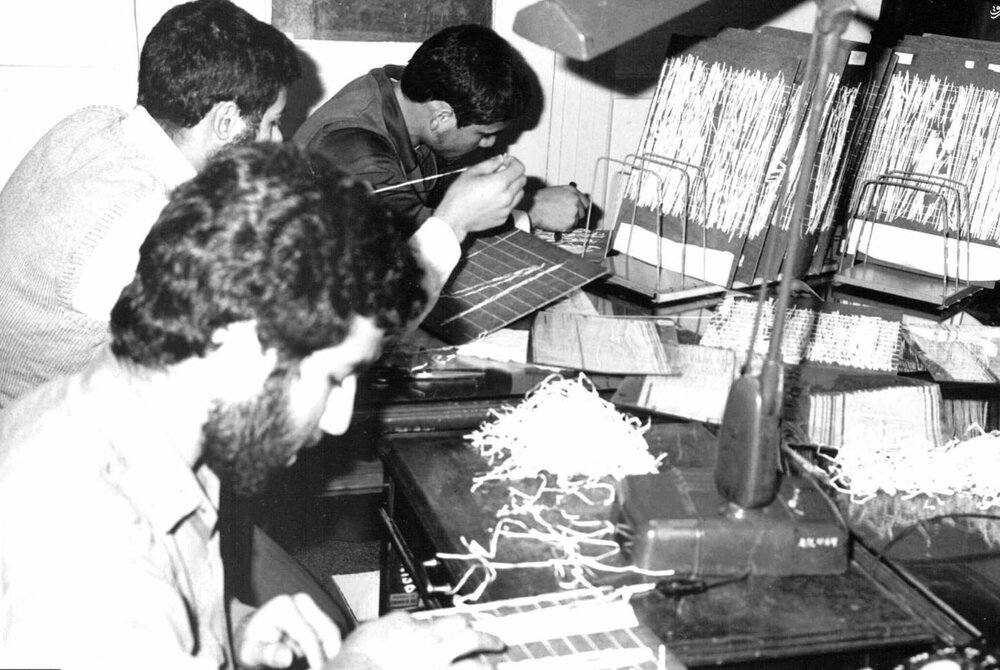
Documents from a US spy den
After taking over the embassy, the students discovered several documents showing that the U.S. embassy in Iran was not a diplomatic center but a front for U.S. espionage against the newly established Islamic Republic of Iran.
U.S. embassy officials attempted to shred U.S. spy documents against Iran, including cables, communications and reports from the U.S. State Department and CIA.
However, the timely arrival of Iranian students allowed them to reconstruct the spy documents several years later, and they were published in a 77-volume publication series called “Documents from the US Espionage Den.”
Imam Khomeini calls the US ‘the great devil’
In a speech on November 5, Imam Khomeini issued a statement of full support for Iranian students, describing their courageous actions as a “second revolution” more important than the first.
The leader of the Islamic Republic of Iran also called the United States “the great devil” and called the occupied embassy a nest of American spies.
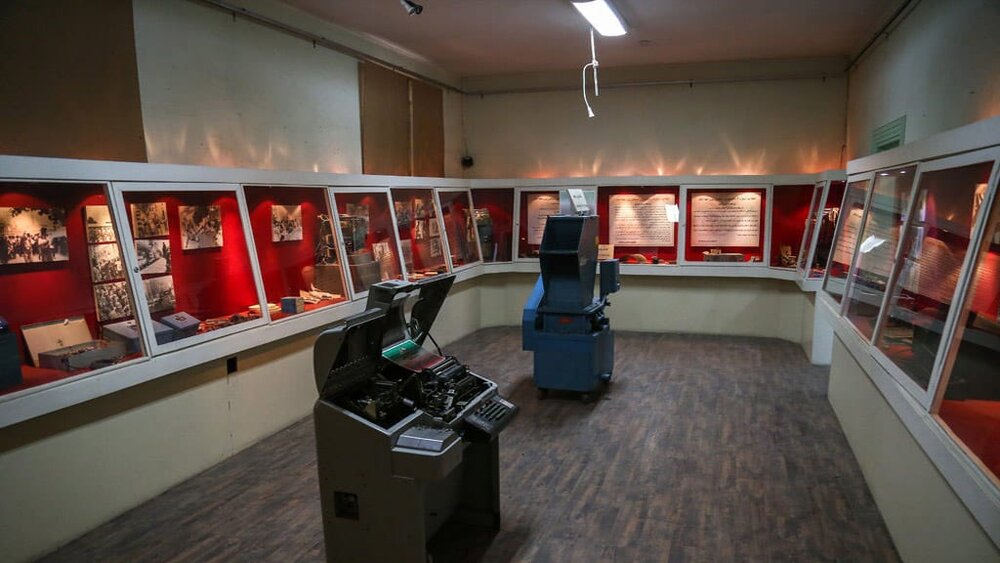
Former US Embassy in Tehran, now a museum
Today, the site is open to the public and foreign tourists, and is now a museum with sensitive contacts, spy equipment, advanced American communication tools, and various documents relating to the secret chambers all on display.
Iranian nation marks occupation of US embassy with mass rally
November 4th of each year is known as Iran’s Students’ Day and the Day of the National Struggle Against Global Arrogance, when all Iranians and school and university students across the country hold mass rallies in the streets to express their disapproval of US policies and honor those who stormed the US embassy, captured operatives, and seized documents revealing a US plot to overthrow the Islamic regime in Iran.
Shouting slogans such as “Down with America” and “Down with Israel,” the Iranian people are speaking out against global arrogance and calling on all Muslims and freedom-seeking nations not to succumb to the bullying of arrogant authorities.
MNA/