
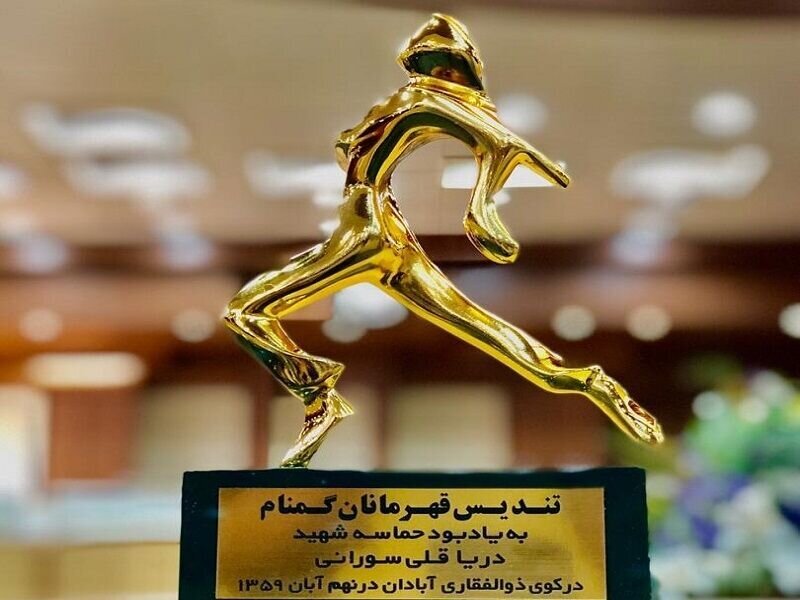
During the ceremony, two outstanding individuals were recognized: veteran Seyyed Hossein Mousavi and the family of martyr General Haji Zadeh, who were presented with statues symbolizing the legacy of the unsung heroes.
Martyr Darya Ghouri Soulani is a name that resonates deeply within the Iranian community. His heroic actions during the Iran-Iraq war are immortalized in elementary school textbooks, where children learn about his courageous efforts to warn the city of Abadan of an impending enemy attack. On that fateful night, Darya Gholi rode her bicycle through the city, warning residents of the advance of Ba’ath forces, and ultimately succumbed to mortar shell injuries at Tehran’s Sina Hospital.
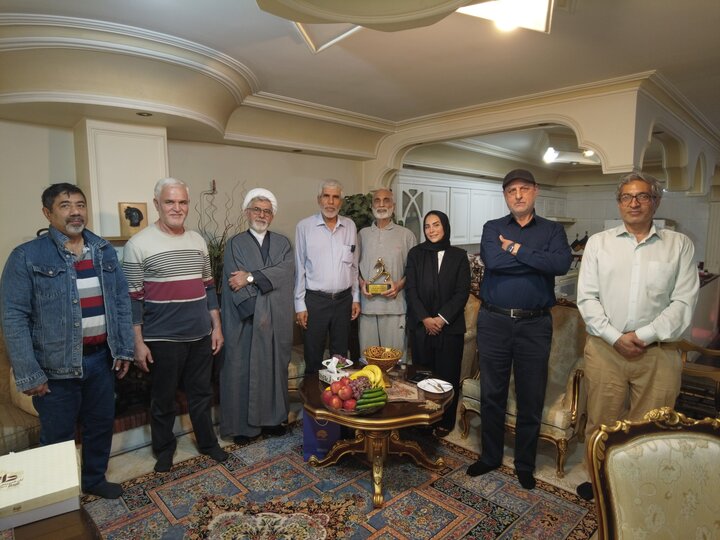
The ceremony was a heartfelt tribute to Darya Gholy’s enduring legacy and aimed to prevent his story from being forgotten. For several years, veterans and artists associated with the Tehran Peace Museum have honored individuals and organizations that exemplify Darya Gholi’s selflessness and dedication to the well-being of the Iranian people.
This year’s ceremony coincided with the anniversary of the Khoi Zolfakari incident in Abadan, marking a significant moment in Iranian history. In an intimate gathering, veterans and local residents celebrated the contributions of Seyyed Hossein Mousavi, an eight-year chemical warfare veteran of the Holy Guard, and the family of martyr General Haji Zadeh, who also made great sacrifices for the nation.
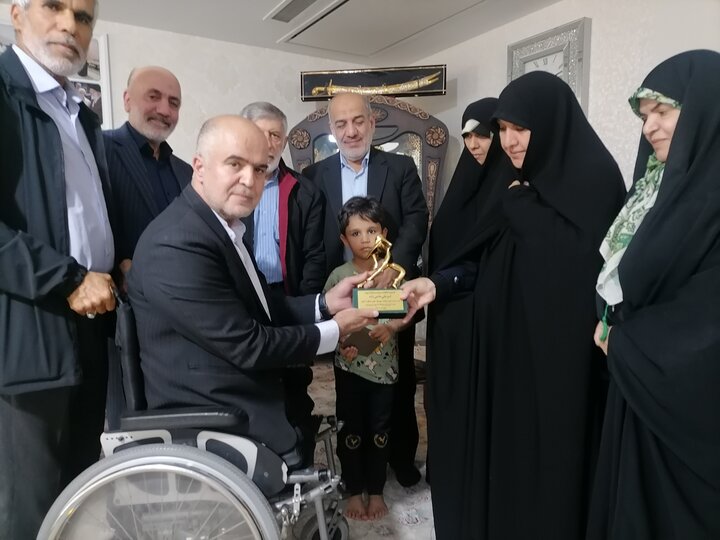
The presentation of these awards is held annually by a committee consisting of Abadan veterans, artists, and representatives of the Tehran Peace Museum. The event will take place between November 9th, the anniversary of Darya Gori’s heroic warning to the city, and November 11th, the day he succumbed to his injuries.
MNA/TT