
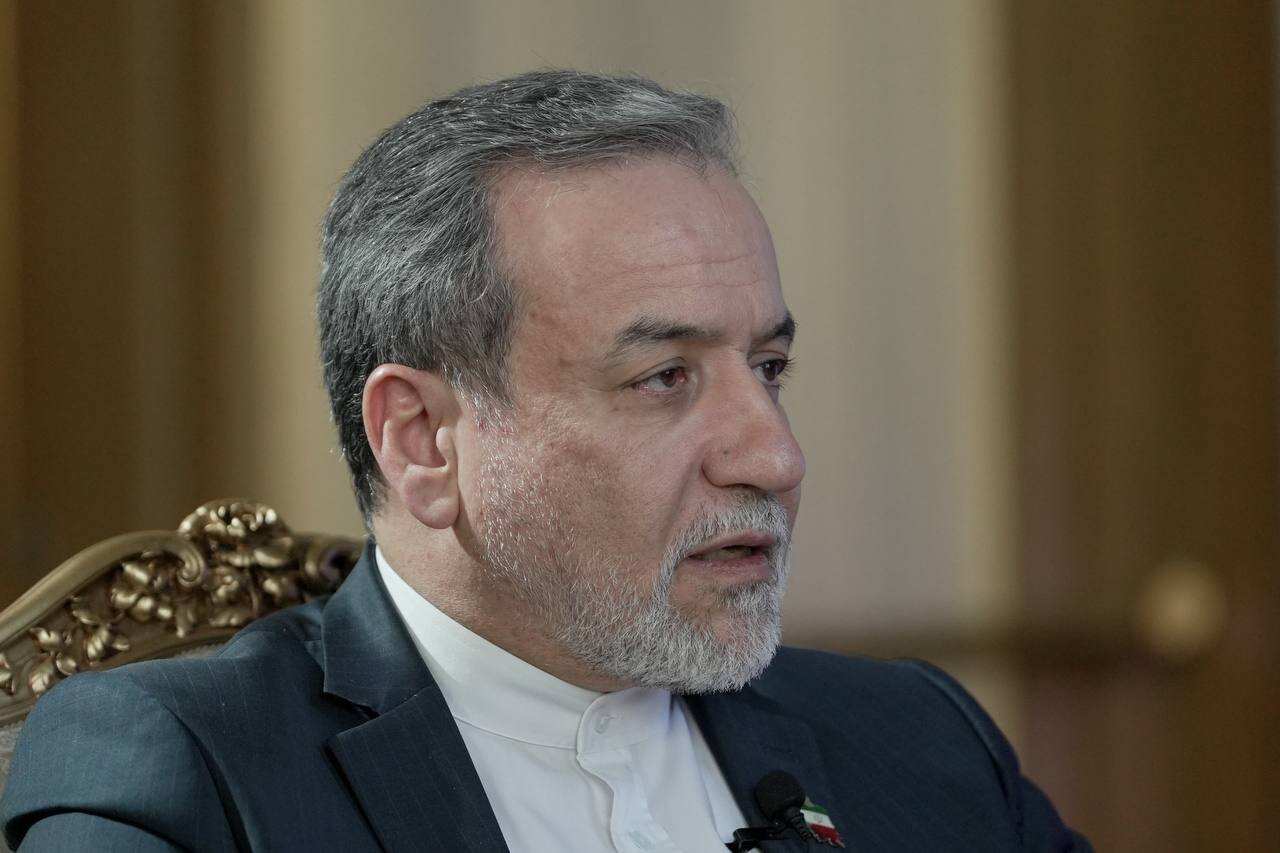
Araghchi said Iran “has never lowered the flag of negotiation and diplomacy,” adding that the United States needs to show it is willing to negotiate on an equal footing. “What we are saying is that negotiations are not the same as oral orders. We are not prepared to listen to orders.” He noted that during the snapback controversy, proposals to block snapbacks were put forward, but the US government continued to make “excessive demands.”
He stressed that it was the United States that betrayed the JCPOA and diplomatic path, and warned that the enemy was trying to create division and weaken domestic unity. He urged that domestic issues should not be turned into major polarization, but should be dealt with calmly and with national unity.
Araghchi stressed that during the 12-day war, the military defended the country and diplomacy worked to protect Iran’s legitimacy, and that “on the ground and diplomacy showed the best example of unity.” He said that decisions on important matters rest with the Supreme Council of National Security, and that the Ministry of Foreign Affairs is responsible for implementing those decisions.
Regarding foreign partnerships, Araghchi emphasized Iran’s “close and strategic cooperation” with Russia and China, warning that adversaries aim to undermine these ties. He warned that certain internal actions could create exactly the kind of duplicity that enemies desire.
He added that Iran had reached “new agreements” regionally and internationally, noting that strengthening ties with neighboring countries remains a priority. Despite some conflicts, regional cooperation is growing. Aragushi said that after the Zionist regime’s attack on Qatar, many countries recognized Israel as a major threat in the region and were more willing to work with Iran as a reliable partner.
Araghchi referred to a question about Iran’s possible withdrawal from the NPT, saying raising such an idea ignores the leader’s fatwa. He noted that there are various aspects of remaining in the treaty that could threaten or enhance national security, adding that the issue was being discussed at a high level. He stressed that Iran’s current decision is to remain a committed NPT member and that the leader’s fatwa “will never be ignored.” He emphasized that this is not an emotional issue, but one that requires careful evaluation by experts.
MNA/85988591