
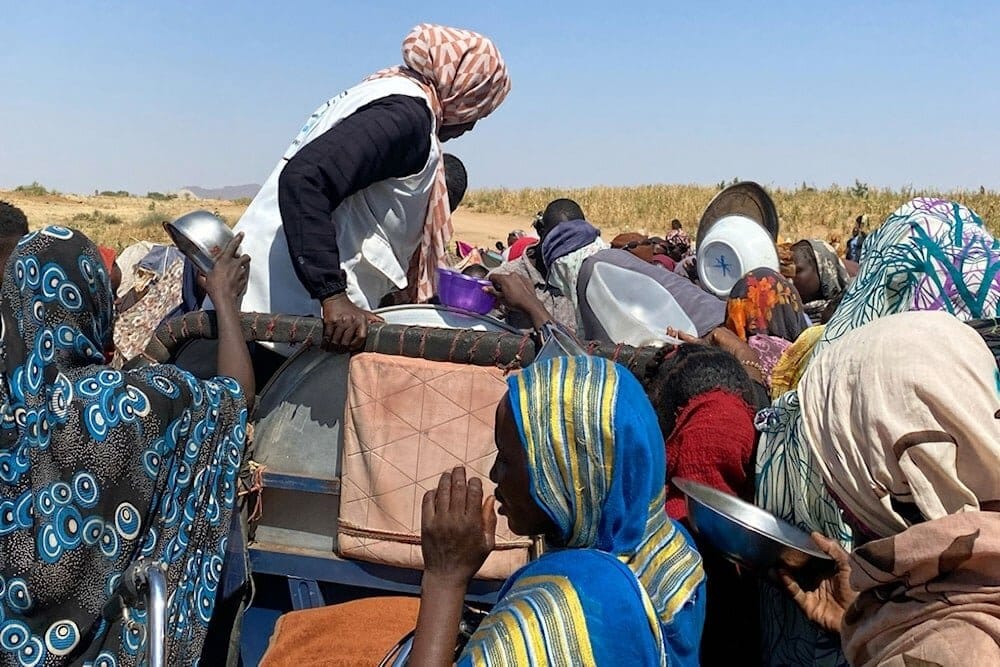
The British government has opposed a stronger civilian protection strategy for Sudan, despite internal warnings that El Fasher risked falling into the hands of the UAE-backed Rapid Support Force (RSF) and facing mass atrocities, a report reviewed by the Guardian has revealed.
Officials at the Foreign, Commonwealth and Development Office (FCDO) have considered four possible responses to prevent large-scale violence during the 18-month siege of El Fasher. One of the proposals was for the creation of an international protection mechanism to protect civilians from ethnic cleansing, genocide and conflict-related sexual violence.
However, citing funding and staffing limitations, officials opted for what was described as the “least ambitious” option, which includes directing £10 million in additional humanitarian aid to organizations such as the International Committee of the Red Cross. The city has since fallen into the hands of the RSF, and thousands of residents remain missing, accused of ethnically motivated executions, rape and forced disappearances.
Shayna Lewis, Sudan analyst at US-based organization Paema, told the Guardian that Britain’s choice reflected a lack of political will rather than a lack of awareness.
“Atrocities are not natural disasters; they are political choices and can be prevented if there is political will,” she said, adding that the UK was “complicit in the ongoing genocide of the people of Darfur”.
The conflict in Sudan has caused what the United Nations calls the world’s biggest humanitarian crisis, with sexual violence particularly rampant in areas occupied by the RSF.
MNA