
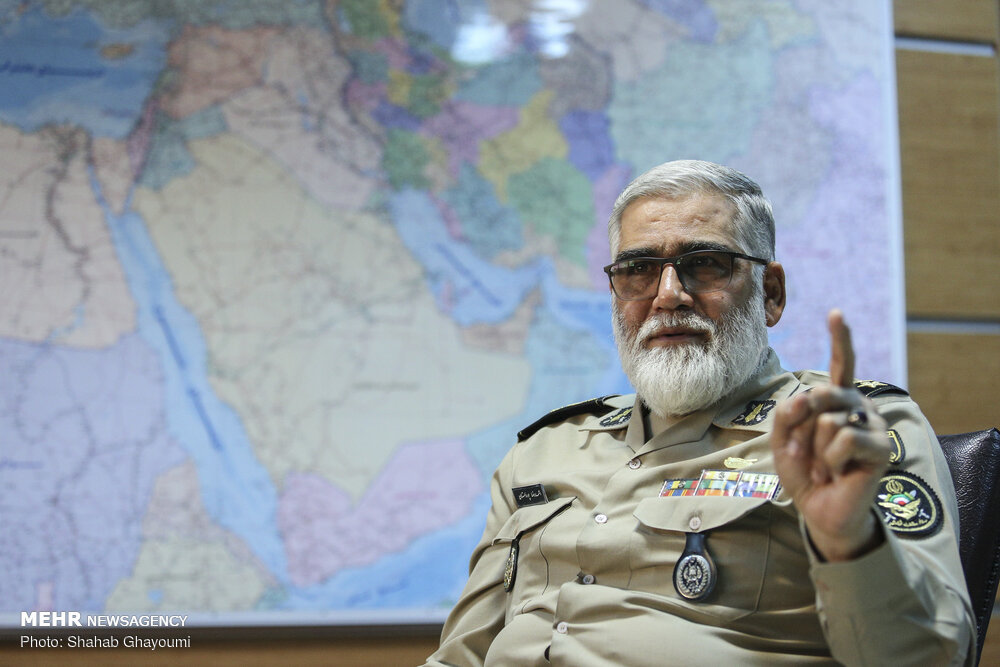
General Ahmad Reza Purdastan, Director of the Center for Strategic Studies and Research of the Armed Forces of the Islamic Republic of Iran, told Mehr correspondent in a recent interview: “The type of operations carried out by the Zionist regime on the first day of the 12-day war were usually a kind of blitzkrieg operation that shocked and confused the target country. It is natural that our military would be initially caught by surprise by such an intense attack. But what is most important in this situation is the period of shock and confusion.”
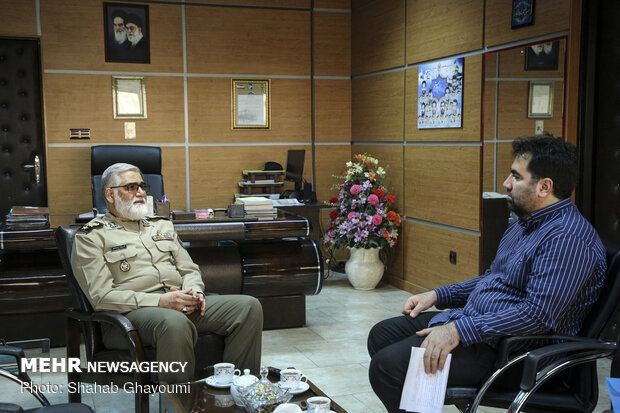
“However, in the 12 days of war imposed, our troops … recovered in less than half a day,” the senior military commander added.
He added that the Islamic Revolutionary Leader, who commands the entire army, quickly replaced martyred commanders and played an important role in the revival and reorganization of the army.
“If it had taken more time to fill the positions of martyred commanders, the return to the offensive would have been even more difficult,” General Purdastan said.
“Although the Zionist regime’s invasion had the necessary preparations in place to counter it, what the enemy brought to the battlefield far exceeded our usual estimates,” he asserted.
“The 12-day war was a rewarding experience,” said a senior commander.
He emphasized that “the capabilities that the Zionist regime, with American support, brought to the battlefield in the Twelve Day War were the result of more than four decades of overt and covert investments in the overthrow of the Islamic regime.”
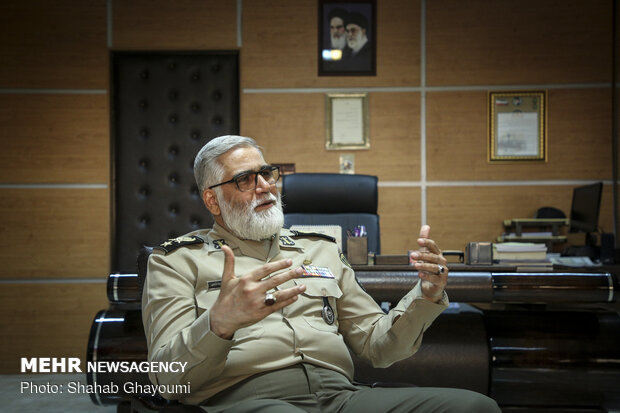
Pourdastan went on to point out that the enemy tried to divide Iran through war, but the result was the opposite.
The senior military commander further claimed that Iranian military capabilities forced the enemy to surrender after 12 days.
MNA/6648332