
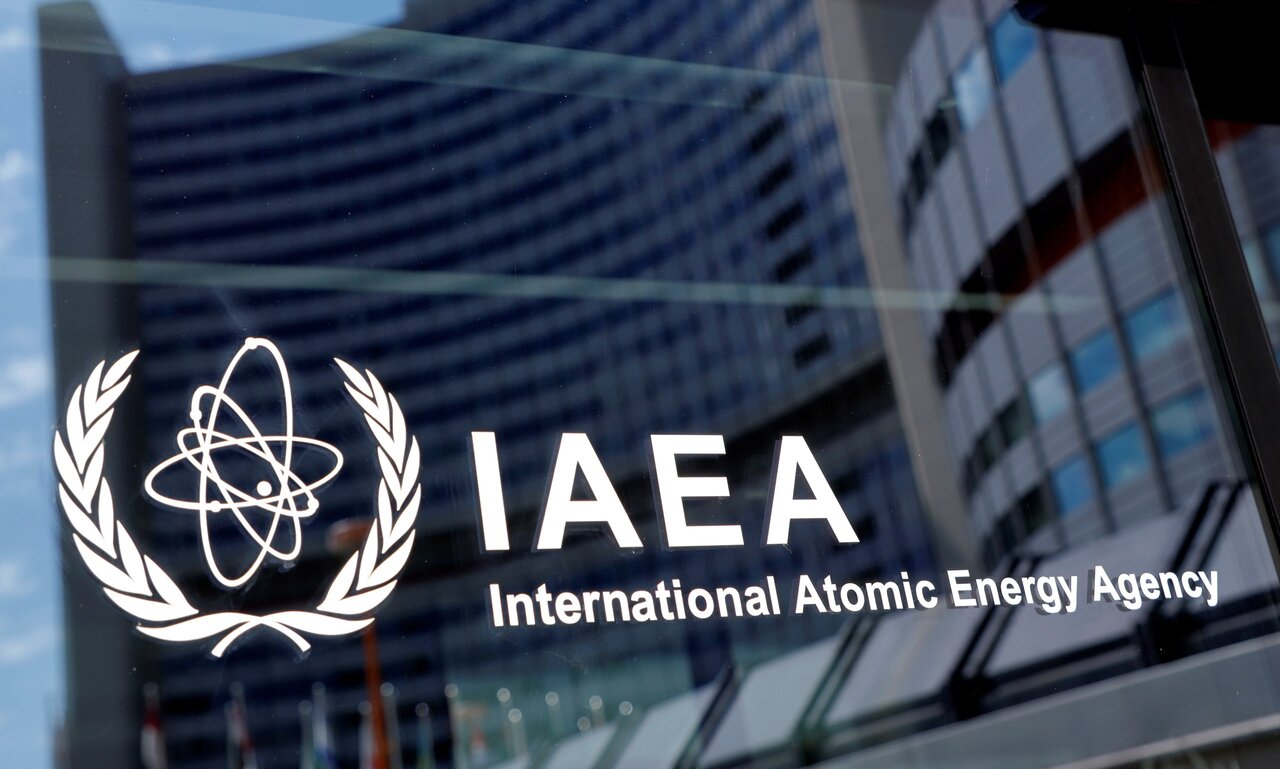
The next International Atomic Energy Agency (IAEA) Board of Governors meeting will be held in Vienna, where the United Kingdom, Germany, and France are expected to continue their anti-Iranian policies and submit draft resolutions at the meeting. The draft, also based on a report by Rafael Grossi, is intended to give the agency immediate access to detailed information on nuclear material inventories, but this is a repetitive exercise and lacks international significance.
Regarding the goals of this movement, we can note the following:
1. According to the agenda published by the International Atomic Energy Agency Secretariat, the review of Iran’s nuclear program will proceed within the framework of the safeguards agreement and will no longer be linked to the expired Security Council Resolution 2231. Therefore, the possibility of a resolution by the three European countries due to the termination of Resolution 2231 and the removal of the Iran issue from the Council’s JCPOA agenda has no legal value.
In fact, this action is considered to be a kind of abuse of international mechanisms to revive irrational points of view and an abuse of the numerical majority of supporters of the European Troika in the Council. The three European countries are trying to continue to assert themselves in the resolution by making baseless and illegal claims and pursuing outdated JCPOA-related issues alongside the Council’s plans.
2. The hidden purpose of France, Britain and Germany is to institutionalize differences between Iran and Iran and increase Iran’s mistrust of Iran-Iran Secretary-General Rafael Grossi by drafting the resolution with the support of the United States. Indeed, these European states seek to keep the Organization on their side by approving anti-Iranian resolutions and widening the rift between Iran and the Organization, relying on the votes of Council members, usually drawn from among Western allies.
In the meantime, if the authorities and Mr. Grossi act personally, adopting a technical and non-political approach, we can look forward to a future of cooperation with Iran, but adopting a political approach and operating in the European field will naturally deprive this institution of cooperation with Iran. The Iranian government has repeatedly stated that issuing political resolutions has no technical value and lacks legal validity.
3. In view of the expiration of resolution 2231 and its ratification by the permanent members of the United Nations Security Council, Russia and China, the time has come for the member states of the Council to independently oppose the illegal and unilateral actions of the United States and the three European states on the Iranian nuclear issue and to support Iran’s right to the peaceful uses of nuclear energy. Unwarranted and unconstructive moves by the US, UK, France, and Germany will no doubt not help remove Iran’s distrust of the IAEA, and unconventional actions by the IAEA will confirm Iran’s view that the IAEA’s position is not technical.
4. The Islamic Republic of Iran will continue to cooperate with Iranian institutions within the framework of the laws, the resolutions of the Islamic Consultative Council (Parliament) and the decisions of the Supreme Council for National Security of Iran, and at the same time pursue the path to the use of nuclear energy for peaceful purposes. The Iranian people consider the use of nuclear energy to be their inalienable right and essential for progress in peaceful fields such as industry, health, agriculture, and medicine, and will continue on this path despite pressure from a few Western countries.
MNA/