
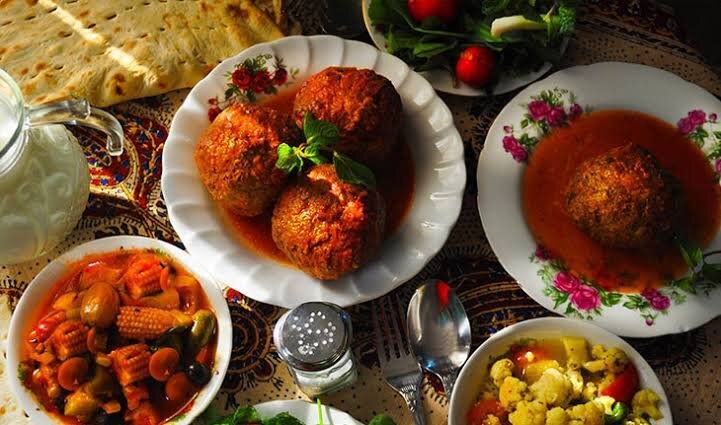
The historic city of Tabriz in northwest Iran is famous not only for its Grand Bazaar and unique architecture, but also for its rich and diverse culinary tradition. Every bite of local food and traditional sweets tells a story of culture, history and artistry. Walking through the cobbled alleys of Tabriz’s bazaar, visitors are captivated by the aroma of freshly baked bread, savory spices, and sweet pastries. An invitation to the heart of the city’s gastronomic heritage.
In the historic homes of Tabriz, traditional dishes have been preserved for generations, from hearty meatballs to intricately wrapped dolmas wrapped in grape leaves, delicate sweets and colorful nuts. Each dish and pastry is more than just food, it’s a glimpse into the skill, patience and passion of Tabriz’s chefs.
Traditional food of Tabriz
Kufteh Tabrizi (Tabrizi meatballs)
Kufteh, a signature feature of Tabriz cuisine The history of Tabriz dates back more than 200 years. Historical travelogues from the Qajar period mention this iconic dish. It consists of ground meat, split peas, rice, herbs, pickled plums, walnuts, and sometimes contains eggs to keep it in shape. The meatballs are formed into large balls and then slowly cooked in a sauce of tomato paste, onions and local herbs. The result is a delicate, sweet and savory flavor with a soft, nutty interior that you’ll enjoy with every bite.
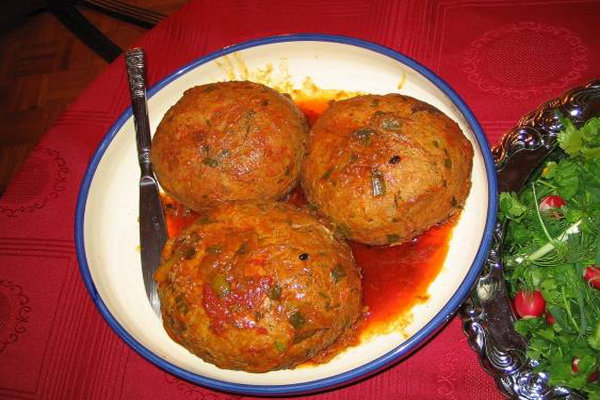
Kufteh Tabrizi is more than just a celebratory dish. It is a symbol of culinary craftsmanship, patience and family tradition, and is reserved for large gatherings and special occasions.
Dolmeh Barg-e Mo (Grape Leaf Dolmas)
Dolme grape leaves, another staple food, have a history of more than 150 years. Fresh grape leaves are stuffed with a mixture of rice, minced meat, split peas and aromatic herbs and carefully wrapped to prevent them from unraveling during cooking. Dolma is slowly stewed with tomato paste and lemon juice, giving it a sweet, fragrant flavor and a soft texture.
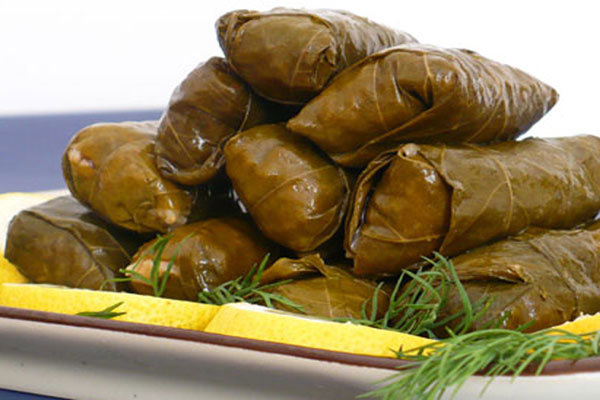
Dolma, the signature dish of holidays and celebrations, represents the artistry and hospitality embedded in Tabriz’s culinary traditions.
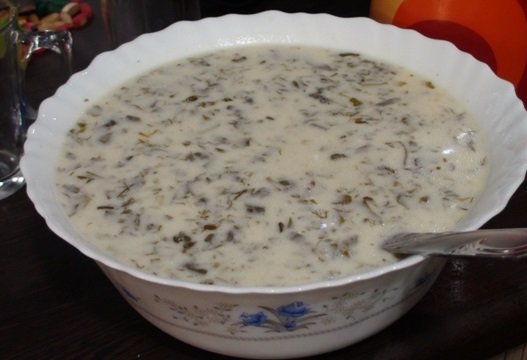
Local soup (ash)
Tabriz’s local soups, such as ash must and dougaba, each dating back more than a century, are essential comfort foods. Ash-e Mas combines fresh yogurt, rice, local herbs, and sometimes meat to provide light and nutritious meals. Doogava or dooash is made by blending yogurt, rice and herbs for festivals and special occasions. This reflects the city’s emphasis on healthy, nutritious food.
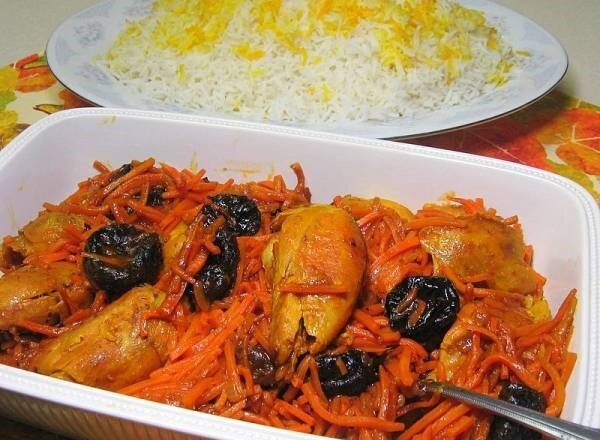
Carrot stew (Khoresht Havidzi)
A beloved traditional stew, Khoresht Havidzi dates back more than a century. Made with meat, carrots, onions, tomato paste, and local spices, this stew is slow-cooked so that the carrot’s natural sweetness melds with the savory ingredients. Its mild flavor and bright color make it a mainstay at family tables and ceremonial meals.
Traditional sweets of Tabriz
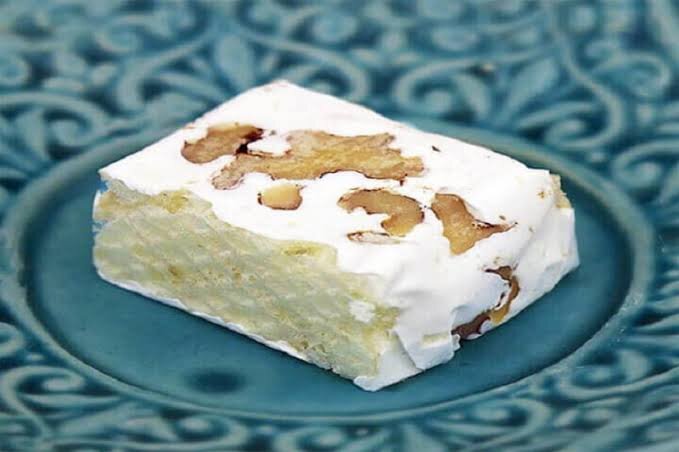
Nougat (Noga)
Nougat, which has been around for 100 years, is made from egg whites, sugar, honey, and nuts such as almonds, pistachios, and hazelnuts. Its smooth texture and delicate taste make it a popular staple for celebrations and as a souvenir.
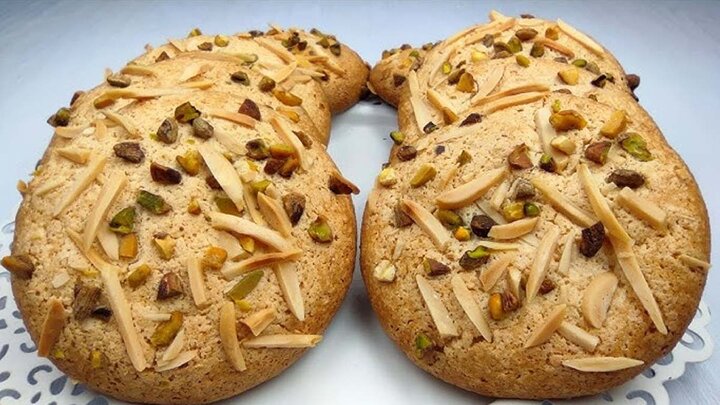
Squirrel (Alice)
Dating back 70 to 80 years, Reese is made from flour, sugar, butter, nuts, and sometimes saffron is added. It is rolled or flattened and baked to a slightly dry texture, and is characterized by a well-balanced sweetness and aroma.

Colavier
One of Tabriz’s oldest sweets, korabieh is more than 100 years old and is made with almond flour, sugar, egg whites, and rosewater. Molded into circular or oval shapes and baked to perfection, their soft texture and rose scent make them popular at celebrations and as souvenirs.
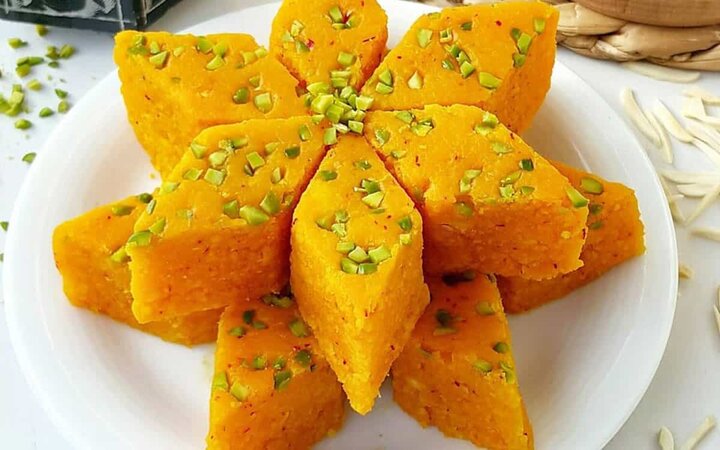
Roz (almond or pistachio candy)
Roz, which has been around for more than a century, combines almonds and pistachios with sugar, shapes them into rectangles or diamonds, and sometimes lightly toasts them. Their crunchy, nutty texture and sweet flavor make them a popular snack for holidays and family gatherings.
Tabriz nuts (Ajr)
Azil is a traditional snack made from a mixture of walnuts, almonds, hazelnuts, pistachios, raisins and dried fruits, and the combinations vary depending on the season and occasion. Ajir is more than just a delicious snack, it reflects Tabriz’s culture of hospitality and meticulous attention to detail in serving its guests.

preserving culinary traditions
Tabriz’s traditional foods, sweets and nuts form an important part of the city’s cultural identity. Each kufte, dolma, soup, stew, nougat, or handful of nuts carries the story of each generation and the expertise of Tabriz’s cooks.
A visit to Tabriz is incomplete without tasting its traditional food. With every bite, you’ll get a sense of the city’s history, culture, and craftsmanship. These dishes and sweets are more than just meals, they are symbols of perseverance, artistry and cultural pride that are passed down through generations.
MNA