
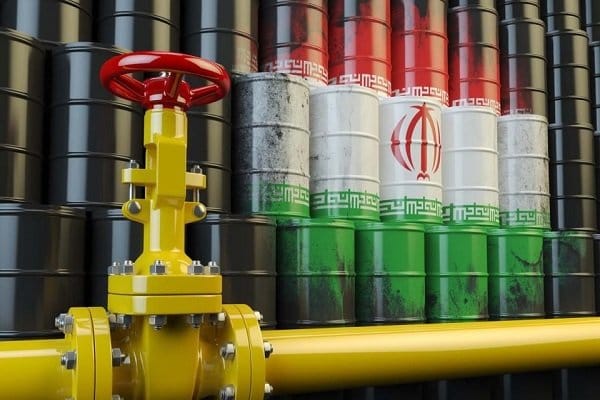
China’s independent oil refiners are increasing their intake of Iranian crude from onshore tanks and ships anchored at sea after the Chinese government issued new import quotas late last month, Bloomberg reported.
Several processors based in Shandong province have been taking crude oil from bonded warehouses at ports and refineries this week, according to people familiar with the matter, who asked not to be identified discussing sensitive information. Much of the oil had been purchased before the new quota allocation, it said.
China’s private refiners, known as Teapots, make up most of the country’s crude purchases from Iran and Russia, which are cheaper than other grades, but were forced to scale back purchases in the fourth quarter due to quota depletion and the impact of sanctions. The Chinese government implements a quota system that regulates the amount of oil that non-state-owned refiners can import.
Still, Vortexa said overall demand from teapots is expected to remain weak until the end of the year, due in part to weak processing margins. That means “sanctioned crude will likely continue to accumulate on the water,” said Emma Li, chief China market analyst at Vortexa.
While Chinese authorities typically provide guidance on overall annual quotas, they typically do not provide details of the tranches issued throughout the year that make up the actual total number. The latest allocations put about 20 teapots at between 7 million and 8 million tonnes, analysts said.
Two supertankers carrying Iranian oil that were anchored off the coast of China unloaded their cargo at another Chinese port this week, according to ship tracking data compiled by Bloomberg. One of the vessels, the Panamanian-flagged Il Gap (carrying approximately 2 million barrels), was unloaded in Rizhao.
The ship’s Mumbai-based management company, Eversail Ship Services OPC PVT, and its Marshall Islands-based owner, Crystal Blue Sky, did not respond to emails seeking comment. It is not approved by Western governments.
Iranian crude oil stored on offshore tankers rose to more than 54 million barrels this week, the highest level in nearly two-and-a-half years, according to Kupler data. China is OPEC’s largest oil producer and is subject to sanctions. Exports recently increased at the fastest pace in years.
Given the very limited buyer base, Iranian oil must be cheap. Traders said some Iranian light cargoes were offered at a discount to ICE Brent this week at a discount of about $8 to $9 a barrel, compared with about $4 a barrel in August. Expanding sanctions against Russia are also contributing to lower barrel prices.
Many Chinese refiners have exhausted their quotas earlier than usual this year due to tighter taxation on alternative feedstocks such as fuel oil. Starting in 2024, they receive a year-round allocation in advance for aid programs, but the system often runs out of allocations well before the end of the year.
MNA