
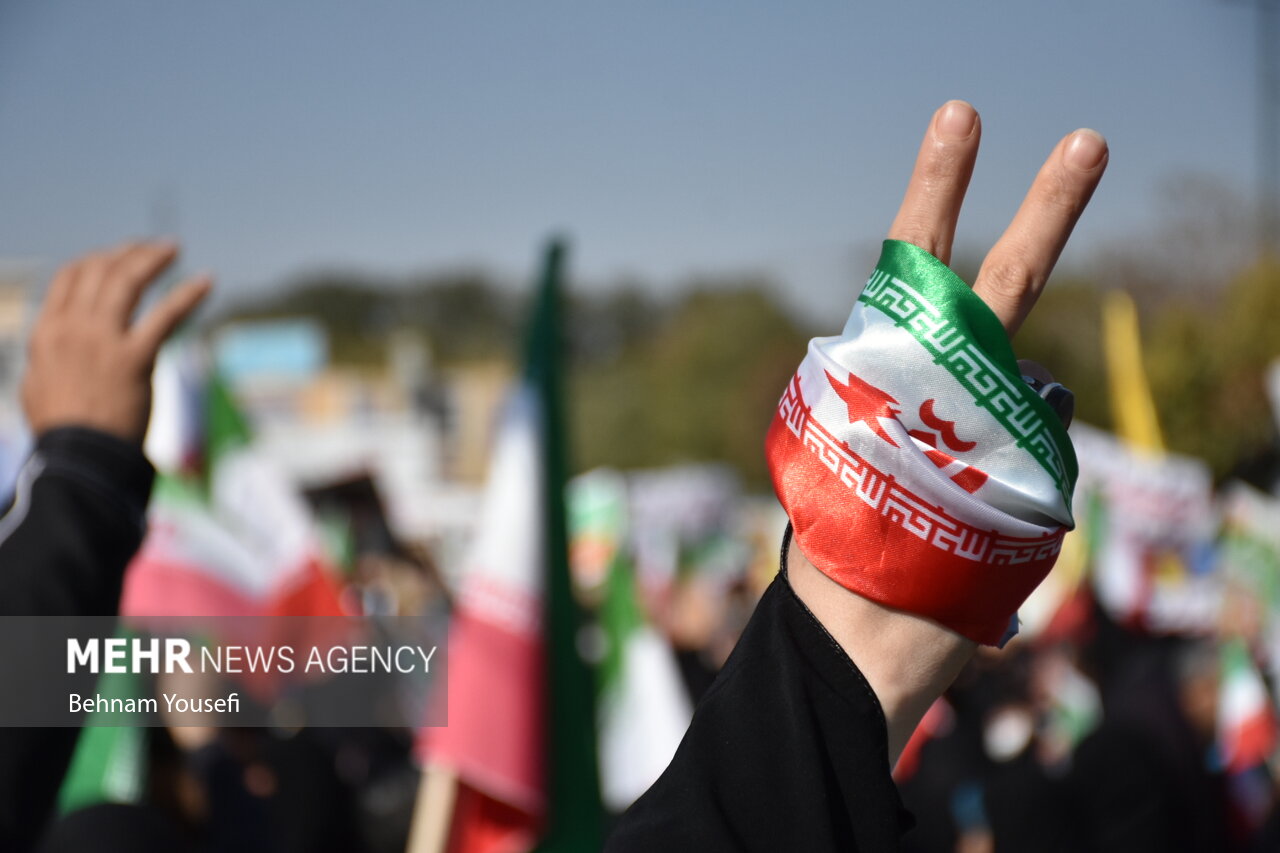
The 16th of Azhar has its roots in commemorating the anniversary of the December 7, 1953 murder and martyrdom of three Iranian students at the University of Tehran by agents of colonial powers during the Pahlavi era.
The three students organized protests against the resumption of political relations between Iran and the United Kingdom and against the official visit of then-U.S. Vice President Richard Nixon, about four months after the 1953 Iranian coup that overthrew democratically elected Prime Minister Mohammad Mossadegh to restore the Mohammad Reza Pahlavi monarchy.
Mostafa Bozornia, Ahmad Ghanci, and Azar Shariat Razavi are three martyred students who died fighting oppression.
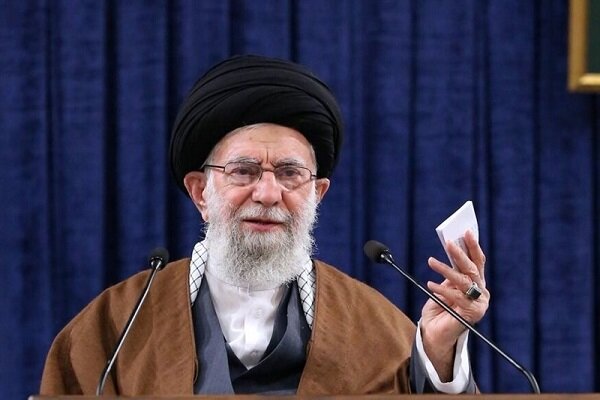
On December 14, 2008, the leader of the Islamic Revolution, Seyyed Ali Khamenei, said: “Student movements in our country have a very interesting history. I am highlighting this issue because it is a movement that must continue and cannot be stopped. We need to have this movement on our side because the country is in such a situation and the Islamic Republic has such composition, features and characteristics.”
“In the recorded and well-known history of our country, this student movement has always opposed arrogance, domination, dictatorship, and oppression, and has always sought justice. These have been the distinguishing characteristics of our country’s student movement from its first days to this day. If someone claims to support this student movement but lacks these characteristics, he or she is not honest.”
“The student movement cannot be left in the hands of people who collaborate with Palestinian genocidal perpetrators, Iraqi criminals, and Afghan murderers. This is not a student movement.”
“The nature and characteristics of the student movement, at least in our country, is that it opposes arrogance, domination and dictatorship and defends justice. Perhaps in many other countries the student movement is like this. The beginning of this movement, or the day known as its beginning, is the 16th of Azar.”

Every year, the 16th of Azhar reminds us of the unparalleled sacrifices made by Iranian students for the victory of the Islamic Revolution under the wise leadership of Imam Khomeini.
At this delicate juncture in history, students from all political walks of life were placing their trust and faith in the great Imam and were coming together under his wise leadership.
The students also saw in Imam Khomeini’s personality all the qualities of a spiritual, religious, and political leader who could free them from the clutches of colonial powers and prevent them from falling into the pit of social and moral decline.
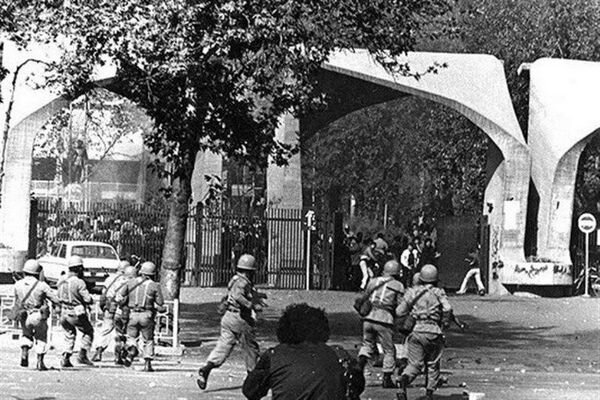
The Iranian people will never forget the sacrifices made by the students, and they continued their struggle, which bore fruit in later years.
Despite all the repression by the Pahlavi regime and the staunch opposition of the world’s colonial powers, the Islamic Revolution was victorious in 1979 under the wise leadership of the Imam.
Imam Khomeini created an Islamic democratic system that strengthened Islamic and oppressed countries around the world and brought prosperity to the Iranian nation.
MNA