
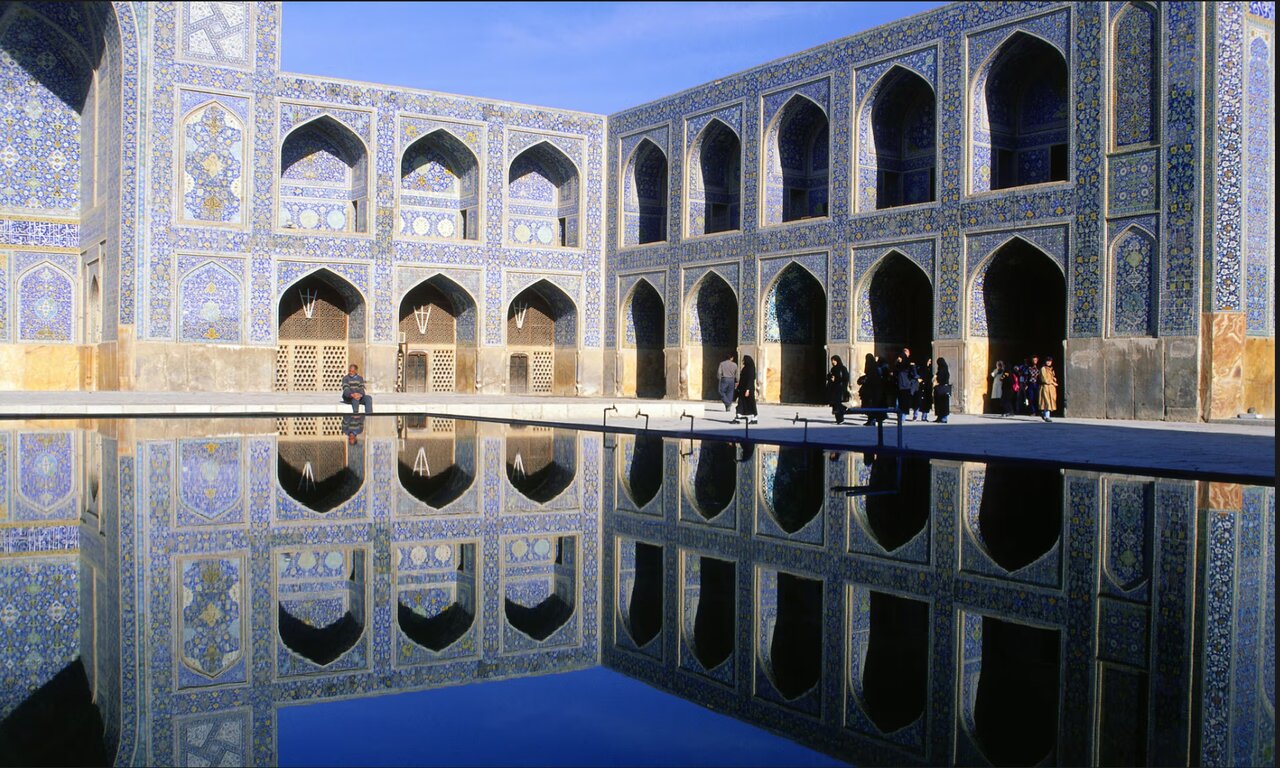
Tehran – For those who dare to look beyond the headlines, Iran unveils a spectacular treasure. From ancient ruins of Persepolis, once the ritual capital of the Achemenid Empire, to the winding alleys and wind towers of Yazd, a UNESCO-registered desert city, the country is a living museum.
Here, Tehran, Shiraz, Isfahan, and countless little-known towns offer an infinite blend of history, architecture and, above all, rivals, and in many ways, human warmth that surpasses more traditional tourist hotspots.
It is long covered in controversy and is exposed to a sustained wave of Iranian phobia. Iranphobia is an anti-Iranian campaign driven primarily by Western narratives, and is currently making another effort to reintroduce itself into the world through a new lens. And the lens surprisingly includes another political dialogue aimed at solving decades-old misconceptions with the West.
A recent interview between American journalist Tucker Carlson and Iranian President Masuud Pezeschkian has done more than headlines. It also served as a cultural bridge rather than providing an unusual window into the heart of a misunderstood country, rather than political debate about the United States and its close ally Israel.
For a global audience accustomed to seeing Iran through only conflict and diplomatic prisms, conversations served as an appeal to challenge assumptions and rethink the story. We provided an unexpected invitation: look for yourself!
However, the speech provided new insights into modern Iran’s political realities, ambitions and challenges. And for travelers with curiosity and open minds, it provided more powerful things, context, connections and reliability than travel brochures.
Despite the portrayal of wary people, cultural heritage enthusiasts, and decades of unfair sanctions, diplomatic tensions and sloping media, Iran has been able to maintain a deep cultural vitality. UNESCO World Heritage Sites, picturesque mosques, Persian gardens, lively bazaars and hospitality rituals reveal a country eager to share its stories with the world. As a recent success of its cultural heritage, a group of Western Stone Age caves in western Iran was added to the UNESCO World Heritage List on Friday, June 11th.
Travel trends in recent years have shown an increasing appetite for meaningful travel. A journey that prioritizes connections, heritage and local experience. Iran offers just that. From conversations through saffron-scented tea in the village courtyard to calling for prayer reverberating ancient Karabansera, every moment in Iran is layered with history and humanity.
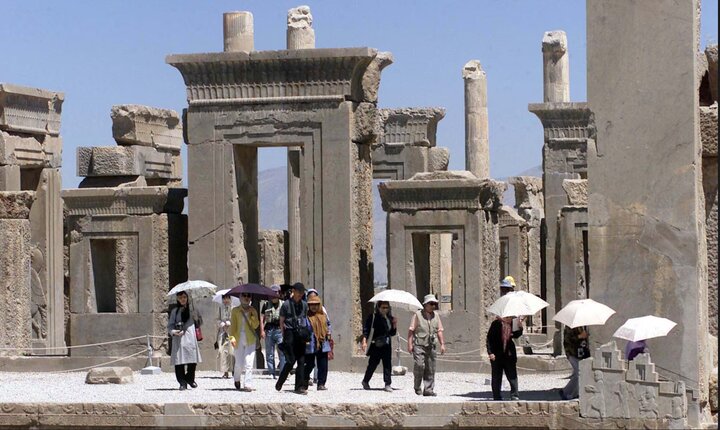
A group of Japanese tourists in Persepolis. (Photo: Vahid Salemi/AP)
The future of Iran’s tourism appears to be increasingly hopeful as President Pezeschkian signals openness to dialogue and reintegration at the global stage. By easing travel restrictions, improving diplomatic relations and promoting cultural exchange, Iran could turn from enigmatic names on maps into bucket list destinations for travelers around the world.
Almost every travel insider familiar with Iran’s tourism believes the possibility is enormous. Whether you’re hiking the Alborz mountains, watching the starry sky in the desert, or marveling at the UNESCO-registered dome of Nakshwejahan Square in Isfahan, Iran promises a clichéd adventure. It offers something that some countries can do. It’s an opportunity to rewrite your perceptions while exploring one of the oldest civilizations on the planet.
morning