
As Hondurans prepare for Sunday’s presidential election, officials and analysts have denounced Washington’s interference, saying it threatens the country’s sovereign democratic process.
US President Donald Trump’s support for right-wing candidate Nasri “Tito” Asfulura has caused alarm, with Trump warning that aid could be withheld if Asfullah loses and declaring that “the wrong leadership can only lead to catastrophic consequences.”
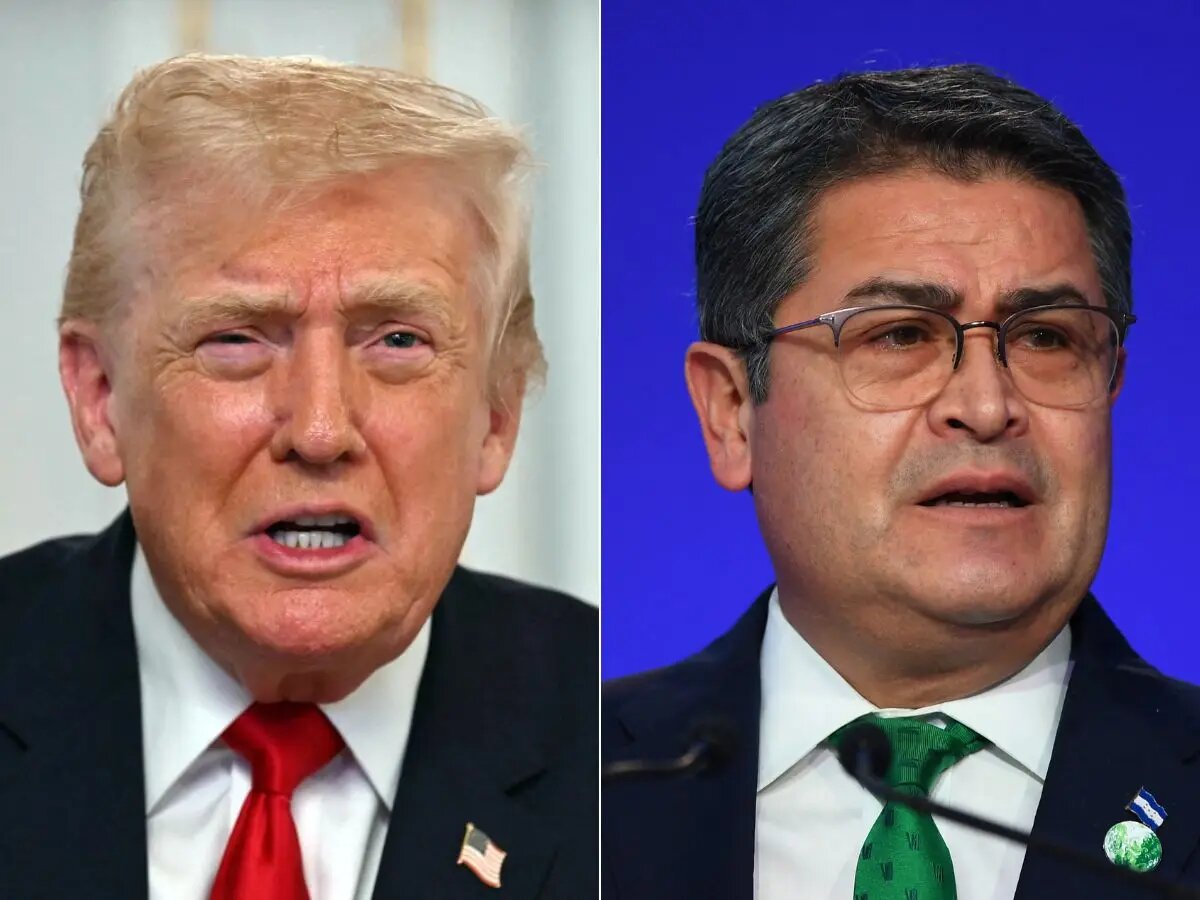
The controversy deepened when President Trump pledged to pardon former President Juan Orlando Hernández, who served 45 years in prison for drug trafficking, a move critics have called political because it seeks to reassure conservative allies, directly intertwines U.S. judicial power with the Honduran election and distorts the legitimacy of an already tense campaign.
Honduran officials reacted sharply. Outgoing President Xiomara Castro has warned that foreign dictatorships risk undermining Honduras’ sovereignty and destabilizing the democratic process.
National Electoral Commission President Ana Paola Hall rejected the military’s request for voting records as “interference,” while Libre party official Enrique Reyna dismissed President Trump’s characterization of the party as “communist” and insisted: “We have our own vision of democratic socialism.”
Rixie Moncada, a candidate for the ruling Libre party, vows to expand President Xiomara Castro’s left-wing policies. Mr. Asfullah of the conservative National Party is campaigning on what is described as a “pro-business policy,” while Mr. Salvador Nasrallah of the Liberal Party positions himself as a centrist who appeals to moderates.
Analysts have warned that foreign involvement will exacerbate existing tensions, including allegations of pre-emptive fraud, military interest in ballots and fears of post-vote unrest.
Violence has already marred the movement, including an attack during the Libre march that left a five-year-old child dead, and public anxiety about security is growing.
But an asymmetrical relationship with Washington looms large.
Remittances account for about a quarter of Honduras’ GDP, and U.S. immigration and deportation policies directly impact tens of thousands of Honduran families and expand its influence abroad.
Trump’s intervention is seen as an attempt to exploit Honduras’ vulnerabilities by shielding an ally accused of corruption, using transactional diplomacy to undermine the credibility of the vote and increase the risk of unrest if the results are challenged.