
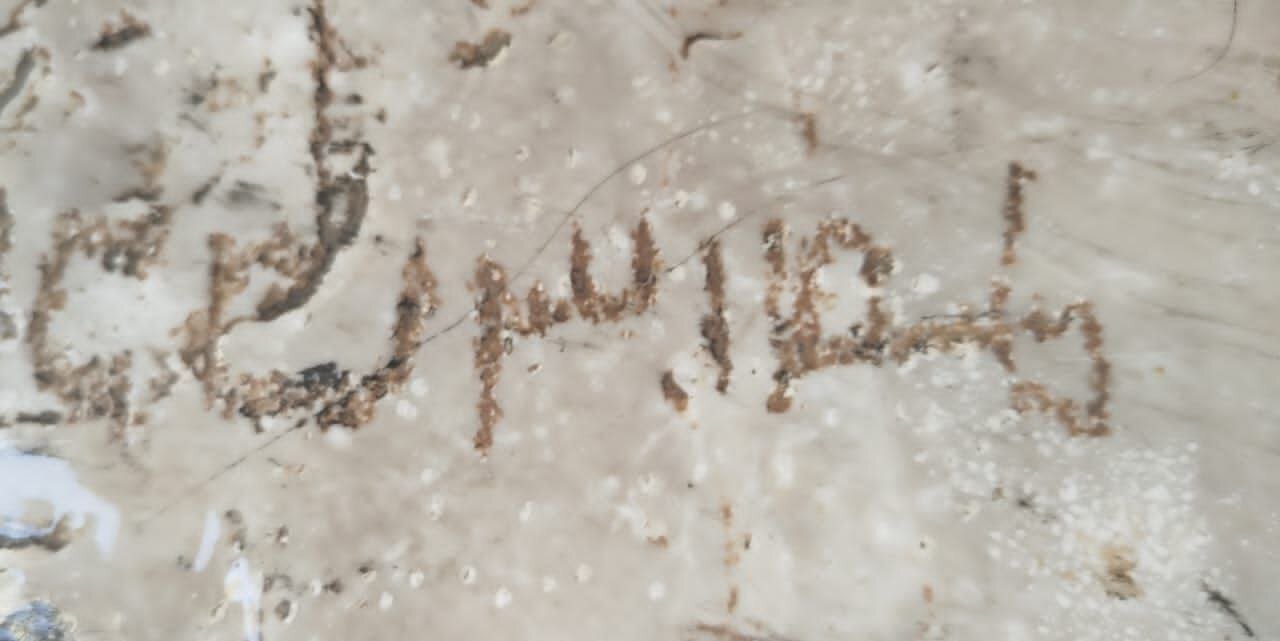
Tehran – The rare Sasanid-era inscription, believed to condemn acts of betrayal and support the sanctity of loyalty and oath, is found in the mountainous region of Malbadasht, in Faz province, according to historian Dr. Aborassan Atabaki.
Atabaki described the inscription as essentially advice. This is engraved along the ancient Iranian ethical principles related to Mitra (Meer), the Zoroastrian god of covenant and justice. “The inscription is a surprising example of the ancient Iranians viewed loyalty as a sacred value and betrayal as one of the most serious sins,” he said.
In ancient Iranian beliefs, betrayal was thought to bring about God’s wrath and social ruin. “When a person breaks the oath, Mithra is furious and the offender’s land brings drought, obstacles and decline,” explained Atabaki. These values are also reflected in Zoroastrian teachings, where all supporters, regardless of their faith or social status, are warned against breaking their oath.
Historians have pointed out that even mythical contracts, such as the agreement between Ahura Mazda and Angra Mainyu (Afriman), are not considered to emphasize the enduring power of sacred promises. “People who break or take oaths are likened to those who abandoned Abesta and Zoroster’s teachings,” he said. Furthermore, unfair judges or leaders who betray public trust were thought to cause natural and social disability, such as reduced rainfall and reduced healing powers.
According to Atabaki, the moral meaning of breaking a promise has expanded across all relationships between humans and God, between friends, colleagues, religious companions, and even spouses. “In a diverse and vast land like ancient Iran, the foundation of social order between kings, peasants, nomads, traders and craftsmen was built on the sanctity of the pledge,” he emphasized.
This discovery also highlights the growing status of Mitra in Iranian mythology. God first appeared in the inscriptions of Aldasil I of Susa and Aldasil III of Persepolis, and was equally respected in Indian Vedic literature as Mithra, the god of truth and covenant. In Iran, Mithra played many roles, including God of Light and Justice, protector of nomadic pastures, protector of warriors, and sacred supervisor of marriage and social bonds.
Atabaki concluded that the discovery of this Sassanid inscription not only adds to the corpus of ancient Iranian texts, but also reflects the high ethical standards and sophisticated legal thinking that characterized the Sassanid period and early Iranian civilization.
morning