
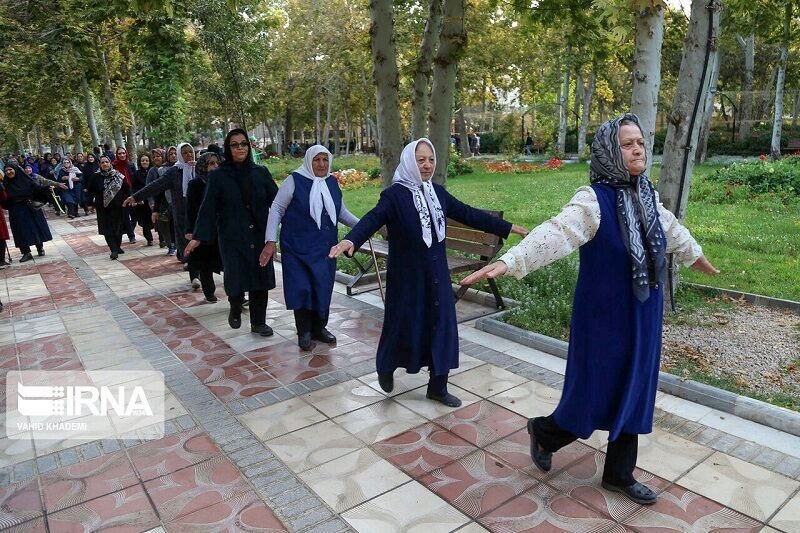
Tehran – Director-General of the National Council of Elderly People, Mojang Rezazadeh, has approved 18 strategic plans on aging to date to improve the situation for older people.
These strategic plans include the development of age-friendly communities, formal and informal caregivers, neighborhood welfare programs, bills defending the rights of seniors, amending enforcement regulations to organize senior issues, aging experts, Time Bank, Aging Data Management Dashboard, Modern Aging Centers, Aging Tourism, Elderly Employment, Airspore for the expansion of senior airspacing, and Airspire Science. Long-term care insurance, and in a national survey, IRNA quoted Rezazadeh as saying.
Noting a total of 9.8 million seniors in the country, officials said the plan aims to improve physical and mental health, improve social empowerment, improve quality of care services, harm, develop culture and infrastructure and enhance the participation of older adults.
The approved plans will soon be implemented nationwide, officials added.
Iran predicts that it will enter the aging stage
With the country’s senior citizens rapidly increasing, Iran is expected to enter the population stage between 2041 and 2046, with nearly a third of its population being over 60 by 2050, officials at the National Population Headquarters said.
A recent report shows that the number of Iranians over the age of 65 is currently 7.5 million, accounting for less than 10% of the country’s total population, TV quotes Mehdi Malmir as saying.
However, in Iran, the population aging rate is rapidly increasing. This is primarily due to lower birth rates, increased life expectancy, and other demographic trends.
Officials said Iranian baby boomers in the 1970s and early ’80s, which now account for a significant portion of the country’s population, will be considered elderly in the next 15-25 years.
“This structure changes require serious planning,” Marmir said.
He said a single elderly person accounts for 31% of Iran’s total elderly population, and that the category will expand in the near future to significantly increase pressure on Iran’s health and pension schemes.
Officials added that the majority of Iran’s elderly population lives in rural areas in the country, with the northern provinces of Gilan having the oldest population, while the southern parts of Quezestan, Hormozgan and Sistan Balusestan are more demographically located than other regions.
He said about 62% of female seniors and about 39% of male Iranians live under the absolute poverty line.
According to Saber Jabbari, a health ministry official, the number of elderly citizens in the country has increased by 3.62%, five times the total population growth rate, at 1.24%. For the time being, older women account for 52.3% of the total population, outweighing men (47.7%).
Despite providing incentives to encourage childbirth in line with youth population laws, the desired growth of the youth population has not yet been achieved. This is one of the most important challenges facing the country.
“At best, Iran’s population with a total fertility rate of 2.5 will reach 102,890,000 over the next seven years,” Irib cited Mohammad-Javad Mahmoudi, an employee of a civil registered organisation.
Over the past two years, the birth rate has been stable at around 1.6, raising concerns about the decline in population growth trends over the coming years and the possibility of turning Iran into one of the oldest countries in the world.
mt/mg