
TEHRAN – From the beginning of the current Iranian year on March 21 to September 27, a total of 497 cases of dengue fever have been diagnosed in the country, according to the Ministry of Health.
Chabahar, with 445 infected individuals, had the highest number of cases, of which 25 were travel-related cases. The patient was infected in Pakistan. 43 other cases were detected on Bandar Abbas, two of which were infected in Pakistan, reported Borna News Agency.
Additionally, two cases were reported in Zahedan and two cases were reported in Iranshaal. One case was reported in Tehran and Birjand.
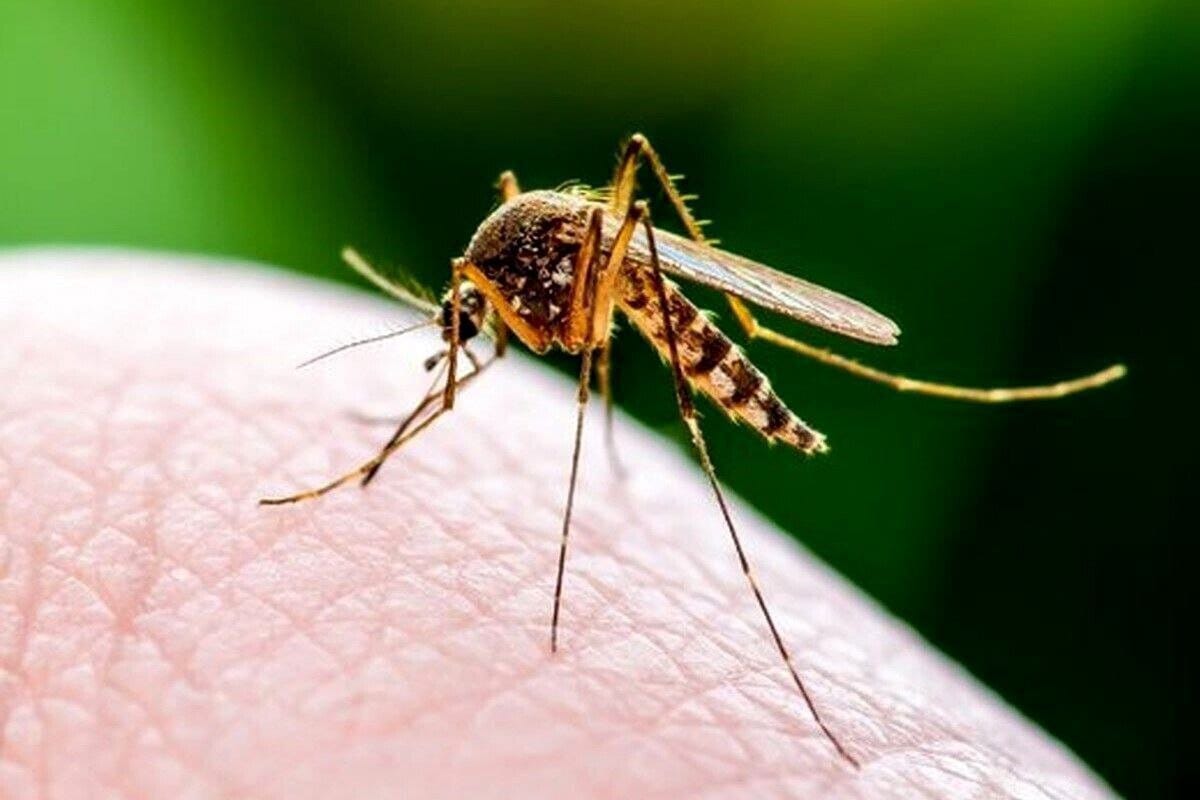
Dengue is a viral infection that is transmitted to humans through the bite of an infected mosquito. The disease is transmitted through bites of Aedes albopictus and mosquito bites. These mosquitoes also transmit Zika and Chikungunya viruses.
Mosquitoes only need a small amount of water to lay eggs. Containers that contain bowls, cups, fountains, tires, barrels, vases and other containers make for a great nursery.
Dengue has different stages of infection, including fever, critical stage and recovery stage.
Aedes Albopictus and Aedes Albopictus have been recorded in this country.
Aedes aegypti is a more invasive mosquito that is more common in Iran. This mosquito physiology causes people in contaminated areas to wear clothes that cover most of their bodies the first two hours of the morning and the evening.
Transmission occurs two days before symptoms appear and two days after fever.
The disease can range from mosquitoes to humans, humans to mosquitoes, and blood transfusions during pregnancy, organ transplants, and from mother to child to humans to humans.
Aedes have a lifespan of 1 to 4 weeks. They consume blood meals every 1-2 hours, accounting for 40-50 meals throughout their lifespan.
Approximately 40-80% of patients with dengue have mild or symptoms free. By adhering to hygiene practices, you can reduce dengue cases by 70%.
Aedes Aegypti was first reported in Hormozgan in 2019. Mosquitoes are currently being found in the provinces of Hormozgun, Sistan-Baluchestan (Chabahar and Konarak), Bushehr and Fars.
Another species, Aedes albopictus, has been observed in the northwest and northwest, including Gilan, Mazandaran, Ardabil, East Azerbaijan, and Zanjan.
According to the World Health Organization (WHO), approximately half of the world’s population is at risk of dengue, with an estimated 100 million to 400 million infections occur annually.
Dengue fever prevention and control relies on vector control. There is no specific treatment for dengue/severe dengue, and early detection and access to appropriate medical care significantly reduces the fatality of severe dengue.
Using insect repellents when moving to risky states, primarily southern cities, wearing clothes that cover most of the body, such as socks, long sleeved clothes, and long pants, can help prevent dengue fever.
mt/mg