
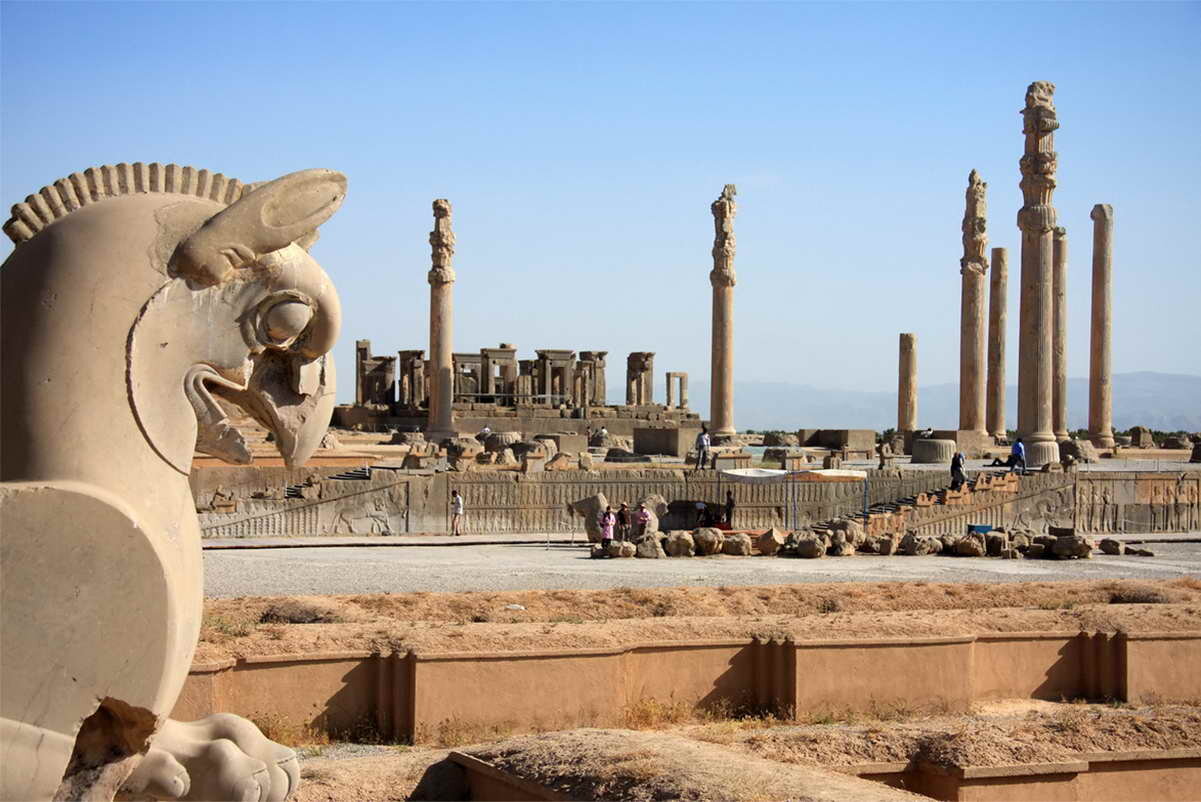
Tehran – Archaeologists have discovered evidence of early eramiteja burials and ki waste at Tor Elbahi Kenare, less than 2 km south of the UNESCO World Heritage Site site in Persepolis, southern Iran.
The discovery was made during a project defining boundaries and proposing a protection buffer zone for the site in Marvdash County, Fars.
Fazlollah Habibi, head of the Tol-e Roubahi Kenareh Excavation team and archaeologist at the Persepolis World Heritage Base, said the aim is to identify mound settlement restrictions and establish a conservation zone.
“Tol-e Roubahi (Kenareh) is one of the important prehistoric settlements of the Marvdasht plains associated with Banhesh Period (early eramite). It is less than two kilometres south of Persepolis and less than 1.5 kilometres, said Tol-e Bakun.
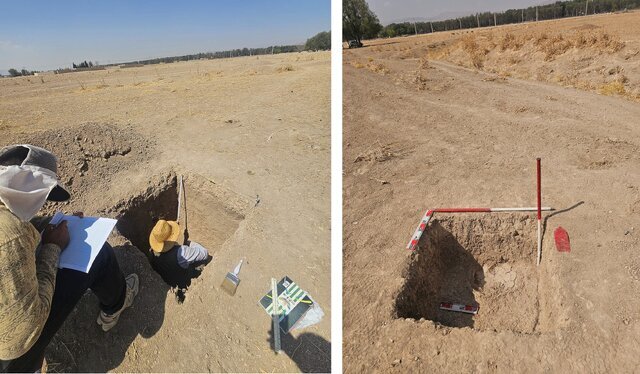
He added that the project’s objectives include mapping ancient reconciliation, designing safeguards against environmental and human threats, documenting discoveries, and assessing damages and environmental changes. The techniques include test trenching, drone imaging, DGP investigations and laboratory analysis of surface discovery, he said.
The project was funded from the World Heritage Base in Persepolis, and the results will support research into emergency conservation, long-term conservation plans and reconciliation patterns in the Marvdash Plain over the third millennium BC, Habibi said.
To date, 13 test trenches measured 1 meter have been excavated, with important results such as burial of bottles and dense cultural deposits of ki waste.
Contrary to previous assumptions for a nearly square site of about 100 x 100 meters, Tol-e Roubahi extends east-west, an estimated length of 200 meters and a width of 100 meters, Habibi said, according to research, highlighting its larger scale and importance than previously thought.
Persepolis, also known as Takht-e Jamshid, was founded by Darius The Great around 518 BC as the ritual capital of Achaemenid Empire. The vast terrace and palace complex, located 60 km northeast of Shiraz, was destroyed by Alexander the Great in 330 BC. Its ruins, including the Apadana Palace and 100 rows of halls, are considered one of the most important archaeological sites in the world.
morning