
Tehran – When asked about Iranians who played the most important role during the battle against attacks with Israel and its western allies in June, many people name the men who worked in missile launcher devices, men who operated air defense systems, or pursued Mossad agents.
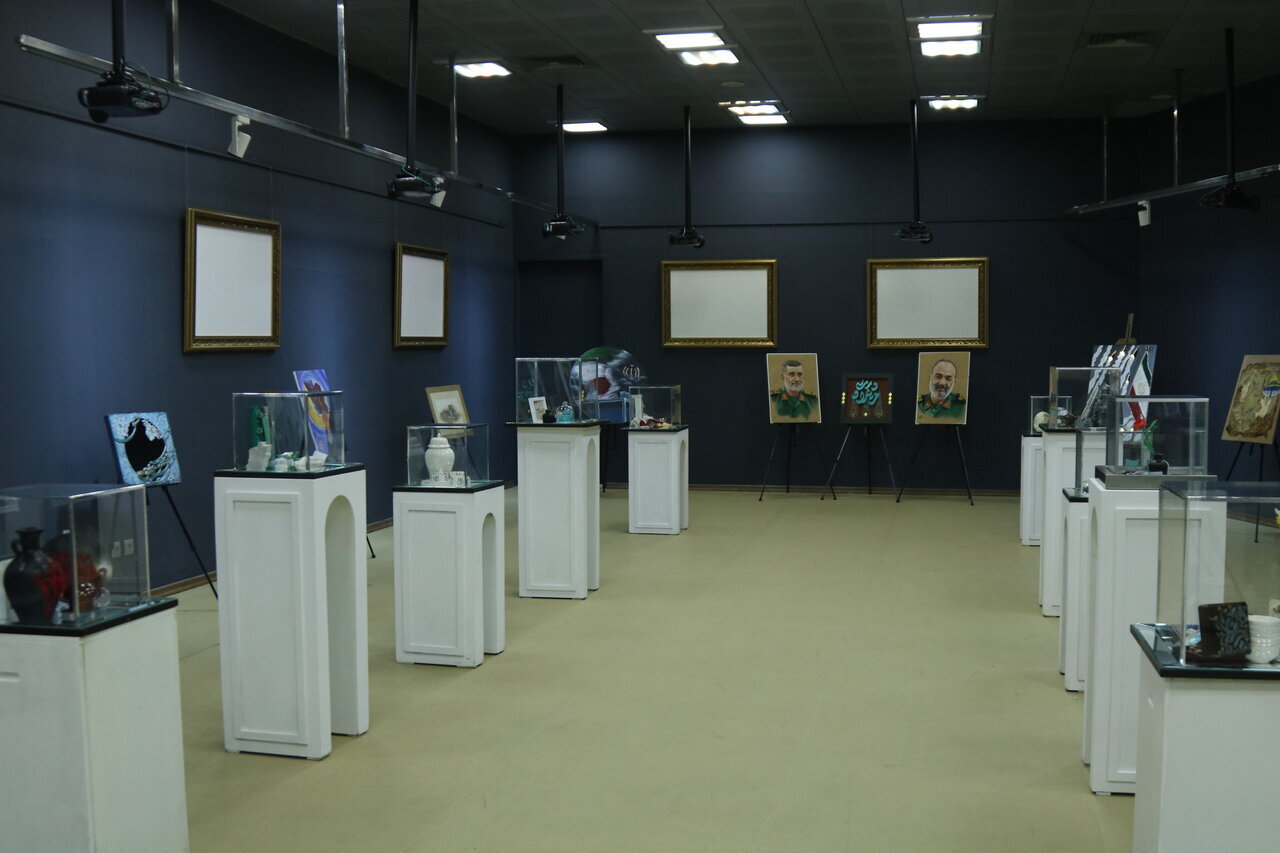
A gallery I visited in Tehran, a city at the heart of recent conflict, featured artwork, handicrafts and numerous letters created or addressed for these individuals. People of diverse backgrounds and ages expressed their gratitude through Tehran’s municipalities.
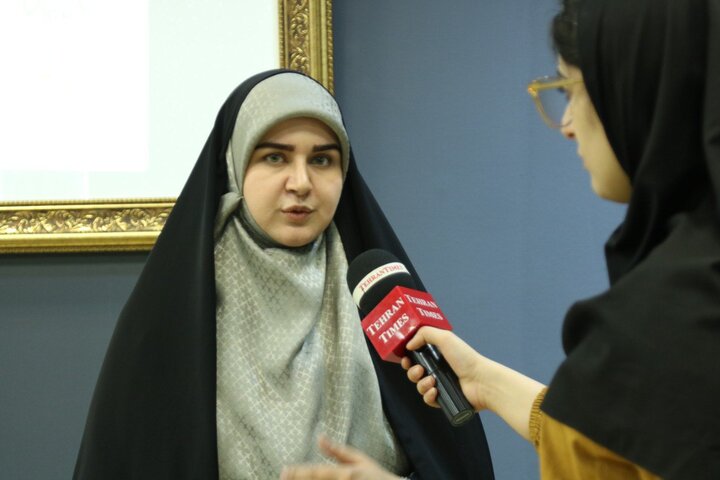
“The gallery contains items collected after people asked the military to submit what they wanted to see or read,” explained Saedeh Habibifard, one of the gallery’s main organizers. As director of Hanir, focusing on addressing the challenges and problems faced by women in society and women in their families, NGOs leveraged their close ties with the women’s networks across Tehran to organize the event. “A significant portion of our work was created by children. More refined artwork was mostly made by women. Our letters came primarily from women and children.
The gallery clearly reflects its purpose. It is a voluntary and authentic attempt, a voluntary and authentic attempt by ensuring the safety of Iranian people, sacrificing comfort, health and even life.
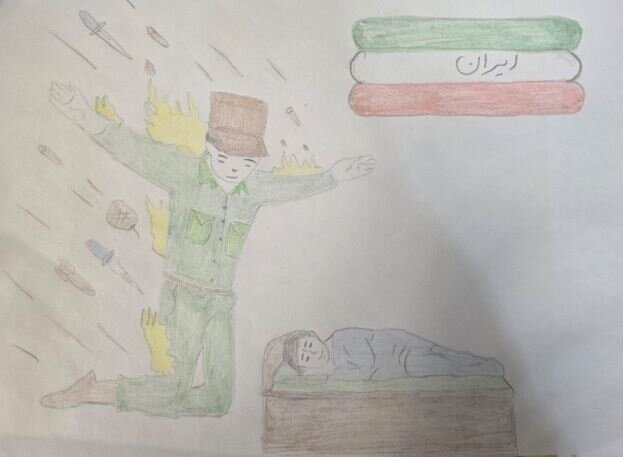
Different sections of the room were dedicated to various exhibits. One large table featured numerous letters addressed to Iranian soldiers. I spent some time researching and reading them, but I realized that most of them were written by children. The messy handwriting, occasional spelling errors, and the unofficial tone of the letters were added only to their reliability. “My mother said our army was strong. She said Iran would win. I pray you do so,” the 10-year-old wrote. On another paper he was depicting a soldier standing tall on top of a sleeping boy with his arms stretched out. The missile-like object raided the soldier’s back and spread his arms while the boy slept peacefully next to him.
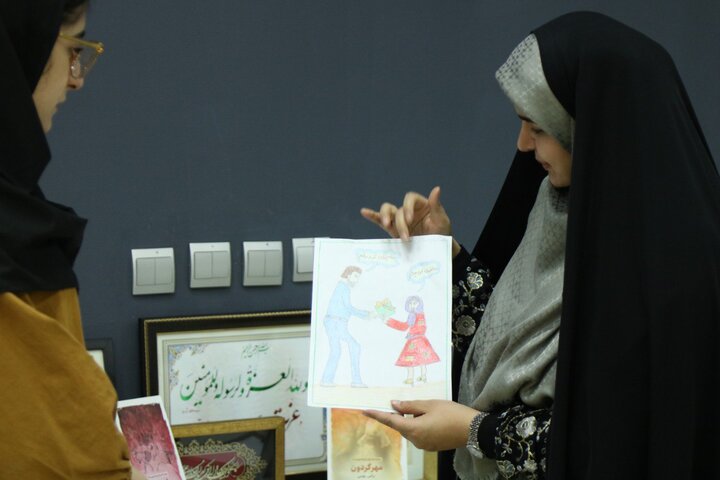
Most of the visitors I saw were ordinary citizens. Someone from the military visited the gallery and asked if they had shared their thoughts. “One day a man came dressed in civilian clothes. We thought he was just a visitor, but he spent a lot more time than the others,” the organizers explained. “When he left, he approached me and told me he was a member of the Iranian Air Force. He said the message and drawings touched his heart and soul.”
Letters, artwork and handicrafts are expected to be handed over to military representatives later this week.
Active but invisible woman
As I was preparing to visit the gallery, I began to outline the report. I was hoping for raw emotion and tear messages, a simple experience, and I believed I understood the core themes of the event.
However, after visiting the gallery and examining the exhibits, I began to think of people who have never been involved in the success of Iran during the conflict. Iran remained intact, thwarting plans for the enemy’s collapse, and ultimately dealing with a blow that forced Israel and the United States to demand a ceasefire. I have always believed that Iranian soldiers and military leaders deserve this resilience. But when I looked around the brightly lit rooms, read letters, and admired paintings and calligraphy, I realized that many creators were grateful not only to the frontline people, but also to women who were completely dedicated to keeping their families and society together.
At first, it was shocking to see it happen. Films depicting war and conflict usually depict women as waiting wives, or at best, nurses, in caring for the injured. During the difficult 12 days of June, you may not have known whether women were launching missiles or looking for spies at checkpoints, but I have never been an office worker who kept running the city while many people were considering moving to a safer location in Tehran.
I remember an old friend who is now a banker. After visiting the gallery, I reached out to her and asked her how she managed her job during those 12 days. “I remember some explosions happening near where I was working. It was pretty horrifying and nervous,” she told me over the phone. “But I didn’t want to leave the bank. On the second day of the war, I stood outside and looked at the building as I was about to turn on the clock. I realized that I didn’t want the bank to be empty.
Many office workers in Tehran are women. The capital, the country’s economic and political centre, relies heavily on women to run government agencies and the private sector. The office has become increasingly populated by women over time, as men, who are expected to be the producers of Iranian society, are drawn to technical jobs that pay more than office jobs.
Another group of women who have made a great contribution but little recognized are wives, mothers and sisters of those serving the military, and consist of almost entirely of Iranian men.
“My husband left for work minutes after the war began,” said Banafshe Egbar, whose husband is part of Iran’s army. I connected with her through the Hanir group. “The war began on a Friday around 3am or 4am. We were supposed to take my daughter to the park that day. My husband had promised that he would stay all day long because he had worked the week before.”
Banafshe saw her husband only in one word twice during the 12 days of the war. “He was home twice from midnight until dawn. He went home, took a shower and slept for a few hours.
Banafshe spent days full of worry and anxiety. However, she was unable to show her feelings in front of her daughter, who was already mad at her long absence. “Because of my husband’s job, I had some understanding of Iran’s military power, so I knew it wouldn’t be long until the war ended. But I was still very concerned about my husband.
Banafshe had families in areas far from the conflict zone. They insisted that she would leave Tehran with her daughter and join them. But she said that it was impossible for her. “I knew my husband could easily visit anytime of the day. I wanted him to be there to say hello to him, so I wanted him to know that his house was still there. What is a family-free home?”
She spent her days doing some of the daily routines she always did, distracting her six-year-old. Although Banafshe was not directly involved in the military, she was an integral part of the support system that keeps it working.