
The vast collection of literature on the Iran-Iraq War (1980-1988), known in Iran as the “Sacred Defense,” includes stories that are indispensable for their unique perspectives and deep historical value.
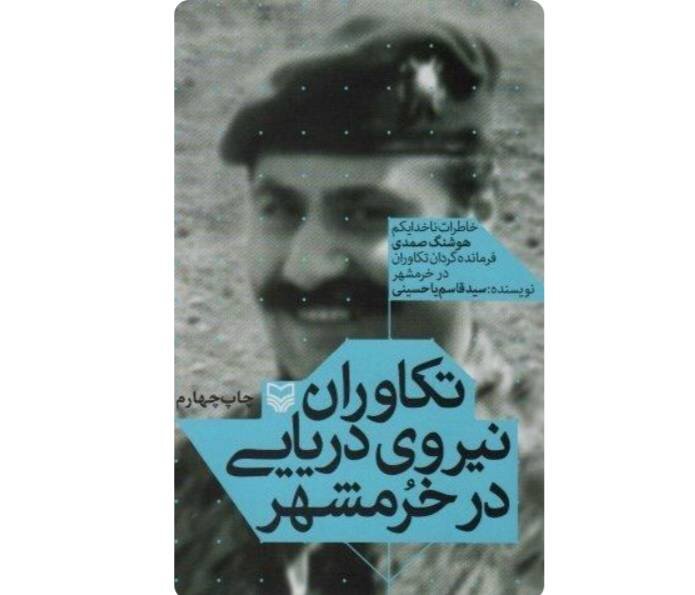
“Naval Seals of Khorramshahr: Memoirs of First Captain Hushan Samadhi” is one such important work.
This book, written by Seyed Qassem Yahoseini and published by Sule Mair, breaks 30 years of silence and provides a direct account from the front lines of one of the war’s most legendary battles.
To understand the significance of this memoir, we must first recognize the symbolic importance of Khorramshahr.
Located at the confluence of the Qarun and Arvand rivers, this port city was a major connection between Iran and the Persian Gulf.
For the invading Iraqi forces, occupation was a major strategic objective, meaning a quick victory and providing a powerful bargaining chip.
But for Iran, Khorramshahr has become more than just a city. It turned into a symbol of national determination and sacrifice.
Fierce house-to-house resistance there against a better-equipped enemy galvanized the Iranian people.
The city’s eventual fall after a 34-day siege was a painful loss, but it forced Iraqi forces into incredible delays, giving Iran the critical time it needed to organize its defenses.
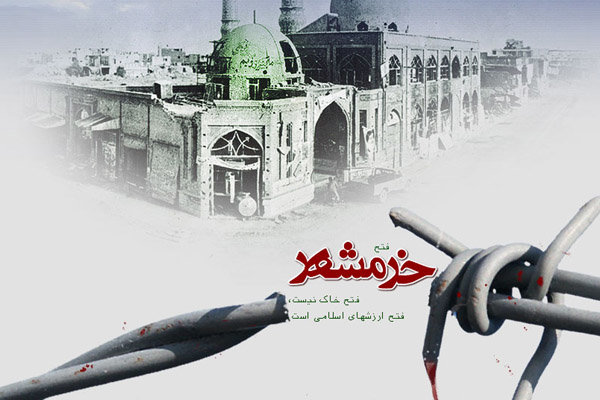
The battle was so destructive that Khorramshahr was given the unforgettable nickname “Kuninshahr”, meaning “City of Blood”. Liberation in 1982 was a major boost to national morale.
While the contribution of volunteer militias in Horamshahr is widely known, this book focuses on an important but lesser-known group: the Iranian Navy’s elite naval special forces.
Under the command of First Captain Hushan Samadhi, these highly trained soldiers were at the heart of the city’s defense.
They suffered a heavy price, suffering around 300 casualties, creating a story of incredible perseverance. This is the first independent memoir by one of these major commanders, making it a landmark publication.
This story is the result of a 45-hour interview with Captain Samadhi, tracing his life from childhood to wartime leadership.
The story centers on a grueling 34-day defensive battle. Samadhi is described as a brave, capable, and deeply patriotic officer who commanded a battalion of 600 men.
The intensity of the fighting is evidenced by the fact that only 270 of them survived. Samadhi himself was wounded six times, but refused to leave his position.
This memoir begins with a powerful personal moment on September 22, 1980, the first day of the invasion.
Samadhi had just completed his retirement formalities and was supposed to be leaving for a peaceful life.
Instead, as he watched Iraqi fighter jets attack his base in Bushehr, he made a life-changing decision.
He immediately went to his boss and said, “I can’t go. If I quit, I’ll be ashamed for the rest of my life…I’ve been training for a day like this.” This strong sense of duty defines the entire account.
The book vividly describes the rapid preparation of his battalion. Departing from Bushehr on an emotional night, Samadhi gathered his special forces.
The scene is filled with emotion as the soldiers bid farewell to their families, pass under the Quran and board a convoy of more than 100 vehicles.
Samadhi gave a speech to his men, warning them of serious dangers ahead, including enemy air attacks, and grounded the story in the harsh realities of war.
The book is divided into two parts and 21 chapters, and is much more than just a series of battle stories.
It is a detailed human and strategic account of how a vastly outnumbered force was able to hold off a powerful invading force for weeks at great loss. It describes cooperation between his Navy SEALs, local fighters, and the Islamic Revolutionary Guards Corps (IRGC) and shows a unified national defense.
“Naval Seals of Khorramshahr” is more than just a personal memoir. It is an important historical document.
For readers around the world, this book serves as a compelling introduction to the sacrifices made during the decisive conflict. This ensures that the courage of certain units and their commanders is no longer an untold story, but a permanent and respected part of Iran’s historical record.
Report by Tohid Mahmoodpour