
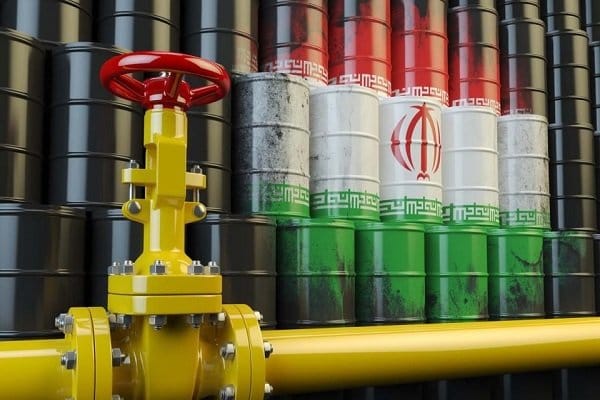
The construction of the Xinhai chemical plant in the northern Chinese city of Cangzhou shows how the country’s independent refiners, which are Iran’s biggest oil customers, are staying afloat despite being on Western blacklists aimed at cutting oil revenues from governments including Tehran and Moscow, said a Reuters report on Monday cited by the website Energy News.
State media reported that parent company Hebei Xinhai Holding Group announced plans to convert the refinery into a chemicals manufacturer early last year. The plan is worth 50 billion yuan.
A person with direct knowledge of the project said half of the investment will be used for the first phase, which is expected to be completed by the end of 2026. The source declined to give his name due to the sensitive nature of the issue.
In May, the U.S. Treasury Department named Xinhai Chemical Co., Ltd., which operates a 120,000-barrel-per-day refinery, and multiple Chinese oil terminal operators for purchasing hundreds of millions of dollars worth of Iranian crude oil as part of President Donald Trump’s administration’s efforts to force Iran to reduce its nuclear activities.
The first round of sanctions disrupted Shinhai Chemical Industries, the main business unit of Shinhai Holdings, including the suspension of services at state-run banks.
The refinery found a way around the restrictions by using entities separate from the blacklisted companies and continued importing Iranian crude, according to a person familiar with the expansion and another person with knowledge of the matter.
“The company has recovered from the initial short-term disruption,” said one employee.
MNA