
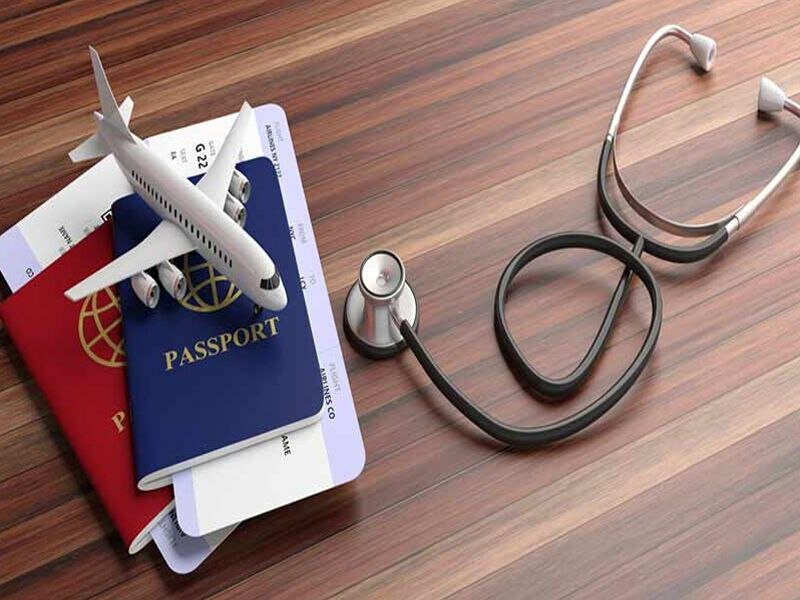
Tehran – The Ministry of Health promotes the treatment of foreign patients in the country in establishing coinsurance systems with neighboring countries and the establishment of organizations such as the Economic Cooperation Organization (ECO) and BRICS.
Although there are international and health tourism insurance, the acceptable insurance used by Iranian tourists is one of the main challenges of the health tourism sector.
He added that insurance issued domestically is not accepted overseas, and international insurance is not accepted by medical centres in Iran, as it is not directly cooperating with these organisations for sanctions.
“We are making it possible for patients to pay their health expenses using international cards or locally reliable insurance. Therefore, the issue of creating a coinsurance system with member states of neighbouring countries or organizations such as Shanghai Cooperation Organization (SCO), BRICS, ECO and others was raised at the ECO conference held at the ECO conference in Hadan.
Currently, Iran is pursuing the issue to help medical tourists cover health costs, but that would not be an easy task, he said.
Iran is planning to attract 2 million medical tourists over five years
In June, Iran’s tourism minister announced plans to set a goal of attracting 2 million medical tourists a year within the next five years, and to significantly improve the country’s medical tourism sector.
At a press conference, Seyyed Reza Salehi-Amiri highlighted the country’s “advanced healthcare infrastructure” and competitive treatment costs as key assets that make the country a strategic destination for medical travelers.
“With a well-equipped hospital and a network of specialized medical staff, Iran offers high quality medical services at affordable prices. These strengths place us in a strong position to become one of the region’s main destinations for health tourism,” the minister said.
According to Salehi-Amiri, the Islamic Republic welcomed 1.2 million healthy tourists last year, earning more than $2 billion in revenue.
Available data suggests that the majority of these travelers came from neighbouring countries such as Iraq, Afghanistan, Pakistan, Oman, Bahrain, Armenia and Tajikistan.
Furthermore, the minister emphasized that the plan is consistent with the broader goals outlined in Iran’s Seventh National Development Plan, and that the health and tourism industry is considered a pillar of the country’s economic and cultural diplomacy.
The Minister also acknowledged challenges such as policy fragmentation and lack of institutional adjustment, but noted that ongoing dialogue and structured interagency collaboration have helped address these issues.
Salehi-Amiri further highlighted the third International Health Tourism Conference and the exhibition of ECO members, scheduled to be held in Hadan from June 11th to 13th. He said the event highlights the growing role of Iran in promoting regional cooperation in the health and tourism sector.
“Hadan, with its rich historic and natural attractions, could become a major hub for health tourism,” he added.
Experts say Iran’s medical tourism sector is offering a scenario that is beneficial to both sides. Patients benefit from accessible and quality care, but the country has earned valuable foreign currency and has grown its international reputation.