
Tehran – In the past, the phrase “believe to see” was weighed down. Photos and videos were considered real evidence. But in today’s digital age, even our eyes can deceive us.
The rapid development of artificial intelligence, especially deepfark technology, images, videos, and even voices, can be created with convincingness that it becomes almost impossible to distinguish it from fiction. This technological change forces us to question not only what we see online, but how it affects trust, democracy and social stability.
Deepfakes are created using advanced AI models that allow you to learn to replicate human faces, voices and movements with incredible accuracy. At first, this technology seemed like an interesting and novelty. Social media platforms were flooded with humorous clips of celebrities singing songs they’ve never played, and humorous clips of actors appearing in roles they’ve never played. But beneath the humor there is a much darker reality. When deepfakes are weaponized, they can spread misinformation, damage reputation, and even affect political outcomes.
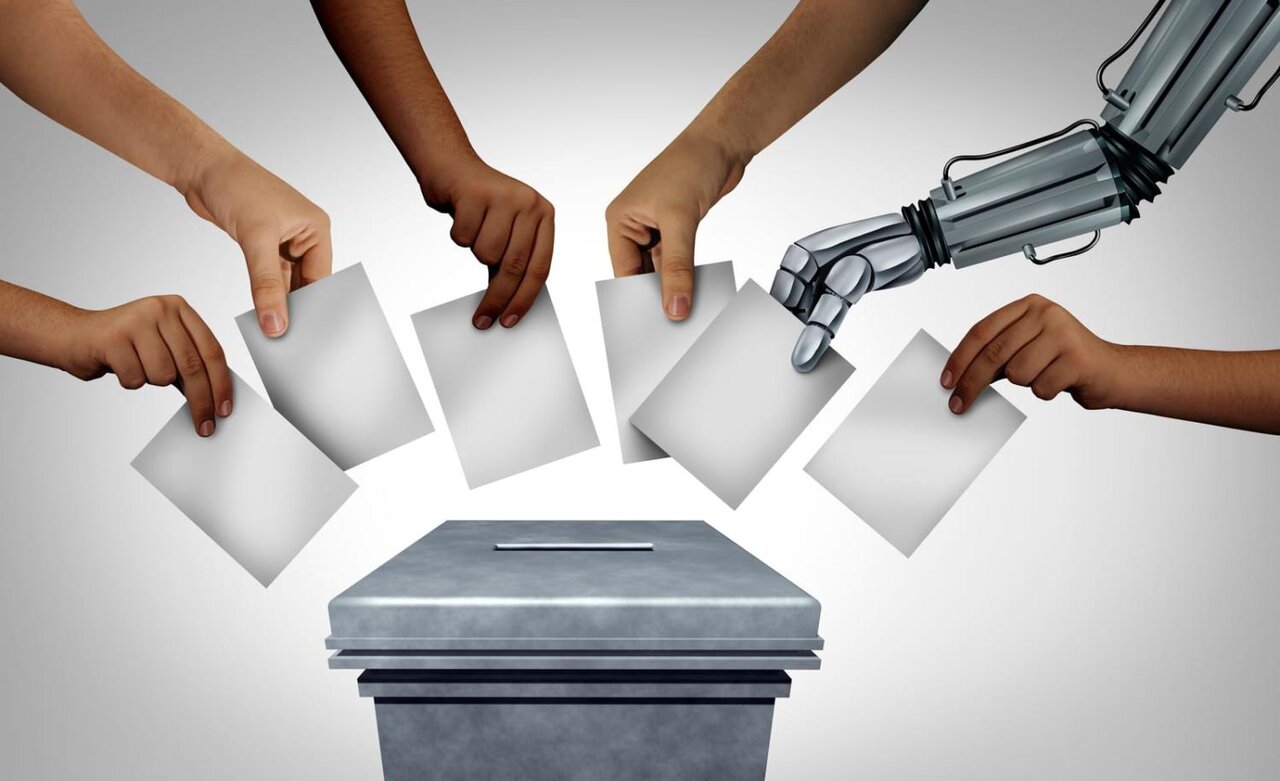
The dangers of deepfakes are most obvious in the political field. Imagine a video of world leaders announcing military actions in elections or admitting defeat in elections that are widely shared before fact checkers respond. In a polarized environment where misinformation is already spreading faster than the truth, such counterfeiting can cause panic, anxiety, and even conflict. The 2024 elections in some countries have already witnessed growing concerns about manipulated media, and stakes will rise as technology becomes cheaper and more accessible.
The problem goes beyond politics. Deepfakes can also be used to harass, fearful emails, or identity theft, which puts individuals at risk. A persuasive fake video can ruin a person’s reputation in a few minutes long before they have the opportunity to protect themselves. The challenges are growing even more for journalists and news outlets. When the reliability of all photos and videos is questioned, how do we maintain trust in the media as a source of truth? This erosion of trust is perhaps the most insidious result of deepfakes. It creates an atmosphere where people can dismiss inconvenient truths as “fake”, but malicious lies gain traction.
But like most technologies, deepfakes are not inherently evil. The same tools that can be misleading can also be used for creativity and progress. In filmmaking, Deepfake Technology reduces costs by enabling realistic effects without expensive re-shooting. Education can attract students to “revitalize” historical figures. In medicine, AI-driven facial reconstruction can help patients recover from trauma. These examples remind us that technology itself is neutral. That’s how you define its impact.
A multilayered approach is required to address the ethical and social risks of deepfakes. Technology companies are already developing detection tools to identify manipulated content. However, the race between Deepfake Creators and Detectors is constant, and in many cases, fakes spread faster than the truth. Legal frameworks are beginning to evolve, but laws struggle to meet the speed of innovation. Most importantly, digital literacy for the public is important. Citizens must learn to question what is seen online, to review information from multiple sources, and to resist the urge to share sensational content without scrutiny.
The deepfake discussion at the heart of its core is about trust, not just technology. In a democratic society, trust is the glue that brings together institutions and gains trust in elections, journalism, leaders and one another.
If that trust collapses under the weight of fake reality, the consequences can be severe. At the same time, dismissing deepfakes as purely destructive ignores the opportunities they offer to art, education and innovation.
We are now at a crossroads. Deepfakes become another weapon in the arsenal of disinformation, or learn to adapt, create parents and develop resilience. The future relies not only on new technologies to detect fakes, but also on the collective ability to maintain critical, thoughtful and responsible consumers of information. In an age where we are no longer believed, perhaps the real challenge is to build a new form of trust that is deeper than images and videos.