
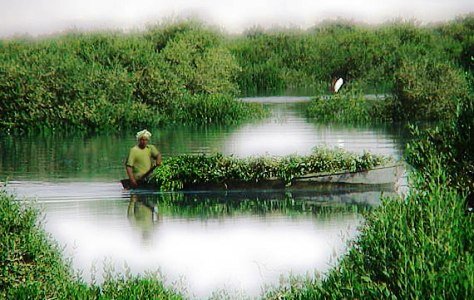
Tehran-Deputy Tourism Minister Anusilvan Mohseni Bandopei highlighted the growth of Iranian rural tourism aimed at empowering local communities and turning back migration to villages.
At a media conference with the Minister of Cultural Heritage, Tourism and Handicrafts held at Fazil Hall on Tuesday, the minister said the slogan for this year’s Tourism Week is “empowering the community.” This concept is one of the key principles for achieving sustainable tourism, he added.
He also said that the first 140 trillion rial ($140 million) has been allocated to support the rural employment and the handicraft sector, which is seen as an important step towards promoting the rural economy and creating sustainable jobs.
Moseni Bandopey added that the creativity of rural youths can drive village tourism development and ultimately pave the way for a return to a reverse migration trend.
The Deputy Minister has announced applications for registration with the World Tourism Organisation for three villages: Soheiri (Hormozgan Province), Kandelous (Mazandaran), and Shafiabad (Kerman).
Mohseni Bandopei also announced an active exchange between Iran and UNWTO, saying, “Information on villages nominated for world registration under the Iranian Model Tourism Villages project has been uploaded to the organization’s system. This measure is an effective step in introducing Iran’s rural tourism capabilities internationally and strengthening the country’s tourism brand.”
“In the past, we had neglected information about the village to the World Tourism Organization. This year, we said, ‘Check it out. I’ll provide you with anything you want.'” We introduced eight villages. Three villages were selected as tourist model villages this year, a result of the 14th government. The village registration ceremony will be held in China and we will also be taking part online. ”
Moseni Bandopei continued that one of the ministry’s main goals is to identify and scientifically introduce tourism potential in all states in the country. He added that Iranian provinces have their own cultural, natural and historical benefits, and efforts are being made to systematically introduce and harness these possibilities.
Noting that 400 local events were held during tourism week, he said that in addition to strengthening social vitality, these programs have led to better introductions of local potential and economic prosperity in various parts of the country.
He pointed out the global importance of responsible tourism and environmental protection, saying, “This year, the World Tourism Organization has emphasized ‘the global protection’ and in this regard, a plan has been implemented to award green labels to eco-friendly hotels across the country. So far, several hotels have successfully acquired the label, he added.
Regarding Iran’s international exchange in the tourism sector, he said, “Iraq is one of the most important target countries in attracting foreign tourists. At present, we are negotiating with Iraqi authorities to ensure that tourists from this country are not limited to pilgrimage destinations, and that visits to Iran’s cultural, history and natural attractions will also be included in the plan.”
He finally emphasized that tourism development is not limited to infrastructure development, but rather a cultural, social and economic process, and must be pursued by relying on local knowledge, public participation and environmental protection. He added that the Ministry of Cultural Heritage’s mission in a new era is to move forward with sustainable and popular world-class tourism.
KD