
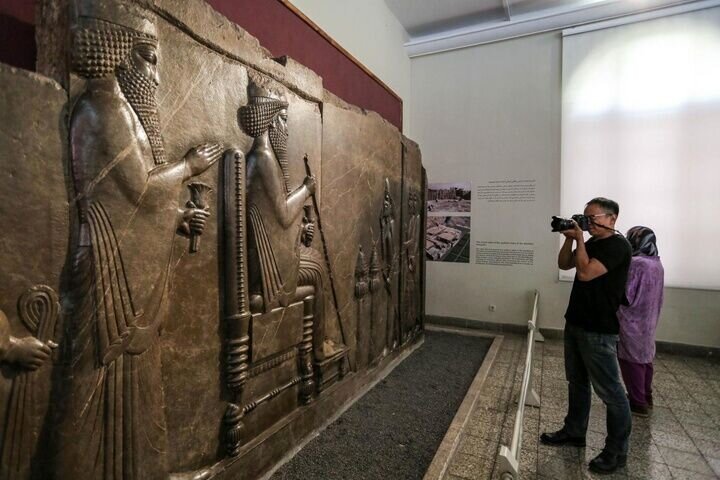
TEHRAN – Weeks after halting in a 12-day Israeli-imposed war with Iran, Deputy Minister of Cultural Heritage Ali Dharabi announced the development of a three-stage plan for the safe and progressive reopening of museums and historic sites.
According to the IRNA, he also said the roadmap was designed using the 1954 Hague Convention, which aims to protect cultural assets such as cultural crisis management learning and global documents, particularly architecture, art, history, archaeological sites, artworks and manuscripts. The concentration, he added, is recreating the social role of organizations in protecting the country’s identity assets and maintaining cultural heritage.
He explained that the plan will be implemented in three phases. First, a limited professional base reopening (for a month): This stage will take place in low-risk states with approval from the state’s supply council, with visits being made proportional to the site’s capabilities and resilience.
Priorities are found in sites that do not have museums and are in open spaces, as well as archaeological sites such as Naqsh-e Jahan Square, Taq-e Bostan, Bisotun, Iranian gardens, historic mosques and Bamsitadel.
Darabi explained that the second phase, including the expansion of phased reopening, will be put into practice one month after the implementation of the first phase. At this stage, other museums and stations will gradually resume with observation of their obligation to protect themselves, he added.
According to him, the third stage involves a return to the normal pattern of full reopening and museum exploitation.
At this stage, he said that upon receiving the final report from the security organisation on the stability of conditions, the museums and stations will be fully reopened, and sideline services such as stores, cafe museums and collaboration will resume.
At the end of this phase, reports on the performance of the Crisis Task Force, documentation of lessons and assessments of the protection checklist will be featured on the agenda, he added.
Darabi emphasized that the progressive and safe reopening of national museums and historical stations is a measure of returning to stable cultural conditions, a smart pattern for managing the cultural heritage sector in high-risk conditions.
KD