
TEHRAN – Despite the recent Gaza ceasefire, the situation for Palestinian journalists remains dire. Newsrooms are in ruins, dozens of reporters have been evacuated or detained, and international media access remains completely blocked by Israel.
According to the Committee to Protect Journalists (CPJ), 2024 was the deadliest year on record for journalists, with nearly 70% of all journalists around the world targeted and killed by Israel in the Gaza Strip. But even amidst the devastation, local reporters persevere, documenting the destruction of their communities in the face of constant danger, hunger, and trauma.
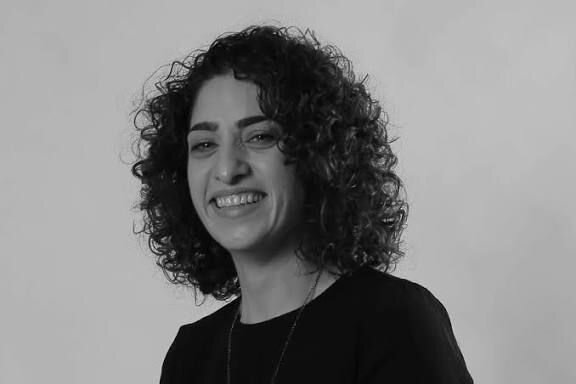
In an exclusive interview with Tehran Times, CPJ’s Middle East and North Africa Regional Director Sara Kuda spoke about the harsh realities facing journalists in the Gaza Strip, CPJ’s continued legal push to end Israel’s ban on independent media, and the organization’s broader mission to ensure justice and accountability for the hundreds of journalists killed, injured or silenced in combat zones across the region.
The text of the interview is below.
Do you think the recent ceasefire in Gaza has improved the safety and working conditions of Palestinian journalists there?
Although the ceasefire has halted open hostilities, there is little evidence that the safety or working conditions of Palestinian journalists have meaningfully improved. Unfortunately, even though the ceasefire has been in place for about a week, many areas remain completely destroyed and inaccessible.
For example, cities like Rafah and Beit Hanoun have been virtually wiped off the map, and journalists in these areas remain displaced or in dire need of housing.
Seven Palestinian journalists were released from Israeli prisons as part of the ceasefire agreement, but the broader situation on the ground remains unchanged. Israel continues to ban access to international media, and no new permits or lawsuits have been granted since the ceasefire.
On October 5, 2025, the Committee to Protect Journalists (CPJ) filed amicus briefs in support of the Foreign Press Association’s petition to the Israeli Supreme Court, demanding that Israel immediately allow independent and unrestricted media access to Gaza.
CPJ specifically called on Israel to end its blanket ban on independent media access to Gaza, arguing that it is illegal even in times of war and violates Article 19 of the International Covenant on Civil and Political Rights.
Moreover, journalists face serious threats from various sides. Days after the ceasefire, journalist Saleh al-Jafarawi was reportedly shot dead by members of a Palestinian armed group in Gaza City. His death highlights the continuing risks for journalists even if there is a pause in active hostilities.
Based on CPJ data, Israel has killed 237 journalists and media workers, broken down as follows:
197 were Palestinians in Gaza.
31 Yemenis in Yemen
6 Lebanese in Lebanon
There are three Iranians in Iran.
2024 will be the worst year for journalists in CPJ history. Approximately 70% were killed by Israel.
To date, no investigation or trial has begun to hold those responsible for the journalist’s murder accountable. This continued impunity only adds to the atmosphere of danger and fear in which journalists operate.
In some cases, state institutions have slandered journalists after their deaths, claiming they were affiliated with extremist or armed groups without providing any credible evidence. Beyond documenting victims, how does CPJ see its role in ensuring justice and accountability for journalists killed during war?
CPJ believes its role goes far beyond documenting murdered, imprisoned, and injured journalists. For CPJ, documentation is just the beginning of a broader effort to ensure justice, protect press freedom, and ensure accountability for those responsible for harming or killing journalists.
CPJ actively challenges policies and actions that enable impunity. For example, in October 2025, CPJ filed an amicus brief with the Israeli Supreme Court in support of a legal petition asking the Israeli government to lift a 741-day ban on international media access to Gaza.
The legal action marks CPJ’s move from advocacy to direct legal intervention, arguing that denying access to independent media not only violates international law but also impedes accountability efforts.
CPJ also acts as a global press freedom watchdog, upholding the protection of journalists and constantly pressuring governments and international organizations to properly investigate the killings of journalists.
We frequently call on all stakeholders – state and non-state actors alike – to ensure that journalists are not targeted and that the killings of media workers go unpunished. When journalists are murdered, CPJ demands a credible and independent investigation, not silence or impunity.
Additionally, CPJ supports local journalists by providing emergency funds, safety equipment, digital security tools, and psychological support. This direct assistance is critical to ensuring that journalists can continue to work and document events after attacks on their communities, newsrooms, and families.
The tenacity of journalists in the face of unimaginable hardship reflects both deep courage and a deep sense of responsibility.
What are the main challenges that CPJ encounters when investigating the killing of journalists in active war zones, especially in highly restricted areas like Gaza?
Investigating the murders of journalists in war zones like Gaza is extremely difficult, and CPJ faces numerous challenges that make its work risky and complex.
One of the most pressing obstacles is access, or lack thereof. In Gaza, Israel has maintained a strict ban on access to international media for more than two years.
This ban has not been lifted during the ceasefire period. Without the ability to independently enter the area, CPJ and other watchdog agencies have struggled to verify incidents on the ground.
We collect evidence directly from witnesses and journalists on the scene, but often internet blockades make interacting with sources on the ground difficult and more time-consuming.
Internet blackouts and blackouts further isolate journalists, cutting off communication with the outside world and slowing the transfer of data and testimonies.
CPJ also faces institutional obstacles. In many cases, authorities, including the military, have refused to release relevant information about the attacks.
There is no public inquiry or reliable military investigation. In some cases, state actors have attempted to smear journalists after their deaths by claiming they were affiliated with extremist or armed groups, without providing any reliable evidence.
CPJ must then carefully investigate and disprove these claims, which often has limited access.
Finally, CPJ operates under strict verification standards. Do not publicly attribute a journalist’s death to a specific person unless the facts are clear and confirmed by multiple sources. In a volatile and restrictive environment like Gaza, meeting these standards can take time and effort, and justice may be delayed.
The resilience of journalists in Gaza is both heartbreaking and deeply moving.
Many media outlets in Gaza have been destroyed or have become dysfunctional. How did this affect the ability of Palestinians to tell their stories and document the war independently?
The destruction of Gaza’s media outlets had a devastating impact on the ability of Palestinian journalists to tell their own stories and document the war as first-hand witnesses.
The local media infrastructure was largely dismantled, with newsrooms bombed, equipment destroyed, and journalists expelled or killed. This has silenced not only local audiences, but many voices that are essential for the world to understand what is happening inside Gaza.
Local journalists play a unique and irreplaceable role. They have deep ties to the community, cultural knowledge, language fluency, and physical access that foreign journalists often lack, even if they are allowed to enter the country.
If Palestinian newsrooms are destroyed, it will be nearly impossible to sustain this kind of down-to-earth, contextual, community-based journalism.
The destruction forced many Palestinian journalists into survival mode. Instead of reporting full time, they are now struggling to find shelter, electricity and food.
Some have had to stop working entirely due to trauma, injury, or complete loss of equipment and equipment. As CPJ has documented, some are now operating in tents, others starving, and most under constant threat of death.
Finally, as someone directly involved in documenting these tragedies, what do you personally make of the resilience of Palestinian journalists to continue reporting despite the immense risks?
The resilience of Palestinian journalists in Gaza is nothing short of extraordinary. Many continue to report despite facing death, displacement, trauma, and loss. Not because it’s safe, but because it’s necessary.
Their tenacity in the face of unimaginable hardship reflects both deep courage and a deep sense of responsibility.
For many of these journalists, reporting is not just a job, but also a form of survival, resistance, and testimony. They understand that if they don’t tell their stories, they may never be told. They see their role not just as journalists, but as the last line of truth between their people and the world.
CPJ shared stories of reporters who continued to deploy even after losing their homes, carrying equipment through the rubble and conducting interviews while grieving families. Some went hungry, slept in tents, and worked without safety equipment or secure internet. But they keep going, because the truth is too important to leave behind.
This resilience is both heartbreaking and deeply moving. It reminds us of journalism’s essential role in documenting human suffering, injustice, and resistance. And it also highlights the urgency of protecting those who risk everything to bring us the truth.
Their courage demands not only our respect, but also our action. It is not enough to praise their resilience. The international community must ensure that these journalists are protected, supported and heard.