
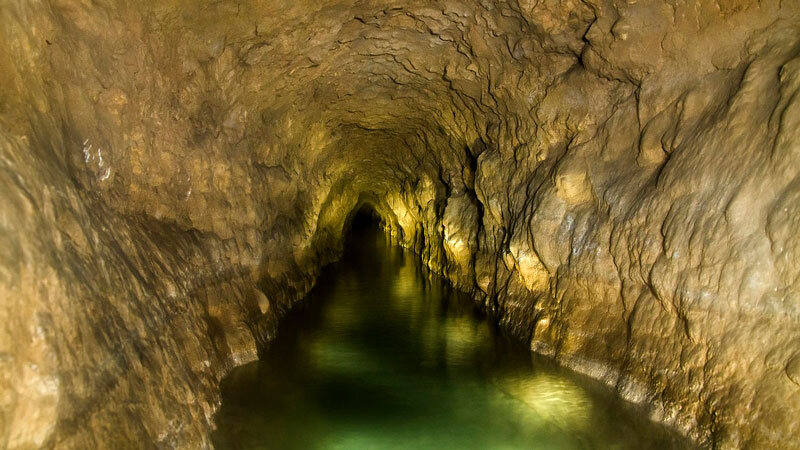
Hamdireza Mahmoudi, world director of Kazabekanat in Gonabad, said he was not affected by the droughts in Tehran-Kazabekanat (ancient groundwater network) and Gonabad, Korasan Razabi province.
Pointing to Kanat’s 2,500-year-old history and depths of over 330 meters from its source, he also said that recent drging has increased the water flow rate from 130 liters per second to 151.
Qasabeh Qanat, he noted, is one of the world’s most incredible water structures and a legacy that helped to boost life and prosperity in the heart of the desert.
The canut, which is a well over 330 meters deep, is a masterpiece of traditional engineering by the Iranians, he said. He added that it plays an important role in supplying water to urban and rural life in the region.
Regarding the construction measures taken for the preservation of Qanat, he said that Qasabeh Qanat is known as the leader of UNESCO’s global registration file for Iranian Aqueducts.
“Trends of Global Registration launched in 2014. We created two entrances for Qanat. In fact, these entrances were routes created in the 1990s by the agricultural jihad sector to unblock aqueducts with mechanical equipment.
He added that the world location of Kazabekanat in Gonabad covered the stairs and carried out reinforcement work on the route between the 1 and 2,400 metres of entrances in the basement. This section of the previously abandoned route was prepared for a visit to UNESCO evaluators, he said. “Other measures include the installation of road induction signs on access routes to the city of Gonabad. Public toilets have also been installed on the site itself, temporary parking has been created and electrical infrastructure was provided.”
Mahmoudi continued that, given the large size of the site, its area is 310 square kilometers, and the predicted area for tourism services is about 200 hectares. “The Qasabeh Qanat consists of two main branches with a total length of 33 km. Due to the size of the project, tourism services are currently being implemented within the 200 hectares of the site.”
He continued: “In this area, temporary parking lots, electrical infrastructure and shelter will be installed and passing through garden alleys on roads leading to hill areas. Repair work has been carried out in structures related to Kanat.
Mahmoudi mentioned the implementation of the Qasabeh Qanat Tourism Route Plan, saying: “In recent years, the site has prepared plans for a 2.7-kilometer tourist route that should be ready for operation in the future.
He said that most important recent measures include the acquisition of 12.7 hectares of land in the Tourism Planning Section, “a contract has been signed with the University of Tehran to prepare a comprehensive tourism plan. Scheduled.”
Mahmoudi continued. “As for the other Qanats in Gonabad County, all registered nationally are under our direct supervision. We also have close cooperation with the Gonabad Water Department. But many of the canuts in the county are depleted. Consider preventing the aqueduct from drying out.”
KD